16 November 2026

A coaching inn was more than a place to sleep. Traditional coaching inn accommodation brought together overnight rooms, food and drink, and facilities where stagecoaches could change horses, although stabling is not a feature of every inn today.
That combination gives coaching inns their distinctive character: historic details and a sense of the journeys they once served, alongside the comforts guests need today. Heritage does not always mean every modern convenience is available, so it helps to consider both the building’s character and its practical facilities.
This guide explains the traditional features of coaching inns, how lodging, dining and stabling worked together, and what comforts you may find in historic accommodation. It will help you understand what sets an inn apart from an ordinary overnight stop and which details to consider when choosing a characterful, comfortable stay.
Traditional coaching inn accommodation combines characterful buildings with the practical needs of an overnight stay. Unlike a modern hotel with standardised layouts, an old inn may have an irregular floor plan shaped by centuries of alterations. A bed and breakfast may provide a room and breakfast, while a coaching inn historically combined lodging, food and drink with facilities for horses and coaches. Today, the experience depends on the building and the facilities it offers.
Historic inns range from medieval foundations to buildings altered in the Victorian period. Some surviving English inns date from the 14th century. The Oxford Arms was photographed in 1875 by the Society for Photographing Relics of Old London, when demolition threatened it. Such photographs preserve details of buildings that later disappeared. Charles Dickens also captured coaching-inn life in The Pickwick Papers, published in parts between 1836 and 1837.
Check-in times, cancellation terms and pet policies vary between inns. Before booking, read the room’s terms for arrival arrangements, changes or cancellations, and whether pets are welcome. Choose your dates and room through the inn’s reservation channel, then review the terms before completing your booking.
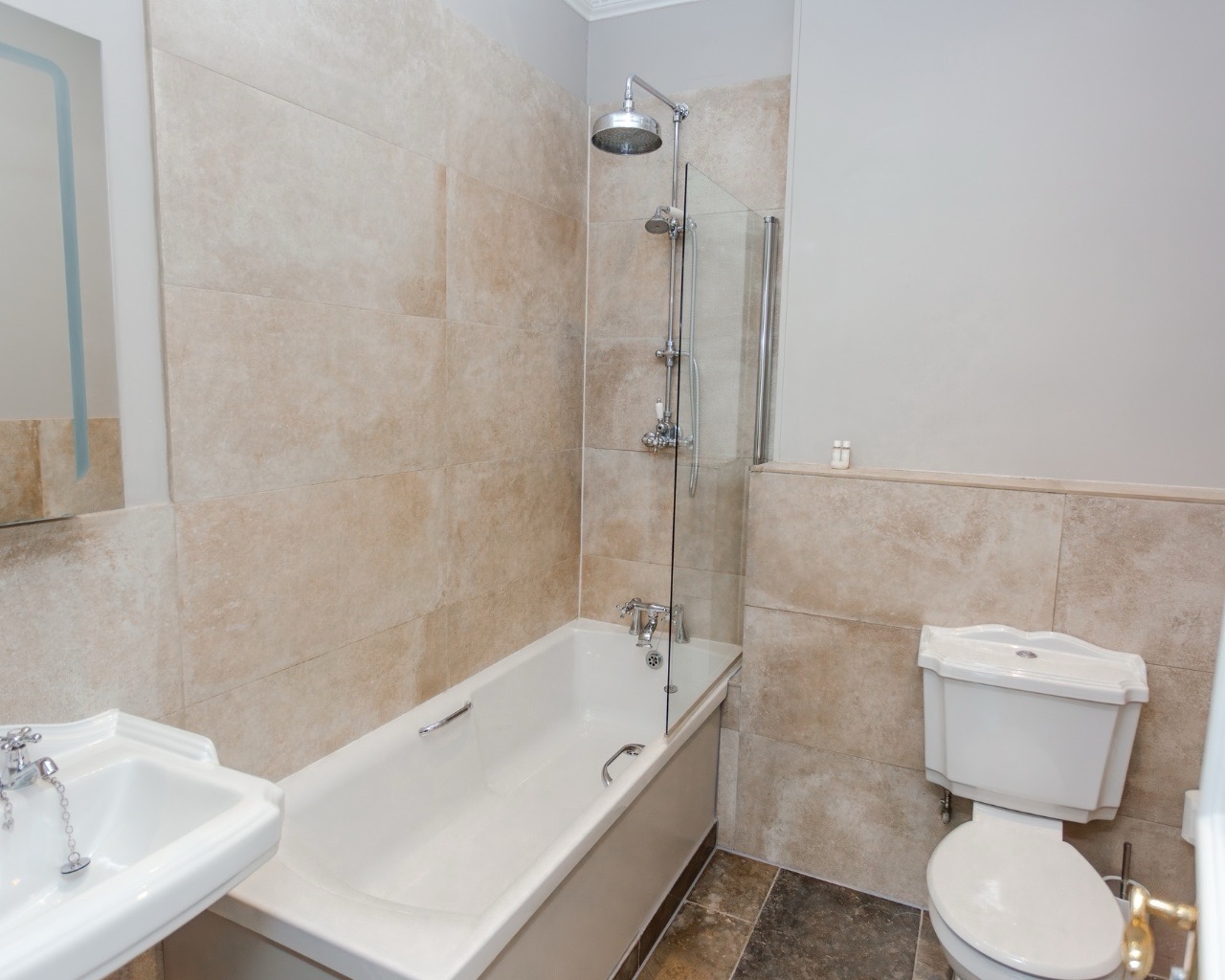
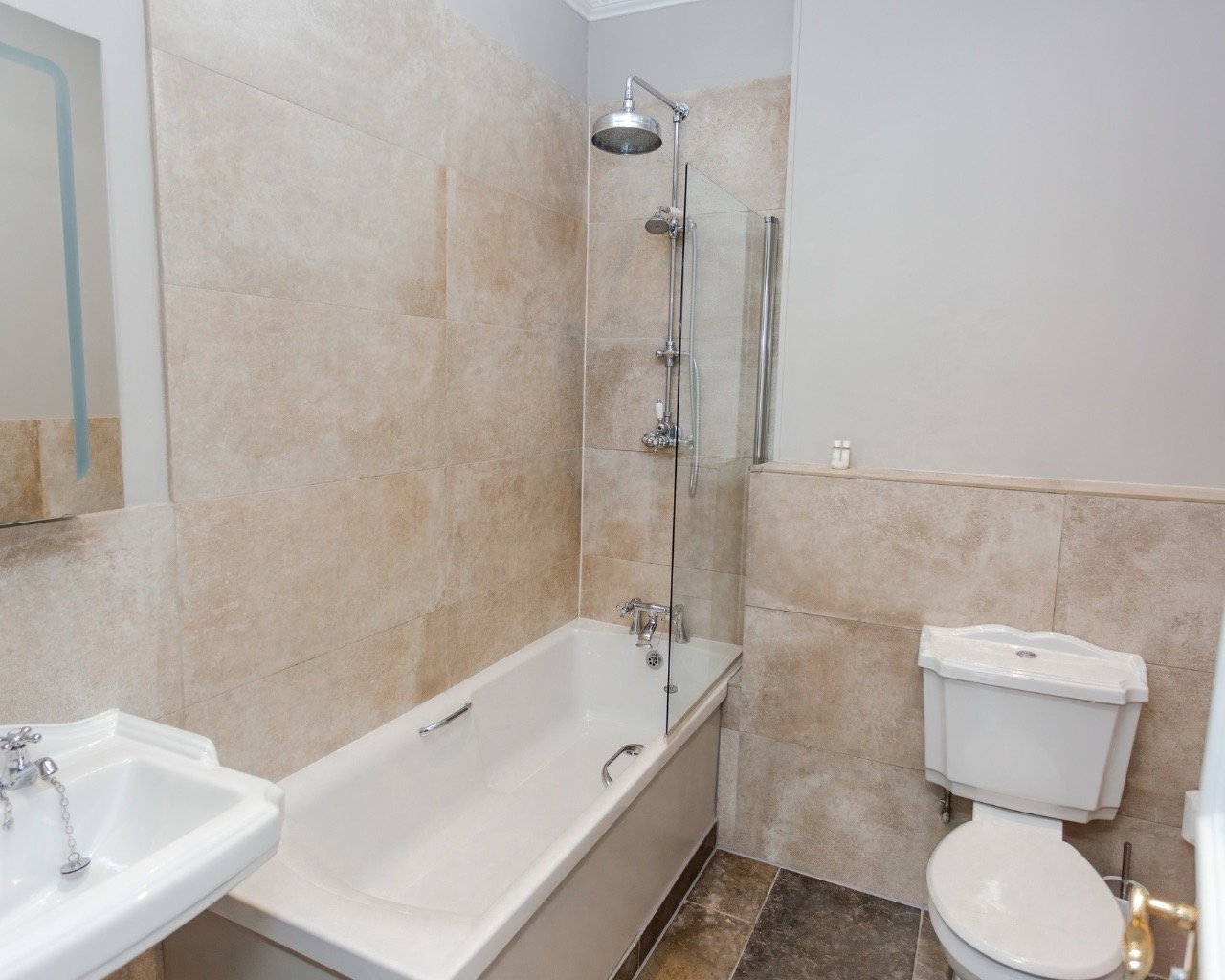
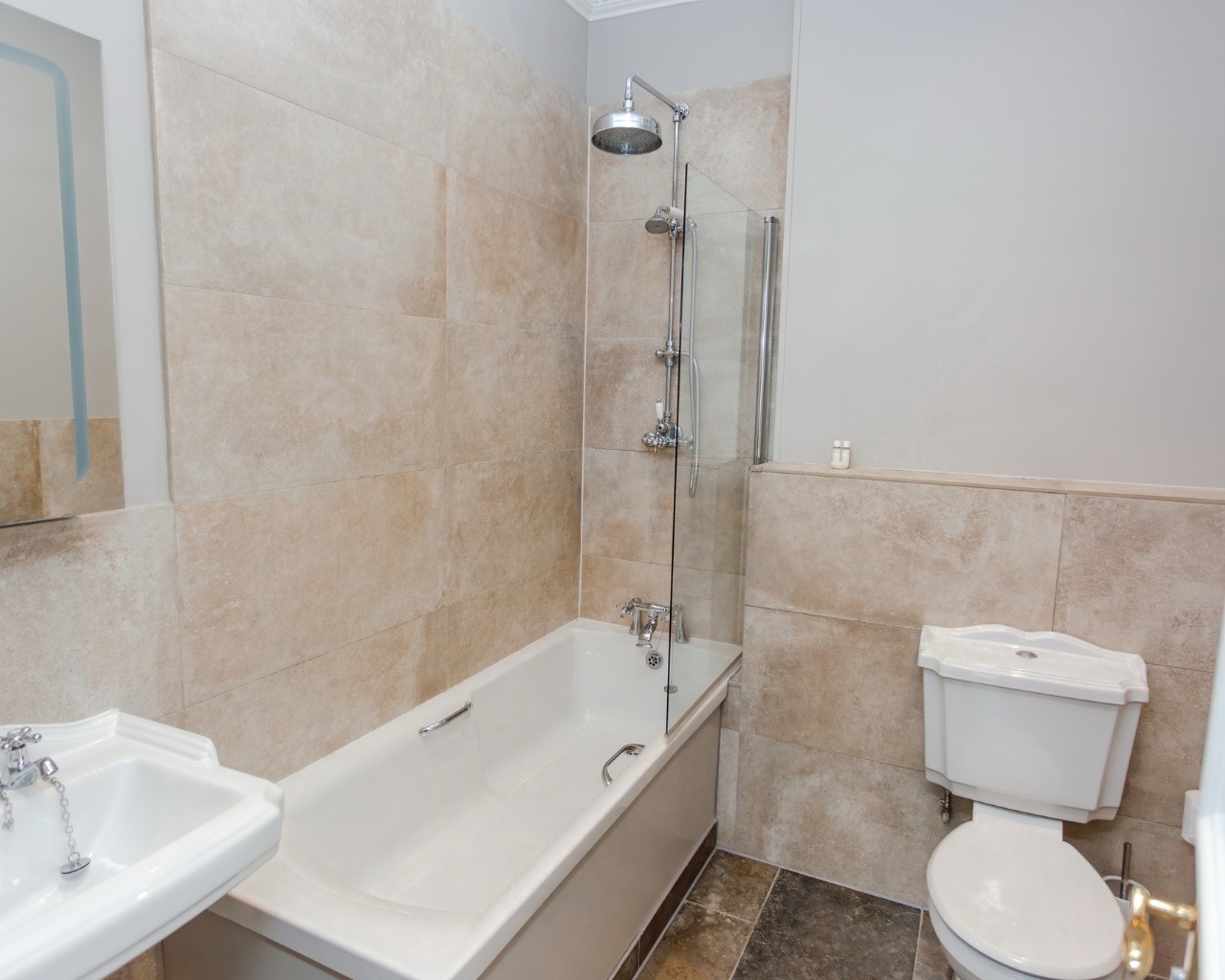
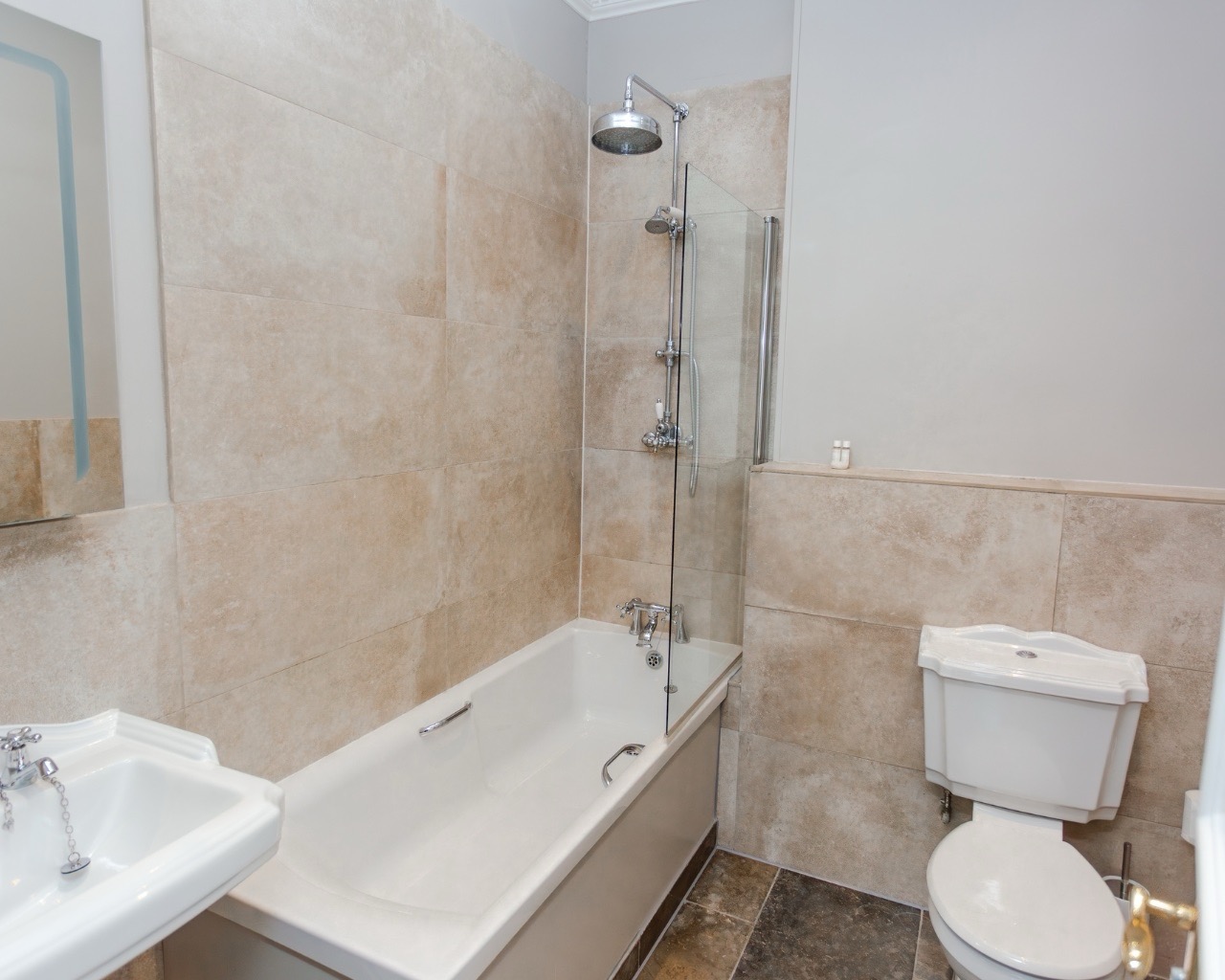
Families and guests with accessibility needs should consider a building’s layout as well as its atmosphere. Historic inns may not have a lift, and a bathroom may be on a different floor from the bedroom. Room access, stairs and bathroom location can affect whether a stay suits your needs, so look for these details in the accommodation information.
Before booking, compare the room description with your practical requirements. Check the bathroom arrangement, access between floors, arrival instructions, cancellation terms and pet rules. If you need step-free access, look for clear information about access rather than assuming a historic hotel has a modern layout. These details can help you choose a room suited to your stay.
Traditional coaching inns served travellers and horses together. Guests could eat, drink and stay overnight while stagecoaches changed horses, making the inn a practical pause on a journey. Accommodation included beds for overnight visitors and working spaces for coach teams. Lodging, food and stabling formed part of the same travel stop.
The Saracen’s Head illustrates how substantial this arrangement could be. In 1522, it was recorded as having 30 beds and stalls for four horses. The beds gave travellers somewhere to rest, while the stalls accommodated horses between stages. That example offers a clear picture of how lodging and horse care sat side by side within one busy establishment.
A courtyard helped organise the movement of coaches, horses and people. Coaches could enter the inn’s yard, where horses were unharnessed and fresh teams brought forward. Travellers could then leave the yard for food or a bed. Stables and service areas supported the changeover, linking the road-facing entrance with the inn’s working spaces. This layout served both travellers staying overnight and coaches changing horses.
Horse changing meant replacing a tired team with fresh horses, while stabling provided shelter between journeys. Across Britain, coaching inns provided overnight stops or places where stagecoaches changed horses. The Angel’s stables show how these buildings could later take on other uses: they were sold in 1883 for adaptation to house horses belonging to a street tramway company. An inn’s former stables therefore tell part of the story of changing travel, even where they no longer serve coaches. Together, beds, yards and stalls explain why coaching inns were more than places to sleep: they supported the people and animals that kept journeys moving.
This combination made the coaching inn a shared pause in a journey: stagecoaches could change horses while travellers ate, drank or stayed overnight. Refreshments and accommodation went hand in hand with the practical need to change horses. The inn’s role extended beyond providing a bed, supporting stagecoach travel while giving travellers a place to pause.
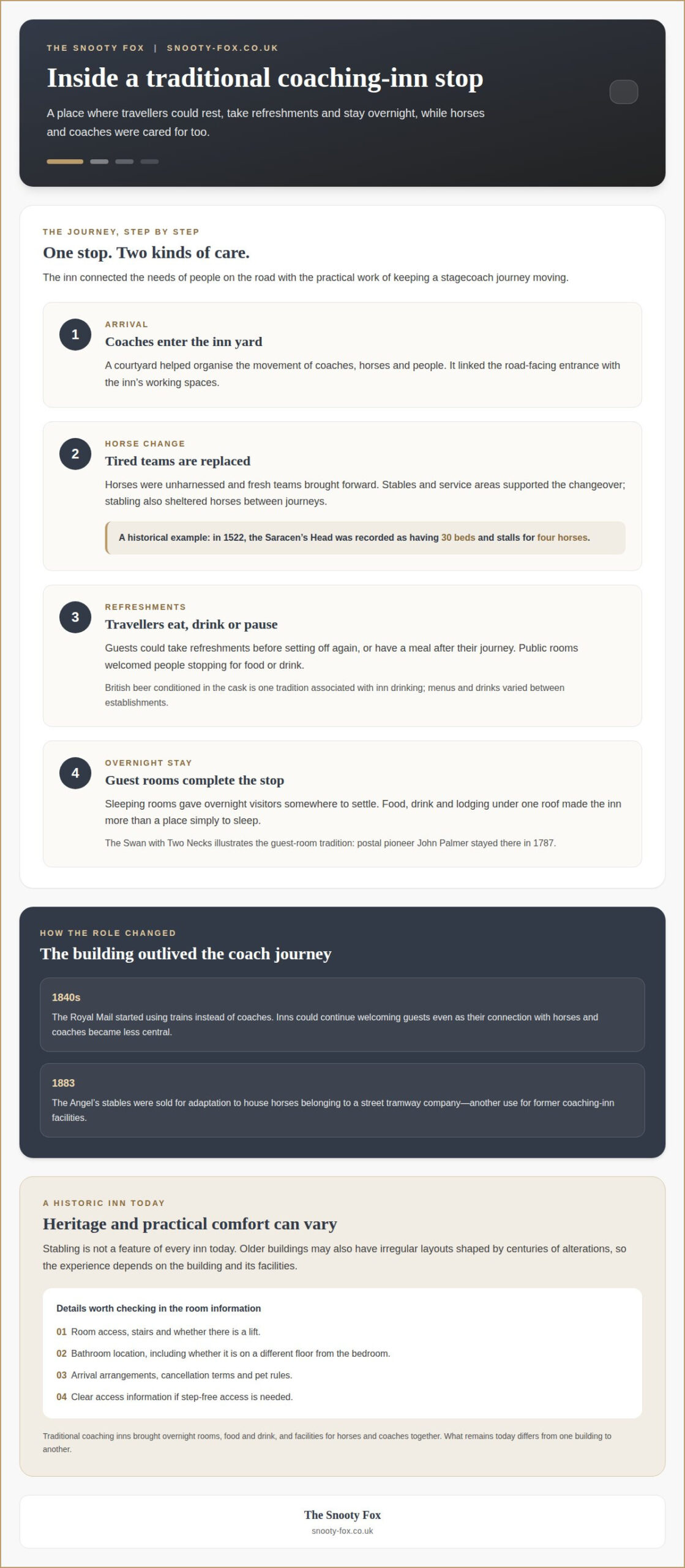
A coaching inn brought food, drink and a bed together for travellers making a road journey. The Swan with Two Necks illustrates the guest-room tradition: postal pioneer John Palmer stayed there in 1787. An overnight stop could offer somewhere to rest after travel, while a shorter pause gave guests a chance to take refreshments before setting off again. The inn served visitors with different needs under one roof.
Food and drink were practical parts of an inn’s role, not simply extras alongside its bedrooms. A traveller arriving after a stagecoach journey could eat before retiring, while another might stop briefly for refreshments before continuing. British beer conditioned in the cask is one tradition associated with inn drinking. Menus and drinks varied between establishments, shaped by local tastes and each inn’s own offering. The enduring idea was simple: hospitality brought refreshments and lodging together.
Public rooms and guest rooms gave visitors different places to spend their time. Public rooms welcomed people stopping for a meal or drink, while sleeping rooms gave overnight guests somewhere to settle. Buildings could be adapted over time, but food, drink and lodging remained central to the coaching-inn idea. For travellers, a stop could feel like a complete stay rather than just a pause on the road.
Railway travel changed how people moved between towns, and inns adapted as transport patterns shifted. The Royal Mail started using trains instead of coaches in the 1840s, marking a change for coach travel. An inn’s bedrooms and dining spaces could still welcome guests, even as its original connection with horses and coaches became less central. That layered history adds character to an inn’s rooms: each meal or overnight stay takes place within buildings shaped by changing travel and local life.
The clearest clue to a coaching inn is how its layout served travel. Inns were traditionally spaced seven miles apart, although terrain affected the distance. That spacing gave stagecoaches places to stop along a route, while a town’s main street connected the inn with local life. Some English towns had as many as ten coaching inns, reflecting the importance of coach travel before railways transformed journeys.
Look for a building arranged around practical movement, not just decorative age. A courtyard could accommodate arriving coaches and give access to working areas, whilst guest rooms and public rooms served travellers on different schedules. Stagecoaches were travelling to and from London from at least 1640. The layout helped manage arrivals, refreshment and overnight stays under one roof, rather than treating each as a separate service.
Galleries offer another striking historic feature. A galleried inn had open walkways overlooking its courtyard, giving access to rooms above the ground floor. Only one galleried coaching inn from those described survives in London today. The George Inn in Southwark preserves this recognisable arrangement; the National Trust took ownership in 1937. Its galleries help visitors see how circulation and accommodation were designed around a shared central space.
Transport history also explains why features vary between inns. London Bridge was the only river crossing until 1750, shaping routes through the capital. As roads, railways and towns changed, buildings were adapted, so an old inn may retain only some elements of its coaching past. Read its layout as a record: courtyard, galleries, street position and surviving service spaces each offer clues. If a characterful room is your next stop, explore the available rooms.
Most of the Scottish inns featured by Scottish Inns were once drovers’ inns. This is a reminder that an inn’s past may be tied to a different kind of travel from the coaching routes described here. When considering a building, look at its surviving layout alongside the possibility of earlier uses. A courtyard, rooms and service spaces may offer clues, but the layout alone cannot tell the whole story.
This distinction matters when comparing inns: similar features can belong to different histories. Read the building carefully rather than assuming every old inn followed the same pattern.
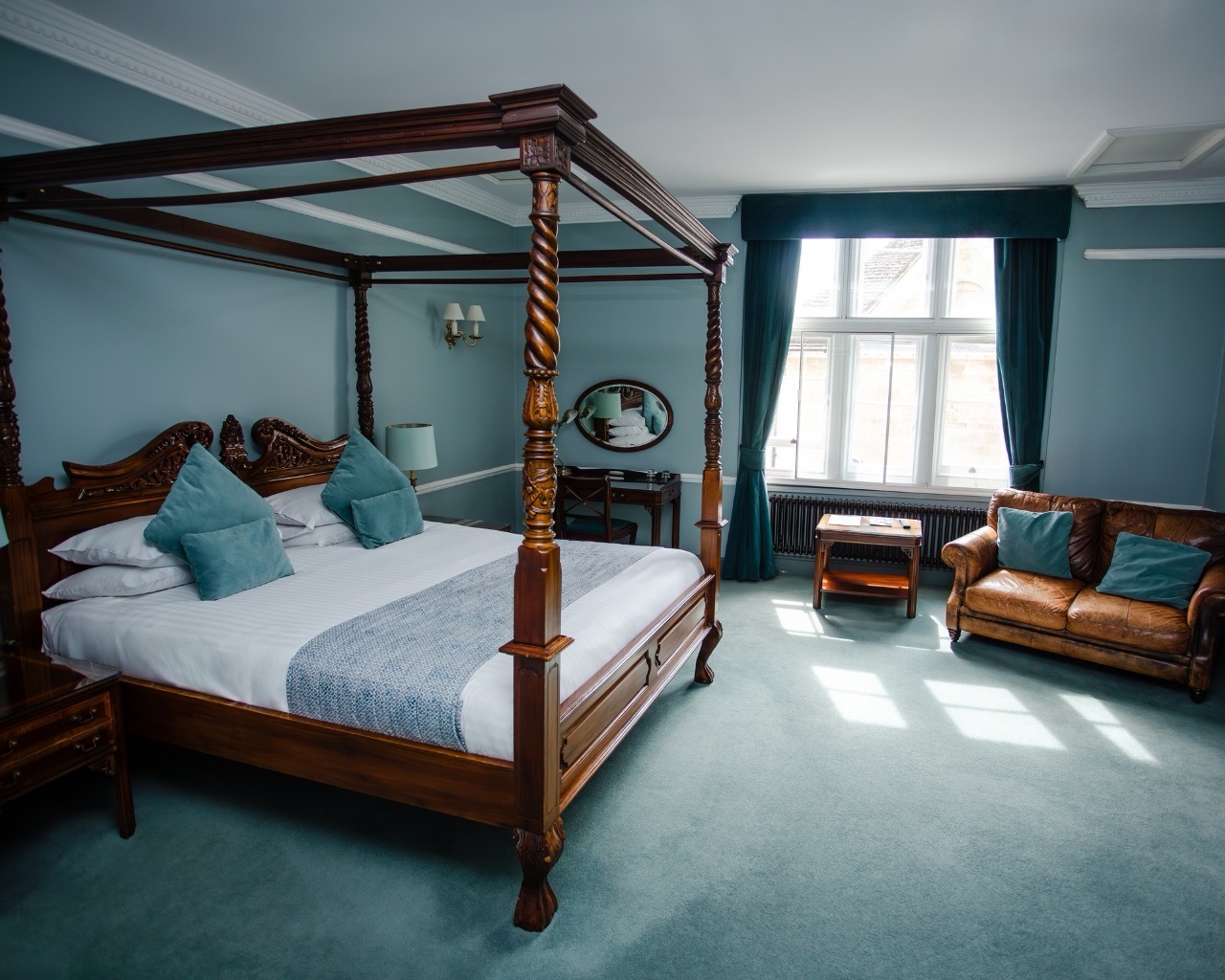
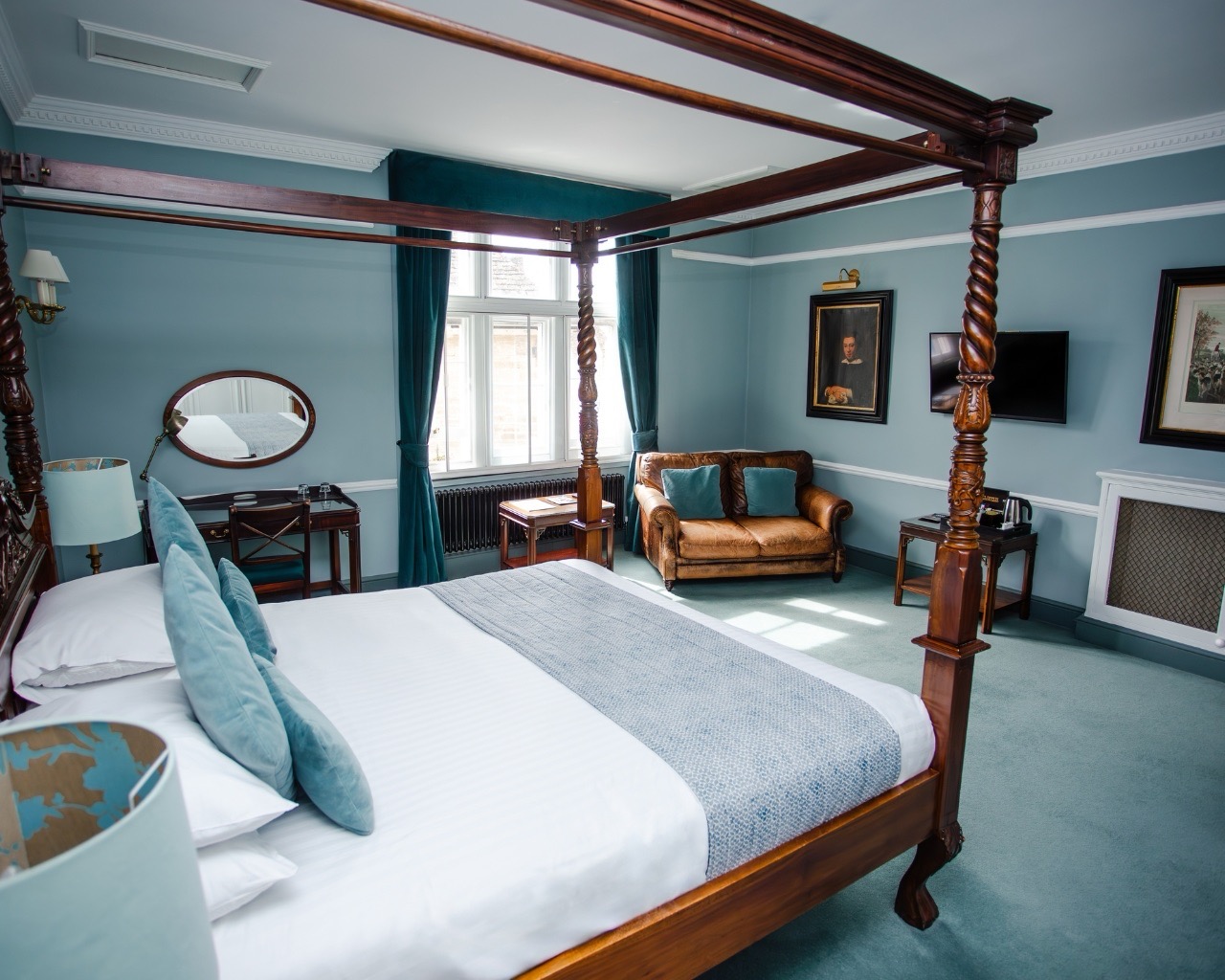
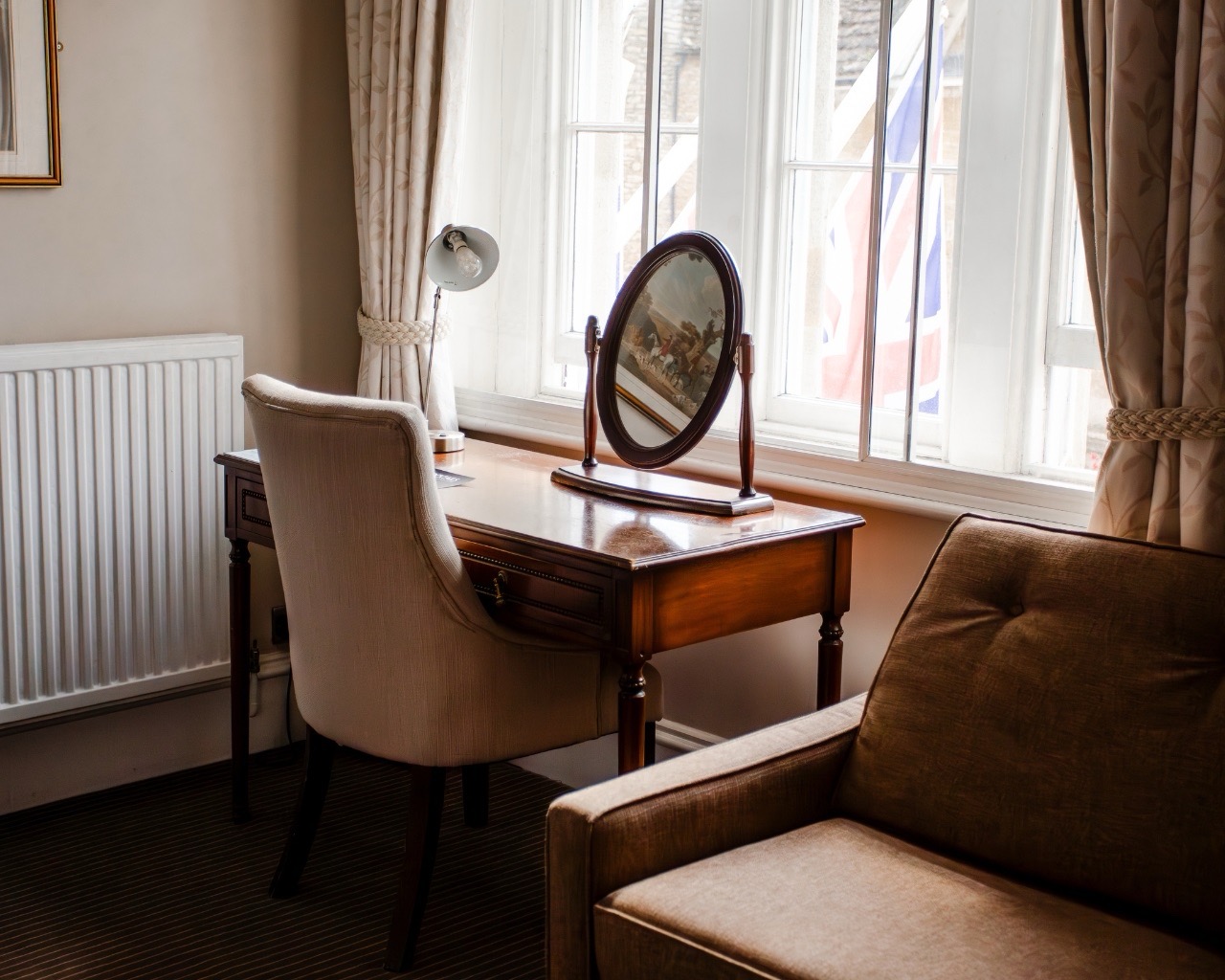
As a quintessential example of traditional coaching inn accommodation, The Snooty Fox offers a welcoming place to stay filled with historic character. While historic coaching inns vary in their surviving features, choosing a room today is about finding a comfortable fit for your visit and the kind of stay you have in mind.
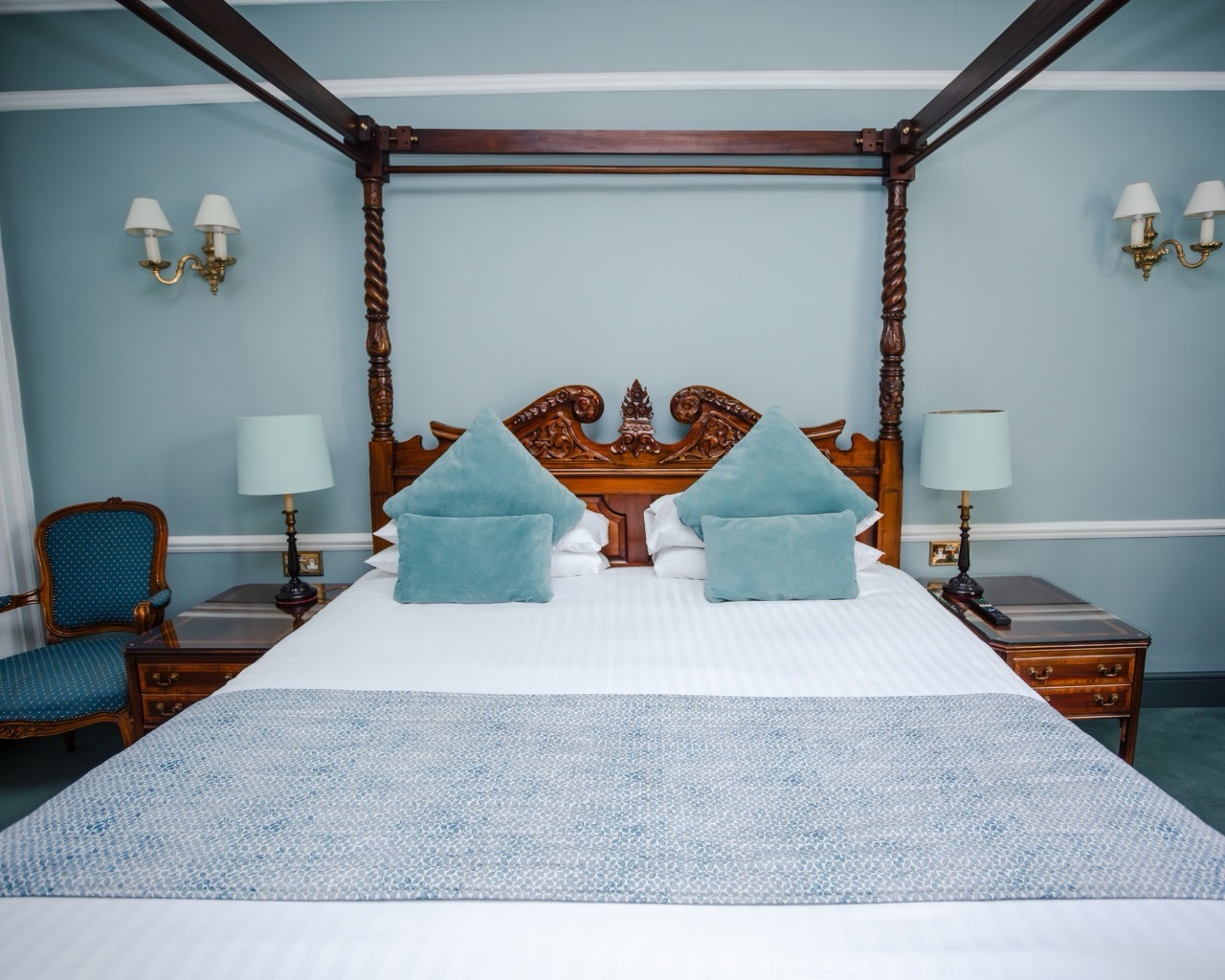
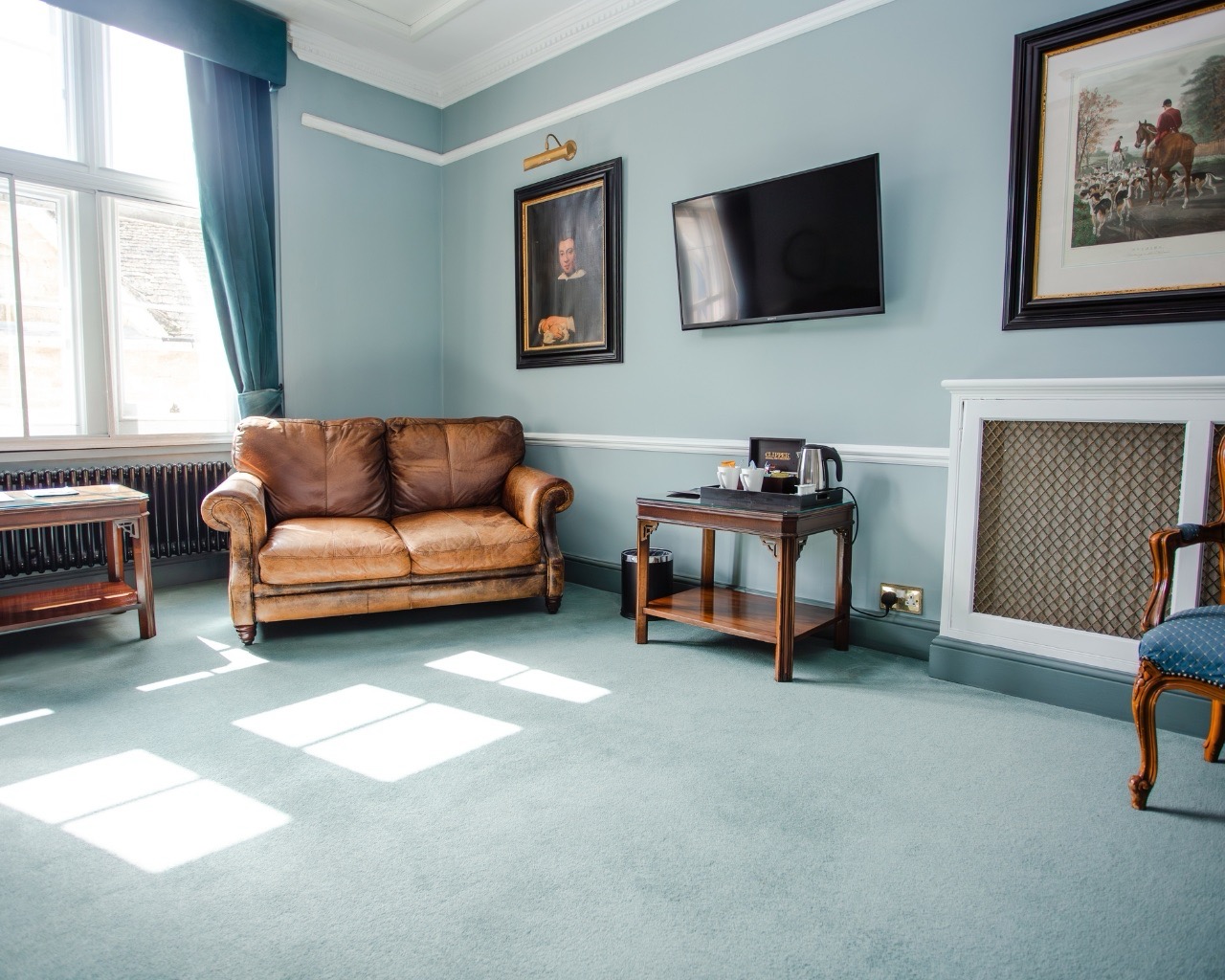
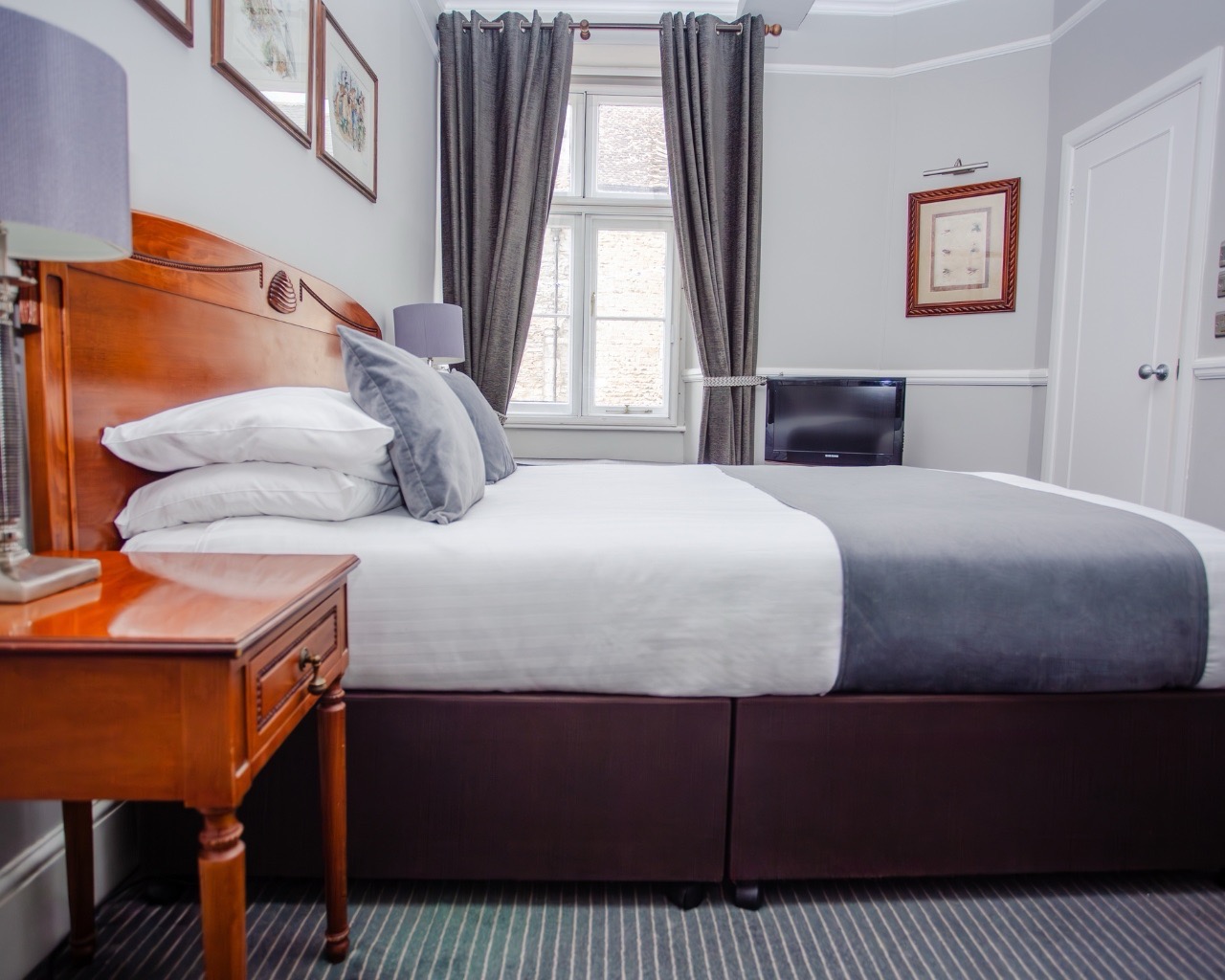
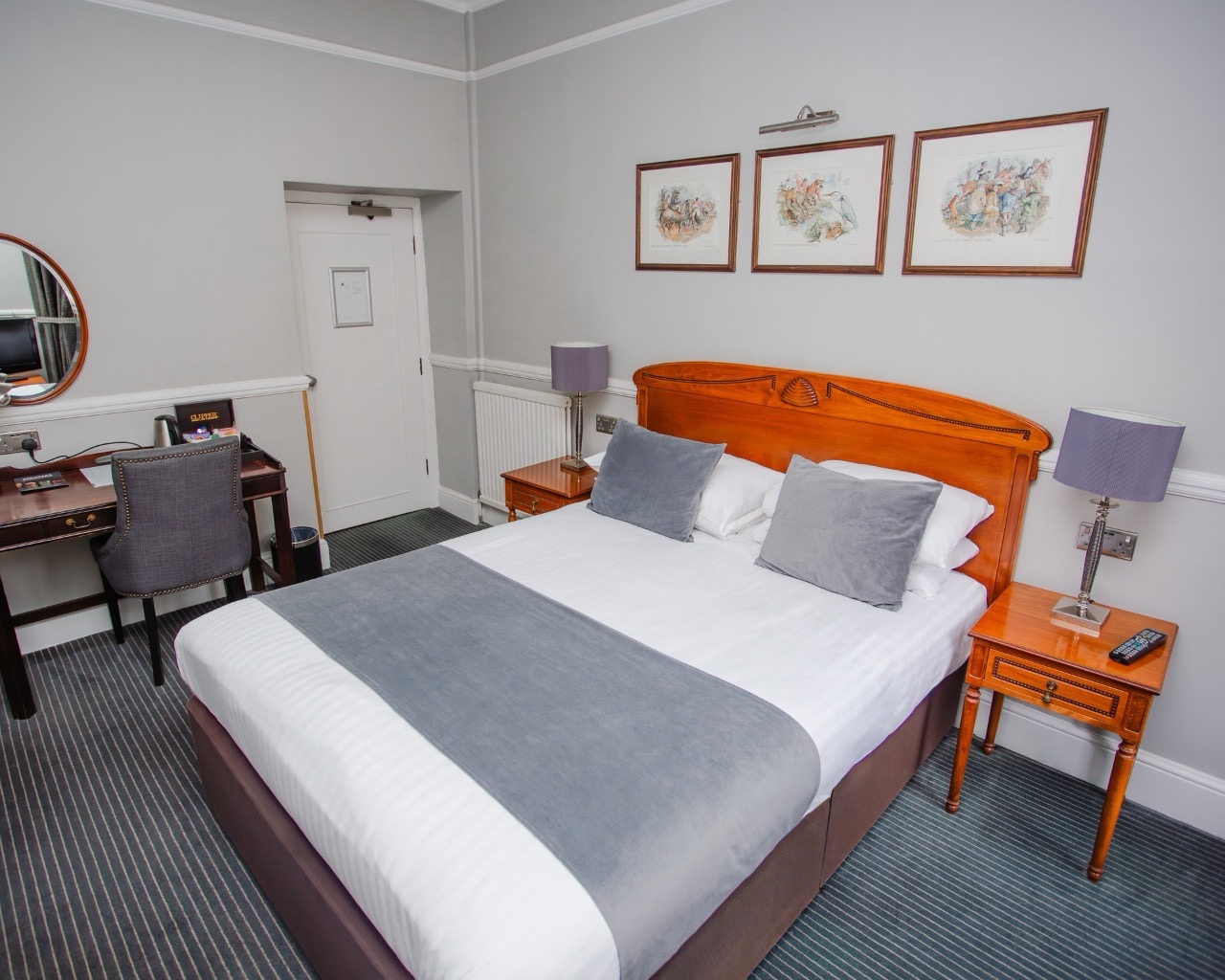
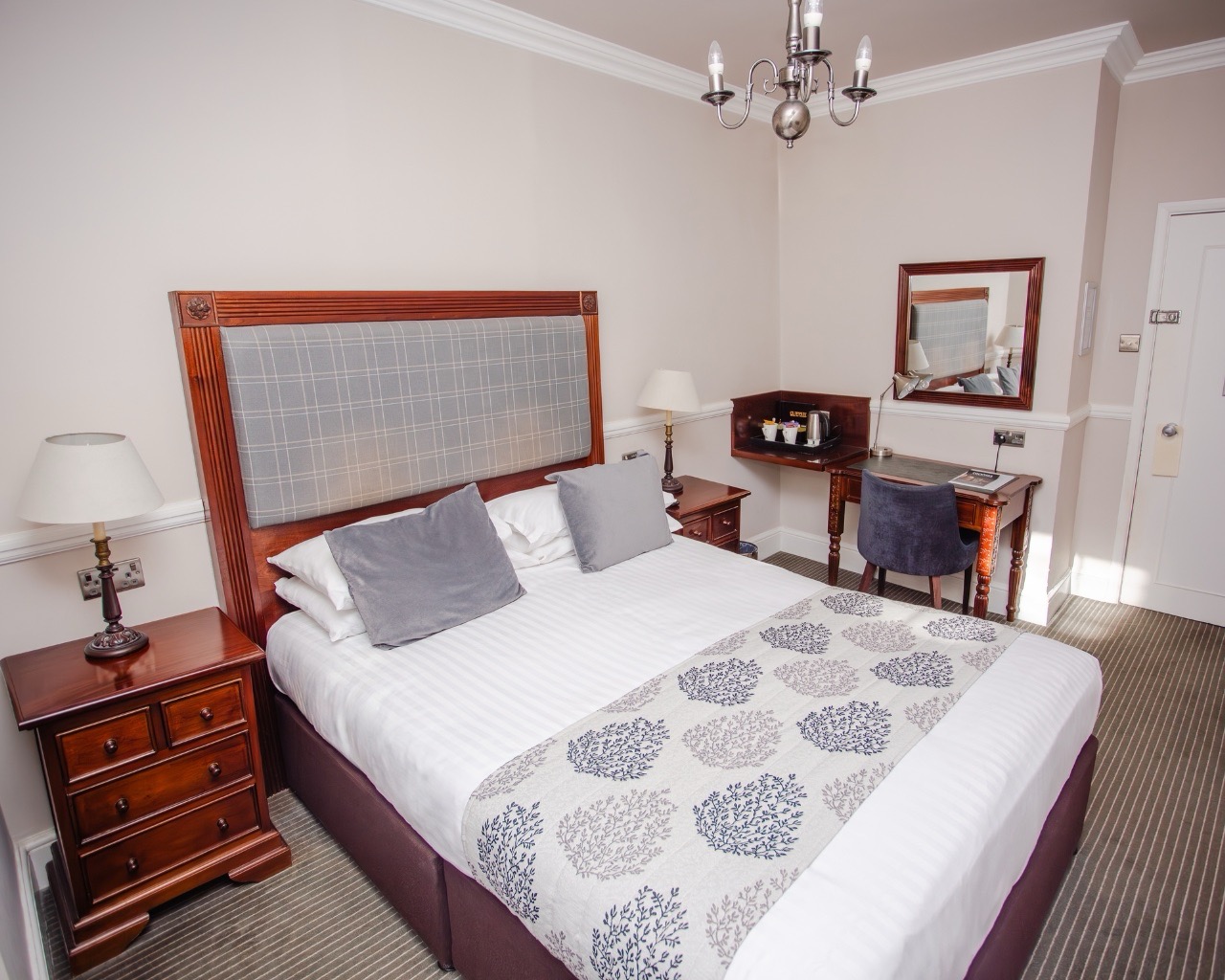
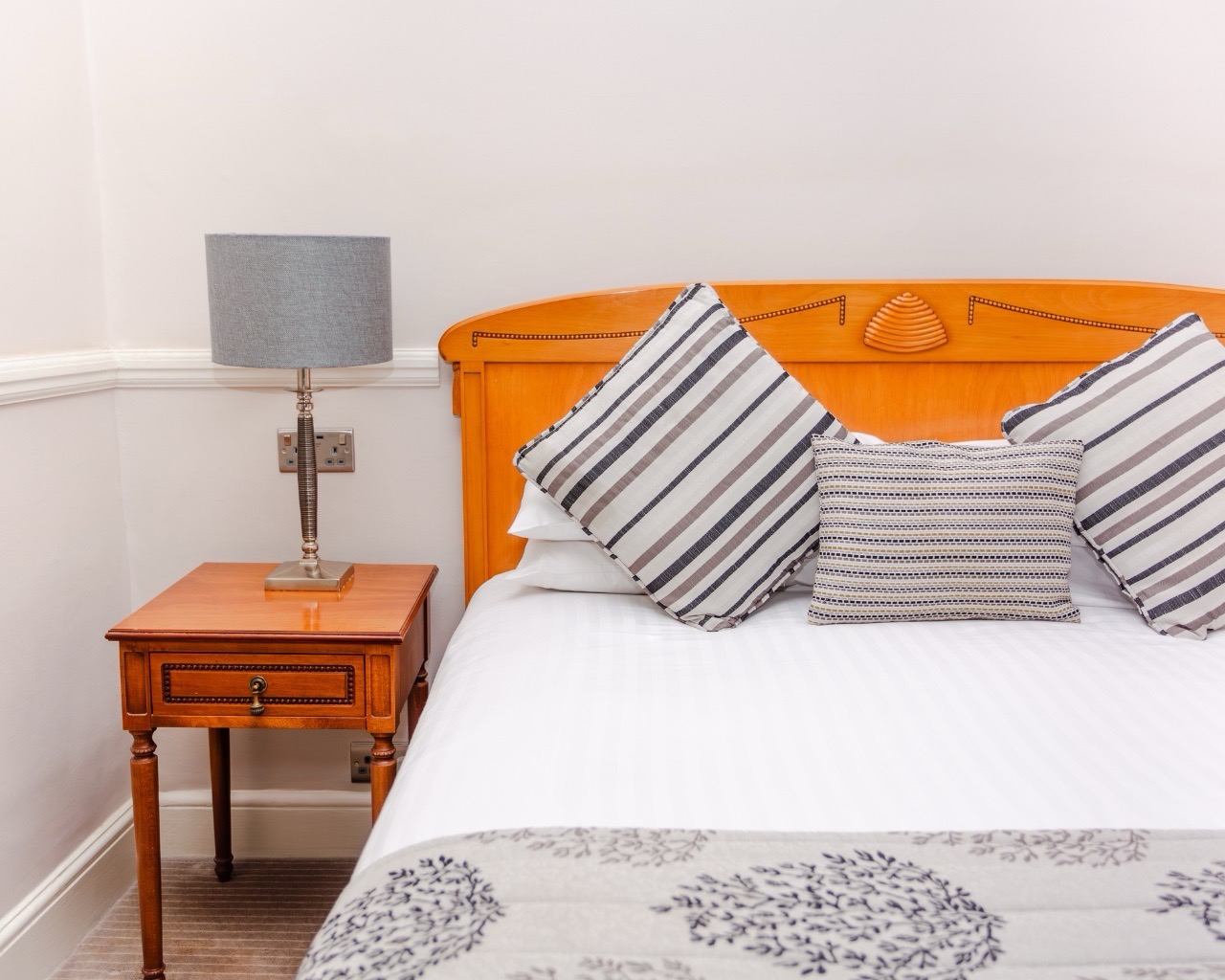
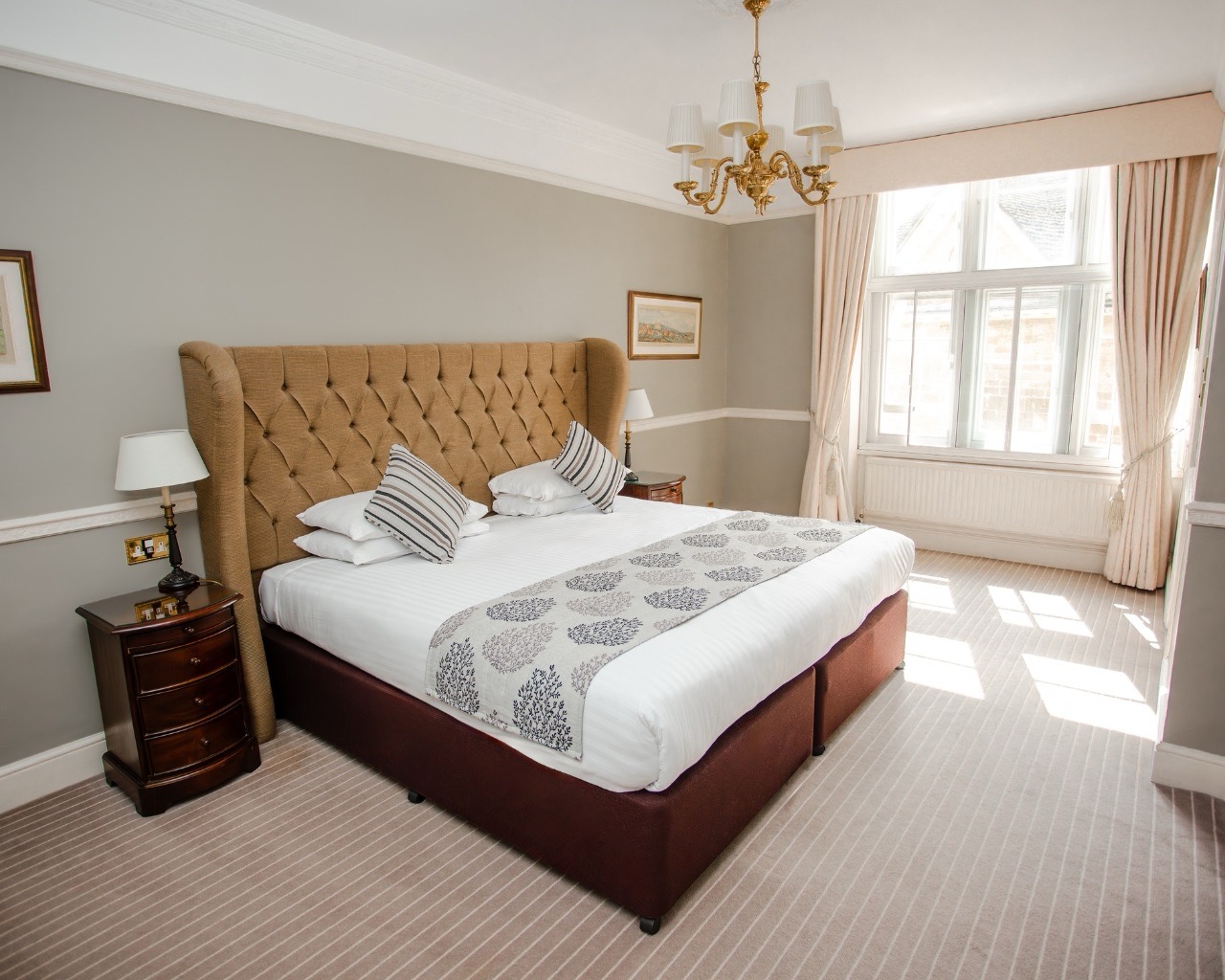
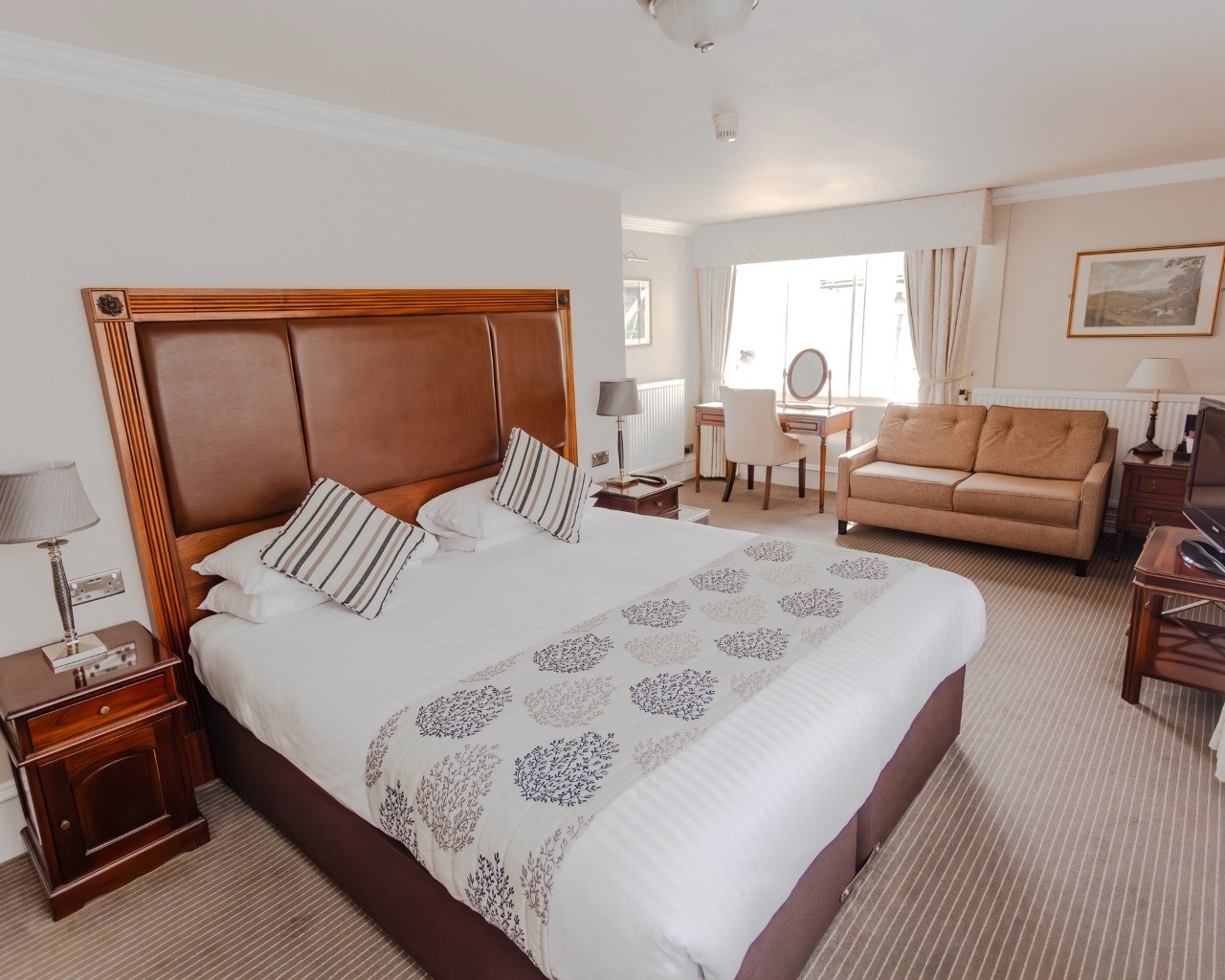
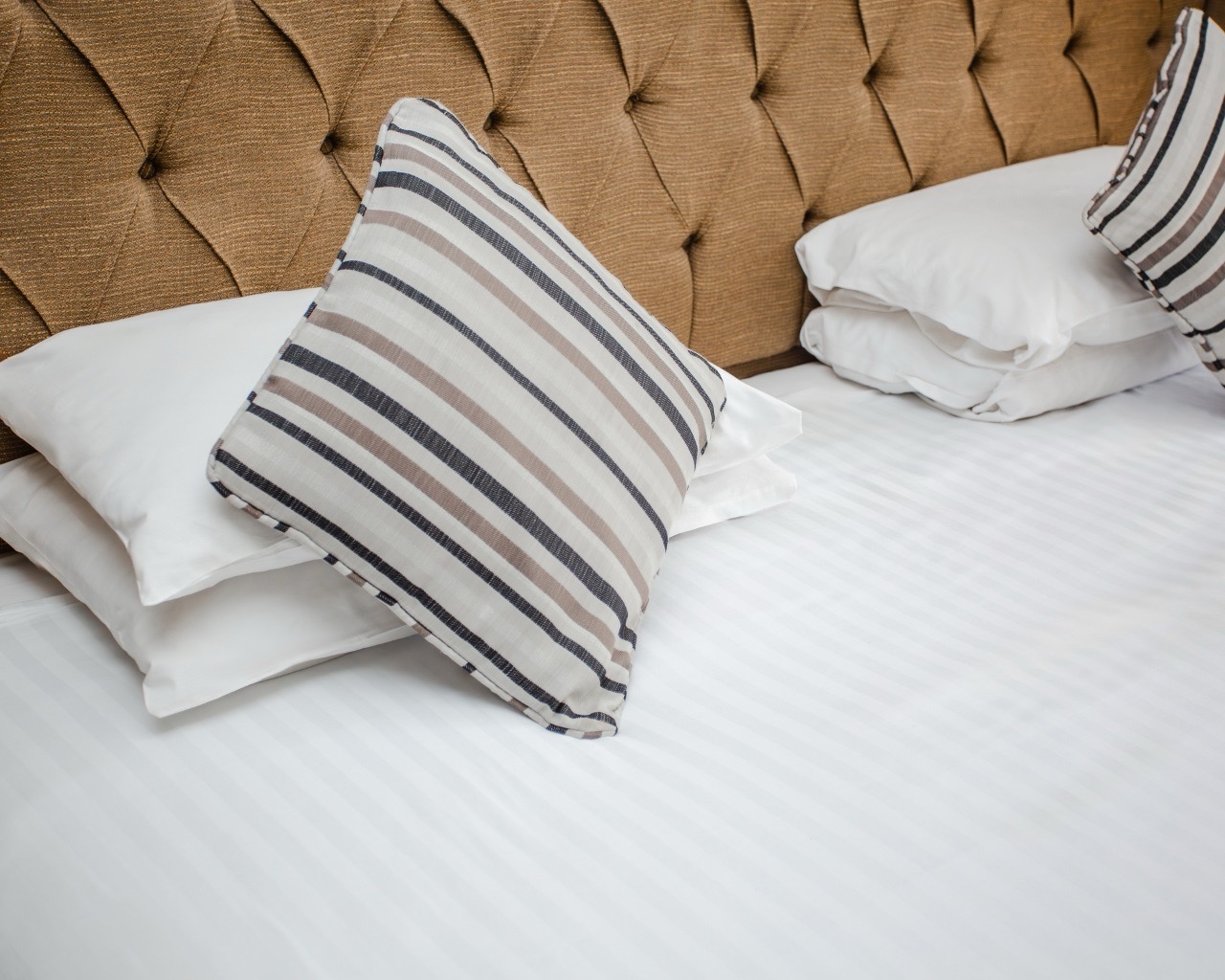
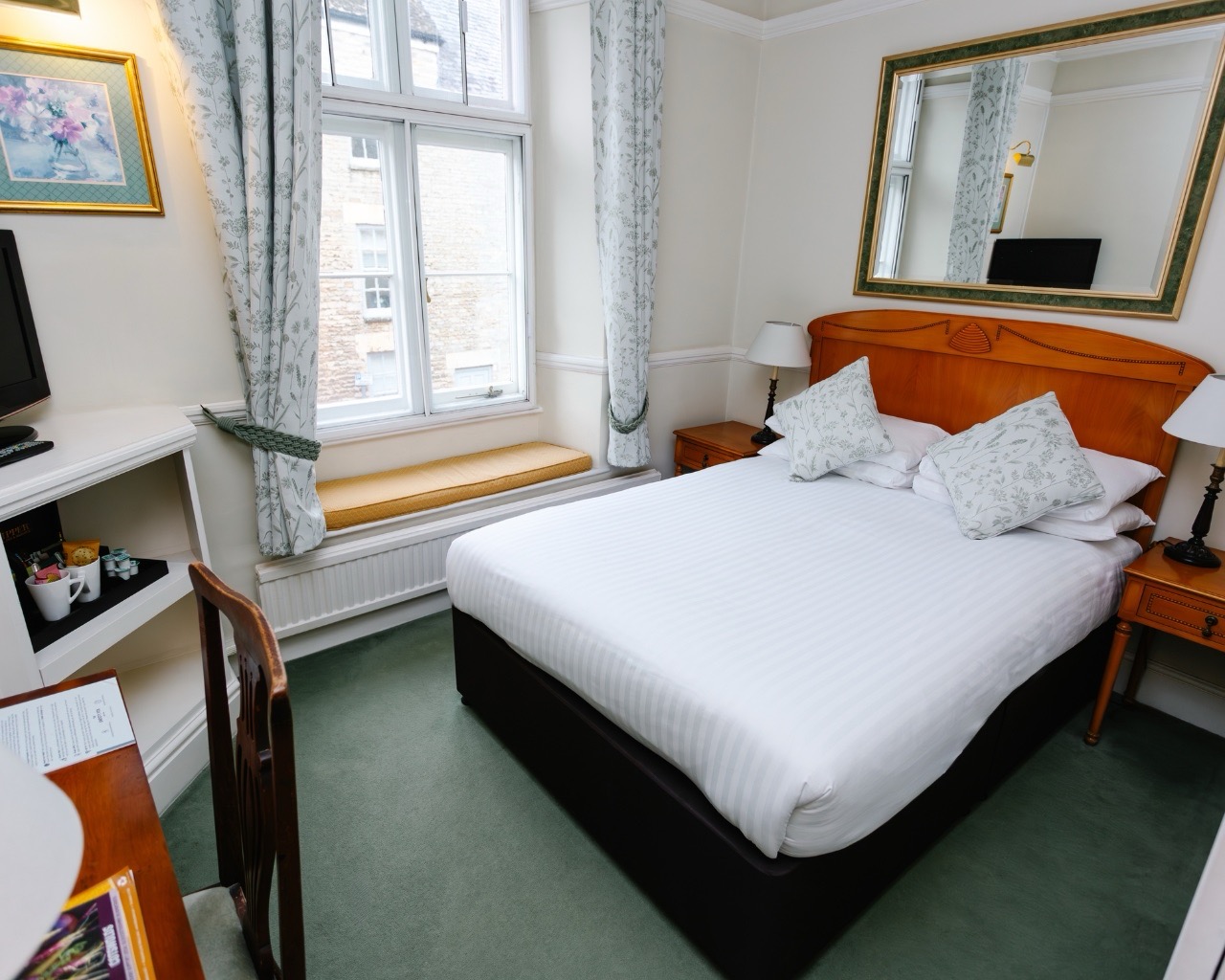
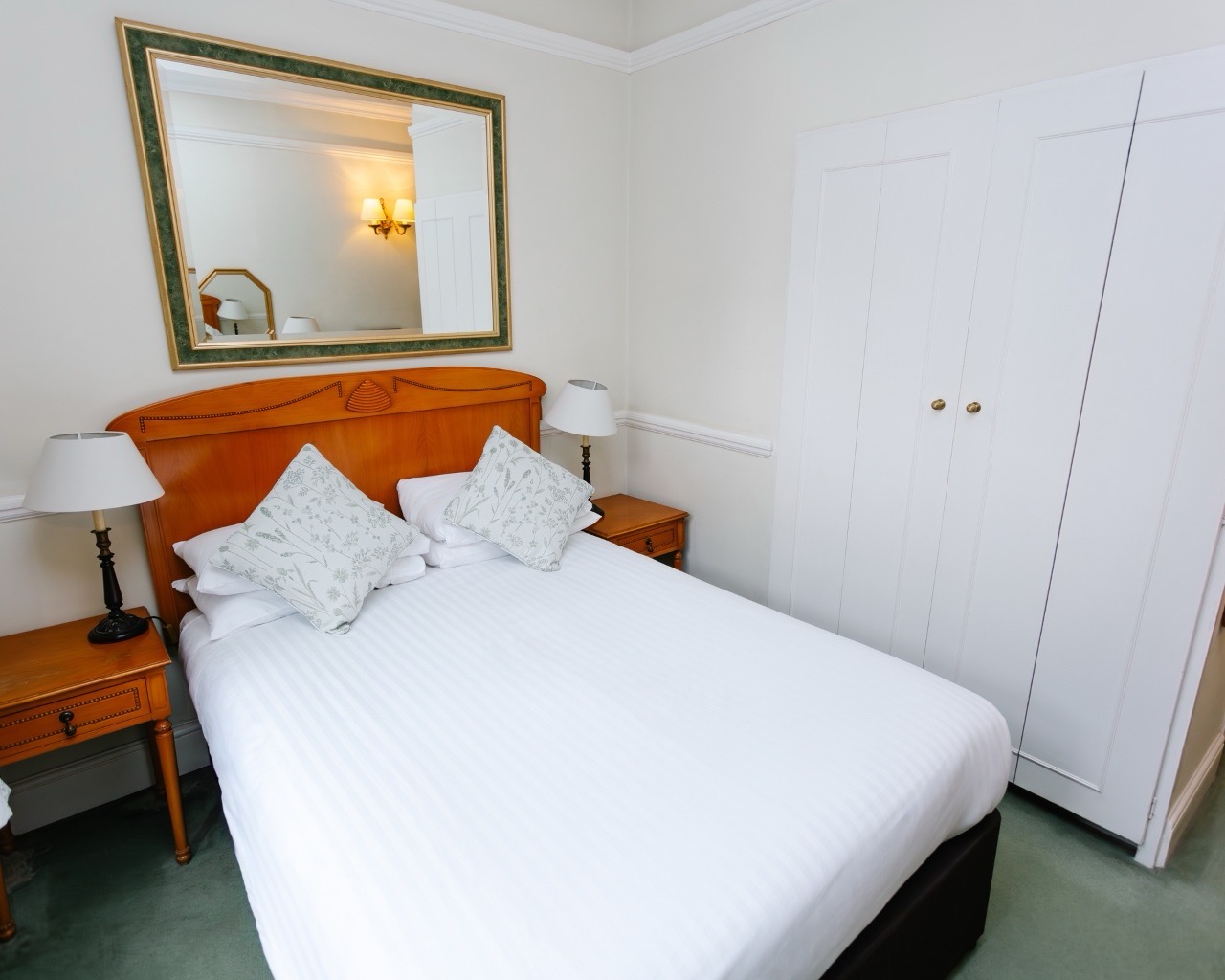
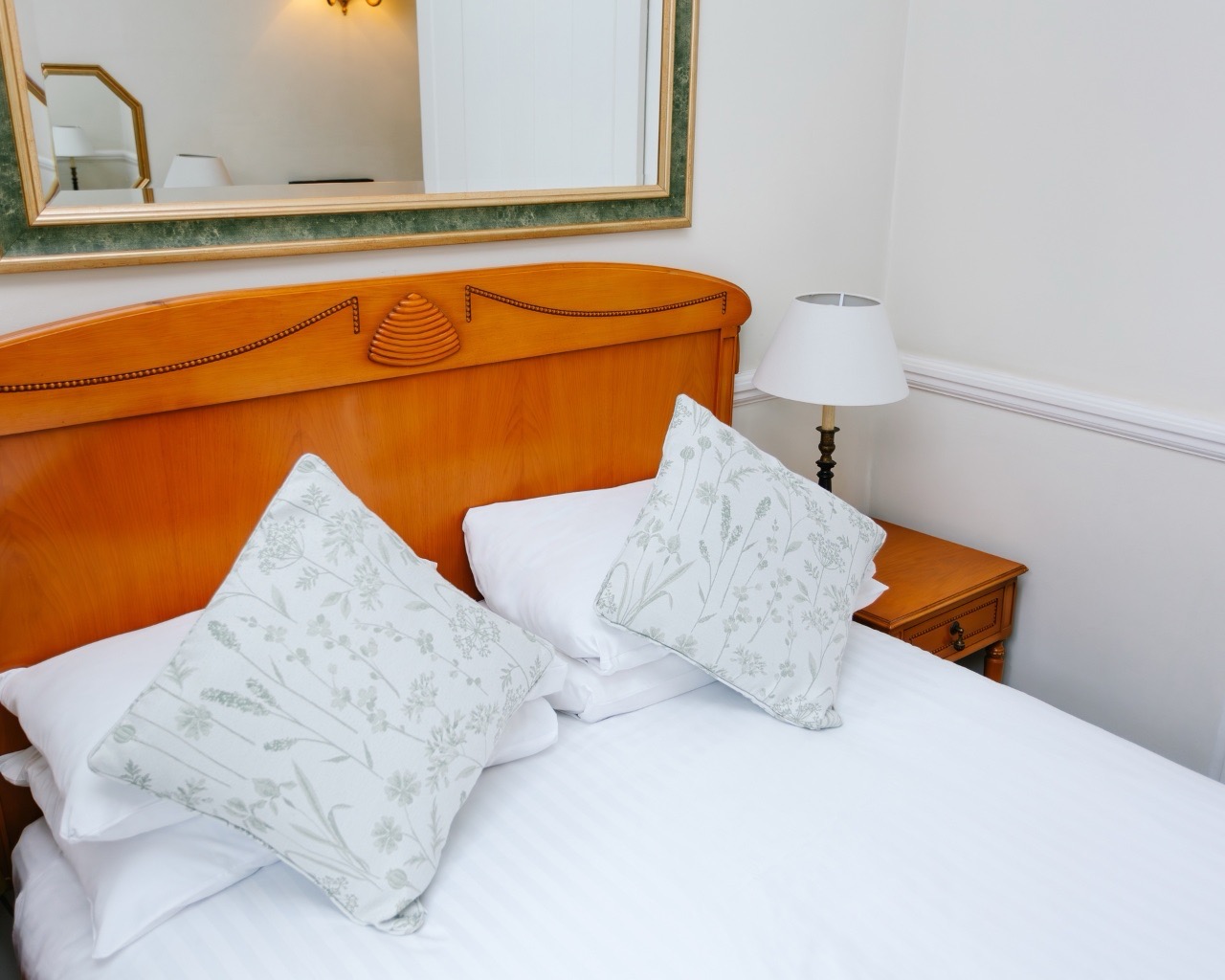
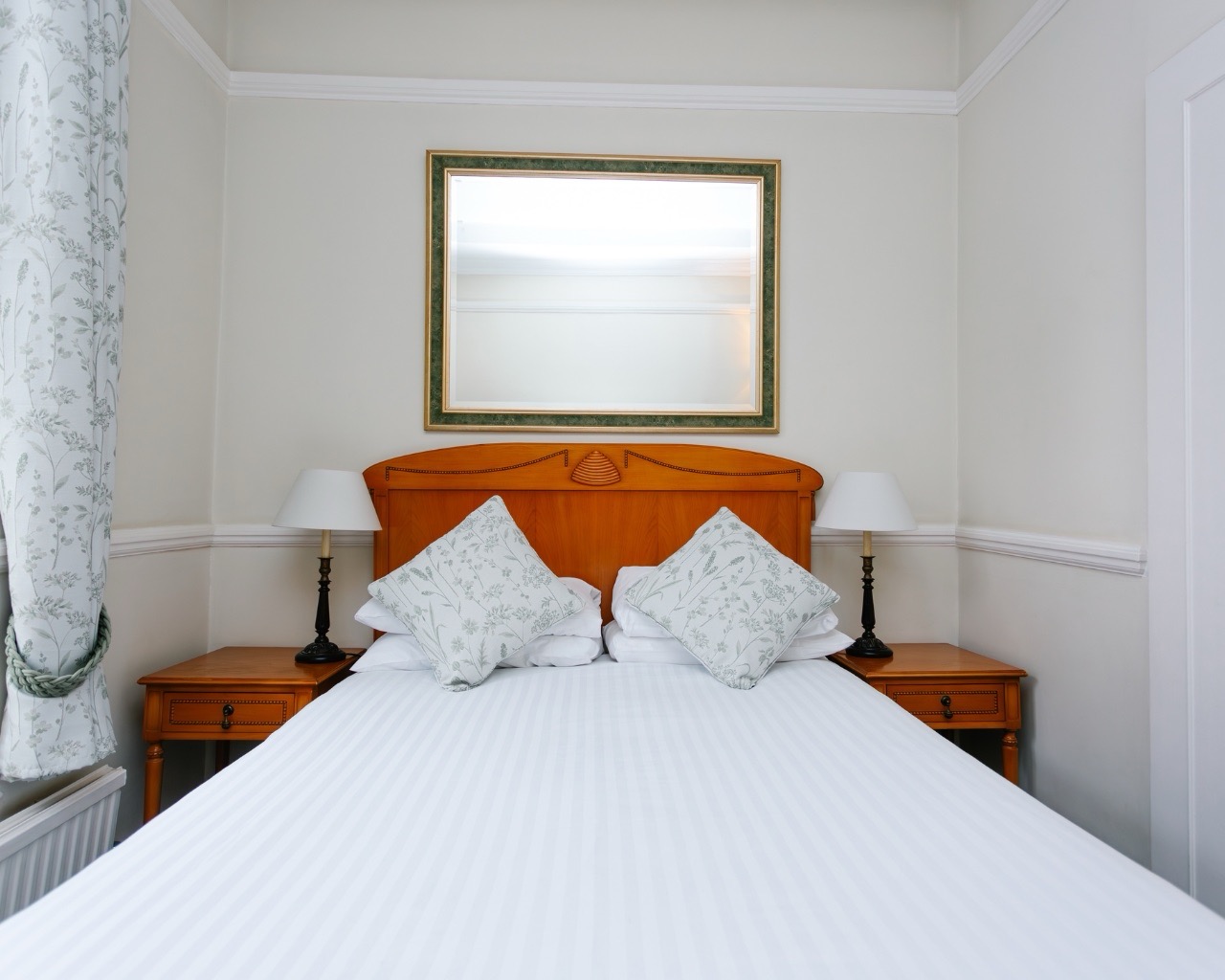
Room options include the Four Poster Room, Superior Room, Standard Double Room and Compact Double Room. Choose between a four-poster bed and different styles of double room, all within a hotel featuring a characterful bar and restaurant. It brings together traditional accommodation and dining in one convenient place.
For a characterful stay steeped in history, book your room directly through The Snooty Fox website.
The appeal of traditional coaching inn accommodation lies in its individuality, but your stay need not follow an old coach route. Consider the atmosphere you want to wake up in, the room that feels comfortable and how you would like to spend your time between outings. These preferences can help you choose a room for a quiet break, a special occasion or a visit with someone close.
At The Snooty Fox, room options include the Four Poster Room, Superior Room and Standard Double Room. Each offers a different style of stay, so you can choose what suits your plans. Enjoy a characterful visit and take time to explore at your own pace.
Contact The Snooty Fox to talk about your stay. A little time spent choosing the right room can make your visit feel all the more your own.
Some former coaching inns still operate as hotels or offer guest rooms, with character and facilities varying between buildings. For a stay with a historic-inn atmosphere, compare room descriptions and practical details before choosing. The Snooty Fox offers several room styles to suit different preferences.
Features may reflect a building’s former role in road travel, such as a central yard and spaces arranged around visitors’ needs. Some historic buildings retain galleries or former service areas, while others have been altered over time. Photographs and the visible layout may offer clues to earlier use, but no single feature proves that an inn once served coaches.