18 November 2026

A good night out needn’t mean staying out late. If you’re searching for a bar close by me, start with the kind of evening you have in mind: a lively gathering, a relaxed catch-up or a drink at your own pace.
Choosing somewhere to meet is about more than finding a drink. You might want a welcoming spot for conversation, a comfortable place to linger or somewhere that fits neatly into an evening out.
This guide explores neighbourhood bars and meeting places, with practical ways to plan an evening at your own pace. Use the ideas to compare your options and choose the setting that suits your plans.
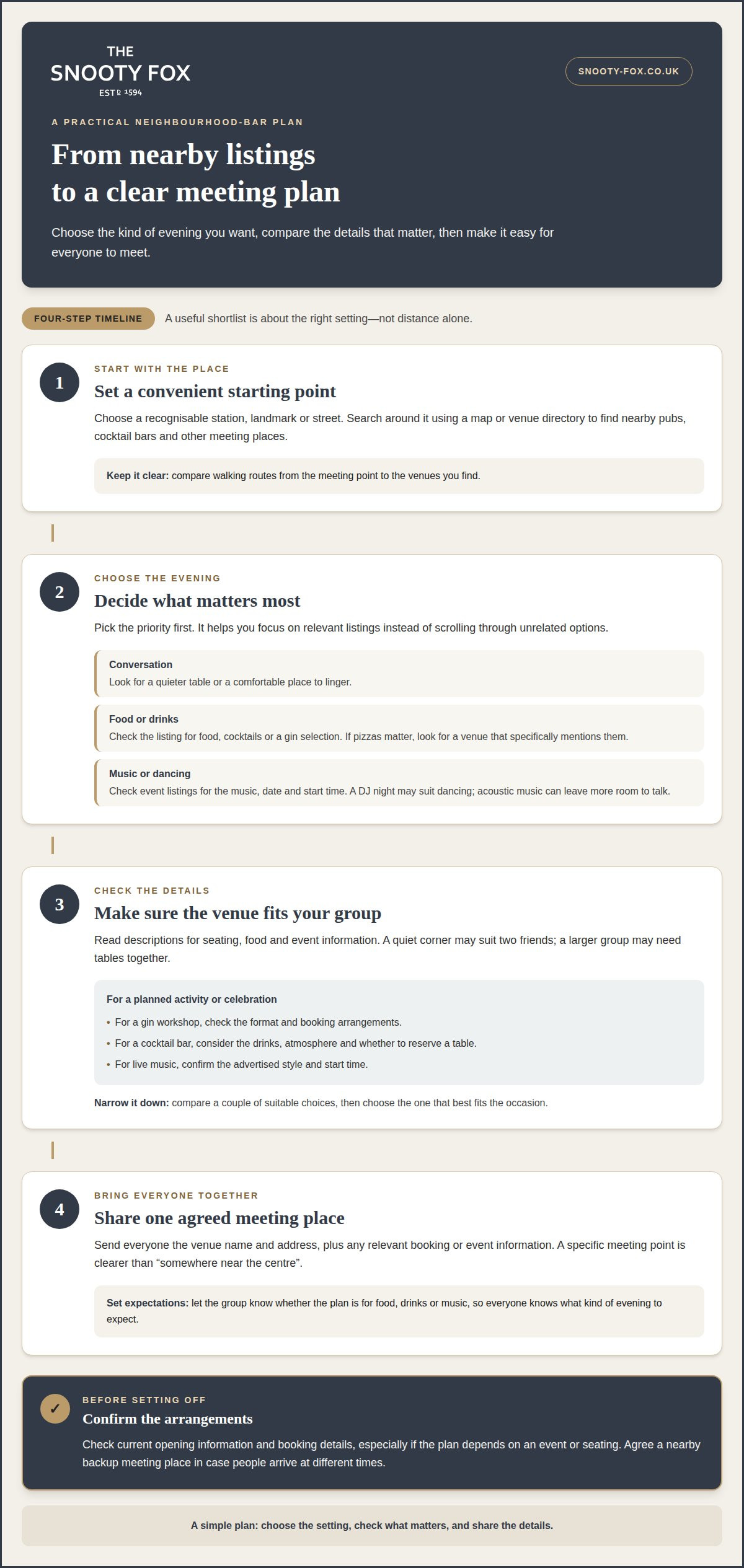
To find a bar close by me, start with the area where you plan to meet. A map or a comprehensive venue directory can show nearby pubs, cocktail bars and other meeting places. Narrow the results by atmosphere: perhaps you want a quiet table for conversation, a lively setting for a celebration or somewhere serving drinks alongside food. Deciding what kind of evening you want first makes it easier to focus on useful details instead of scrolling through unrelated listings.
Consider what your gathering needs. Two friends catching up may prefer a quieter corner, while a larger group might need tables together. Read venue descriptions for seating and food information, and look for group booking details if relevant. If pizzas are part of your plan, choose a listing that specifically mentions them rather than assuming every bar serves food. This helps everyone arrive with the same expectations.
For nearby pubs and bars, use a recognisable meeting point as your starting place. Search around a station, landmark or street where your group can gather, then compare walking routes to the venues shown. If people are arriving separately, share the name and address of one agreed meeting place. That’s clearer than a vague instruction such as “meet somewhere near the centre”.
Live DJs and dancing call for a more specific search. Look for event listings that name the music, date and start time, rather than relying on a general venue description. A DJ night may suit friends who want to dance, while live acoustic music can leave more room for conversation. If your group has mixed preferences, agree on a first meeting place before deciding whether to continue somewhere with music.
A gin bar can make drinks the focus of a relaxed get-together. For a gin workshop, look for an event description explaining the format and booking arrangements. A guided activity gives the group a shared experience, while a menu featuring a selection of gin may suit a spontaneous visit. The right fit depends on whether you want a planned activity or time to talk over a drink.
Cocktail bars offer another setting for a celebration or an evening centred on a particular menu. Read the listing for details about drinks and atmosphere, then consider whether your group would rather reserve tables or arrive without a booking. If you’re organising, share the venue details and plan with the group beforehand. Clear arrangements help everyone find the right place and settle in together.
When choosing a bar close by me, use these steps to make a useful shortlist:
Finally, think about what would make a place welcoming for your group. Regulars may favour a familiar pub atmosphere; visitors might prefer a cocktail menu or a music event. A directory or online guide can help you understand the setting before you arrive, while your plans determine which details matter most. Compare a couple of suitable choices, then pick the one that best fits your evening rather than relying on distance alone.
Taking a little time to prepare helps everyone to arrive with the same expectations and settle into the evening. Before setting off, check the venue’s current opening information and any booking details, especially if your plans depend on a particular event or seating arrangement. It can also help to agree on a backup meeting place nearby in case the group arrives at different times. Keep the plan simple: share the venue name, address and any relevant booking information, and let everyone know whether you intend to stay for food, drinks or music. These details make it easier for guests to decide whether the choice suits them.
Exploring a national venue directory or hospitality guide is a great starting point for finding local spots. Whether you are planning a relaxed evening at The Snooty Fox or searching for a new neighbourhood haunt, use directory listings as a foundation, then check the details for the places that match your preferred atmosphere and location. A directory result is not a substitute for confirming the arrangements that matter to your group, such as seating, food, event timing or bookings. Comparing those details can help you choose a neighbourhood meeting place that feels right for the occasion, rather than simply picking the closest option. Once the group has agreed, share the plan clearly so everyone knows where to meet and what kind of evening to expect.
A night out can take several forms, from a leisurely supper to dancing late into the evening. Decide what the evening is for: celebrating, catching up with friends or making time for an unhurried drink. That choice helps you plan a night with a natural rhythm, rather than moving between places without a clear reason. For example, a birthday group might want dinner first, followed by music, while friends meeting after work may prefer one comfortable base.
Next, think about timing. Starting with food leaves room for conversation before the liveliest part of the evening. If you want a quieter night, choose one venue and allow time to settle in. The atmosphere can change with the season: a warm indoor setting may suit one visit, while another calls for a stroll between stops. Let the weather and your group’s energy shape the pace.
Match the venue to the occasion, not just the drinks menu. A relaxed pub can make a reunion feel easy; a cocktail setting may add a celebratory note to a birthday toast. If your group has different tastes, agree on one shared priority, such as food, conversation or dancing. Use that choice to guide the rest of the evening. This keeps the plan inclusive without expecting everyone to enjoy the same kind of night.
For an evening with live music, look for event details rather than relying on a general venue description. Check the advertised music style and start time, and whether the event is a one-off or part of a regular programme. A DJ set may suit friends keen to dance, while acoustic music can leave more room for conversation. If you’re meeting a group, share the event details in advance so everyone knows what atmosphere to expect.
Some venues may describe an area or event as exclusive. Read the wording in context: it might refer to a private booking, a reserved space or a particular event, rather than the whole venue. If privacy matters for your celebration, look for clear information about the arrangement and group access. For a casual evening, a shared public space may feel more sociable and spontaneous.
Serving times and food options can also shape the evening. If dinner is central to your plans, make sure the venue listing describes food service rather than assuming a drinks venue serves meals. A group arriving at different times might prefer somewhere people can join comfortably throughout the evening. For example, friends meeting after separate commitments can settle in with a drink before deciding whether to eat.
A simple plan helps everyone enjoy a night out without over-organising it:
For a spontaneous evening, use the same approach in miniature. Pick one nearby area, decide whether you want food or drinks first, then choose a place that fits. If the first stop feels right, stay and enjoy it; if not, use your shared priority to choose the next one. This is especially useful when people have different ideas about a perfect night out.
Finally, consider how you want the evening to end. A late dance can be the main event, or you might prefer a quiet final drink before heading back. Make the plan clear to your group, particularly if some friends want to leave earlier. A thoughtful pace lets you enjoy nightlife on your terms, whether you’re planning a lively celebration or a slower evening together.
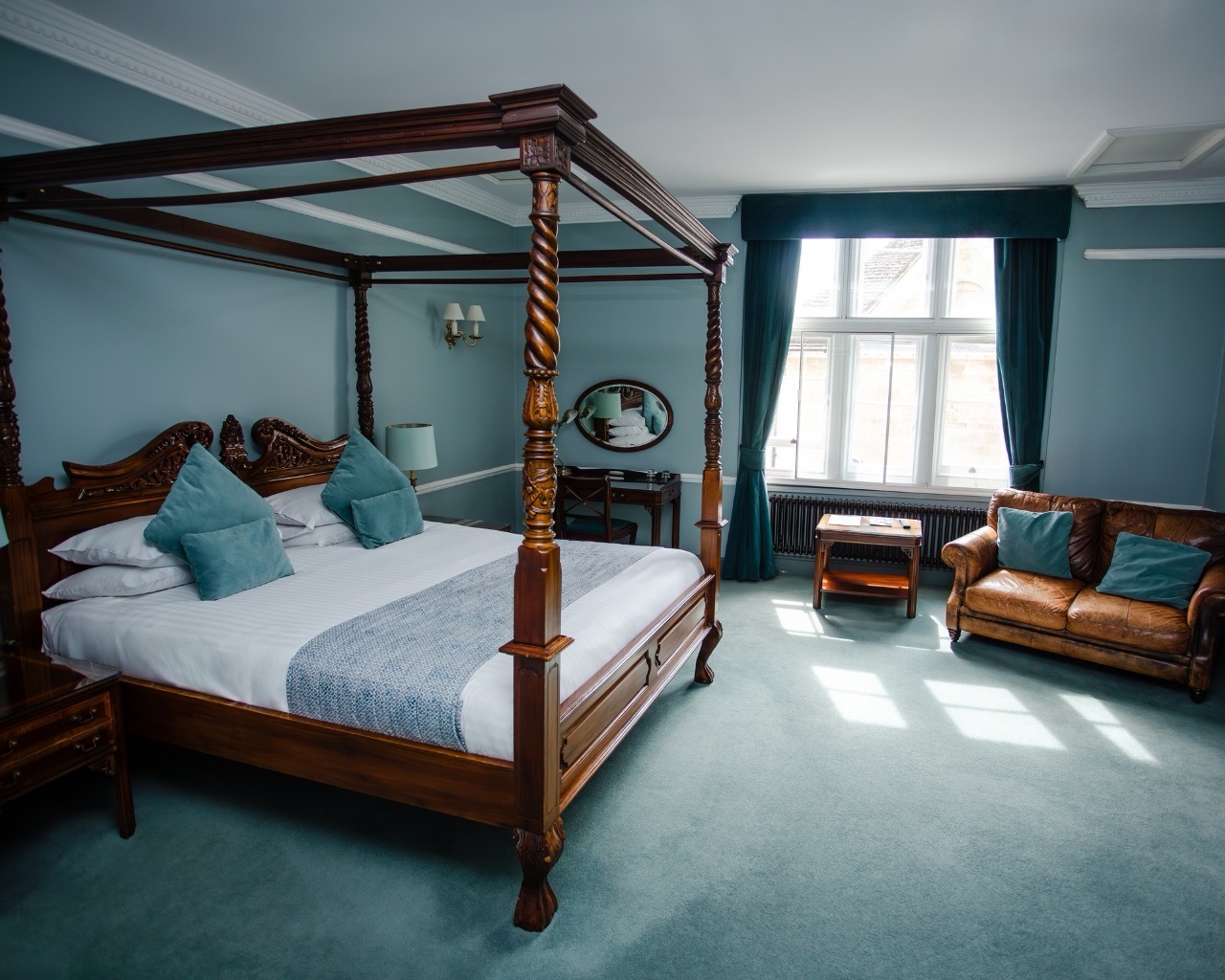
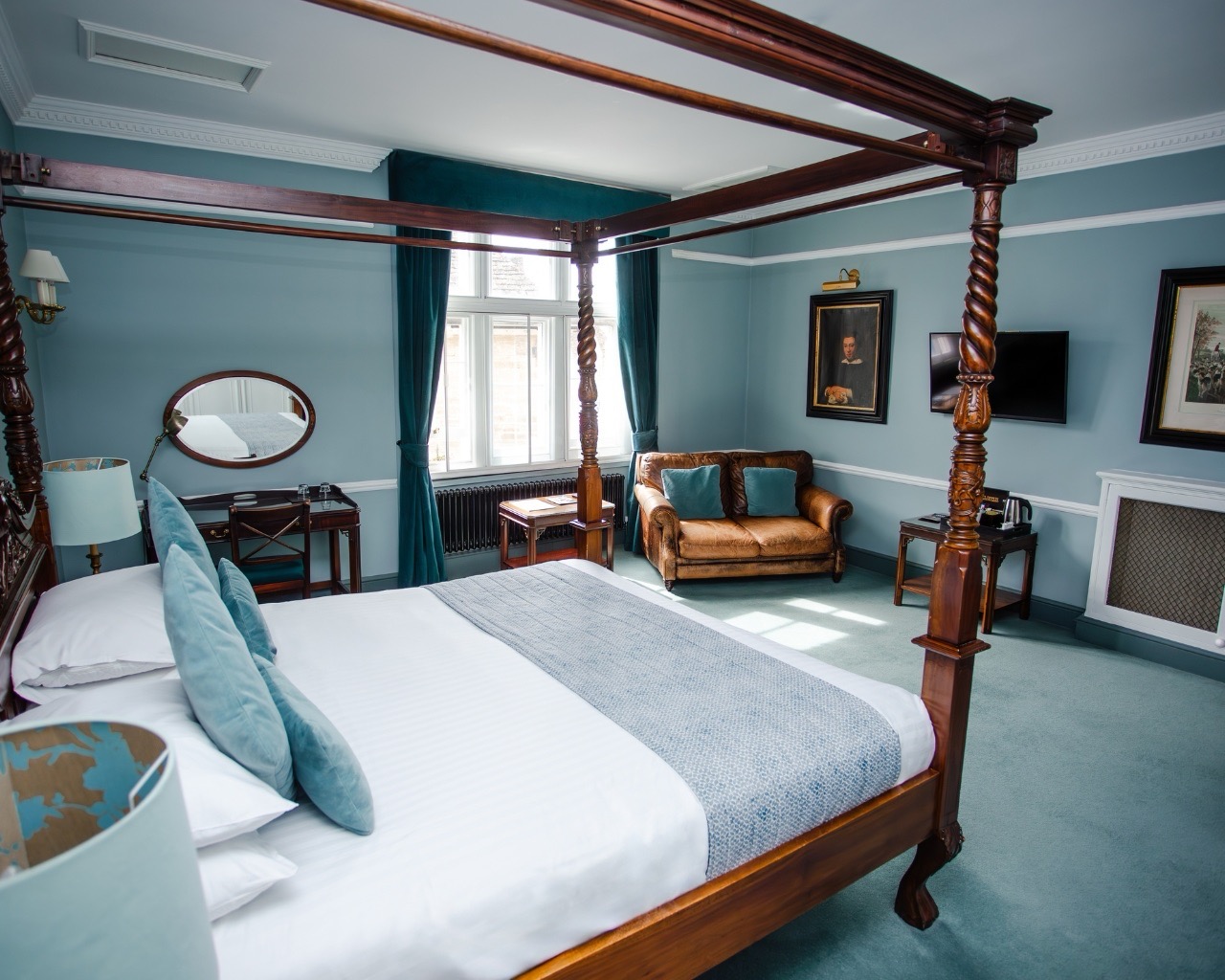
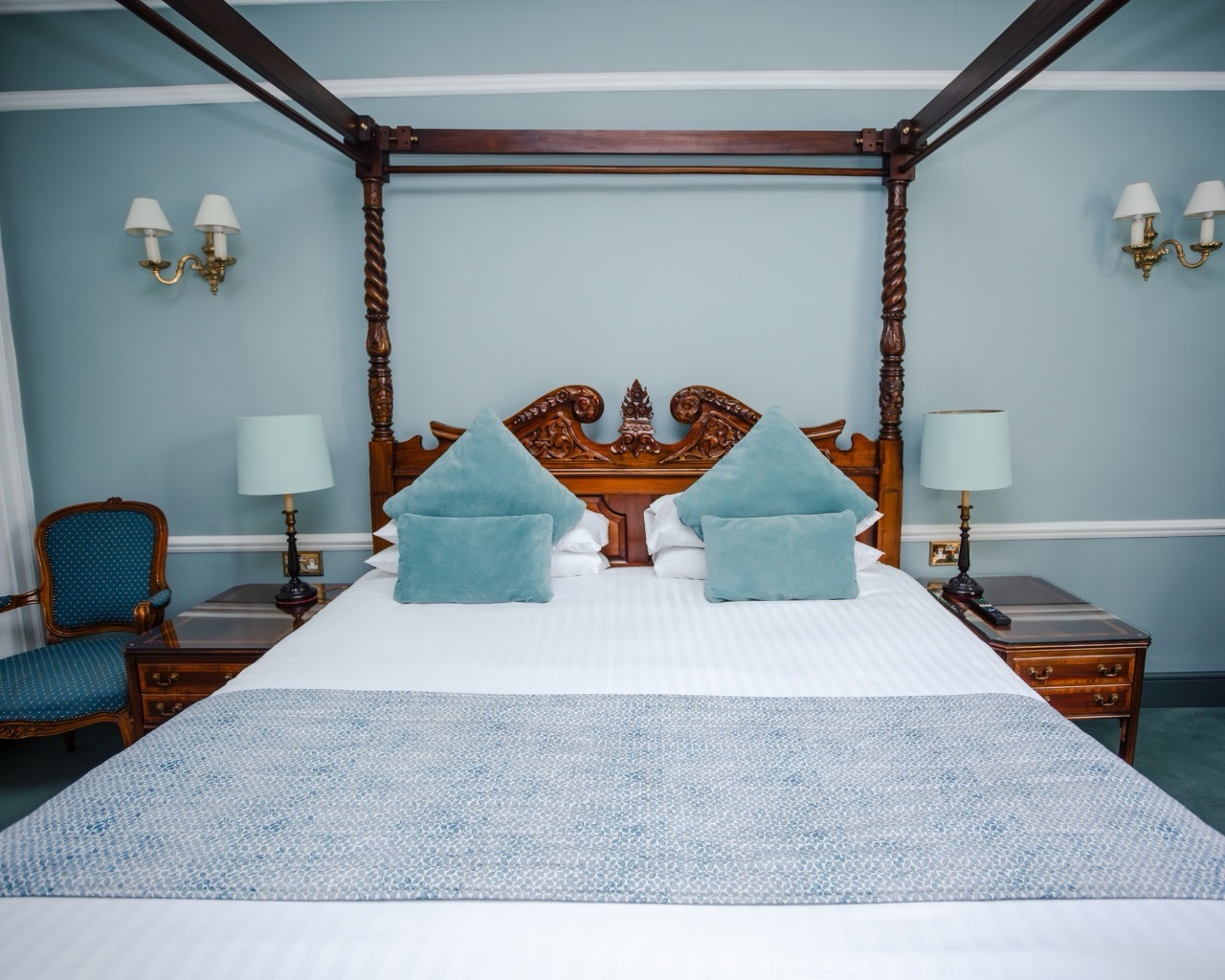
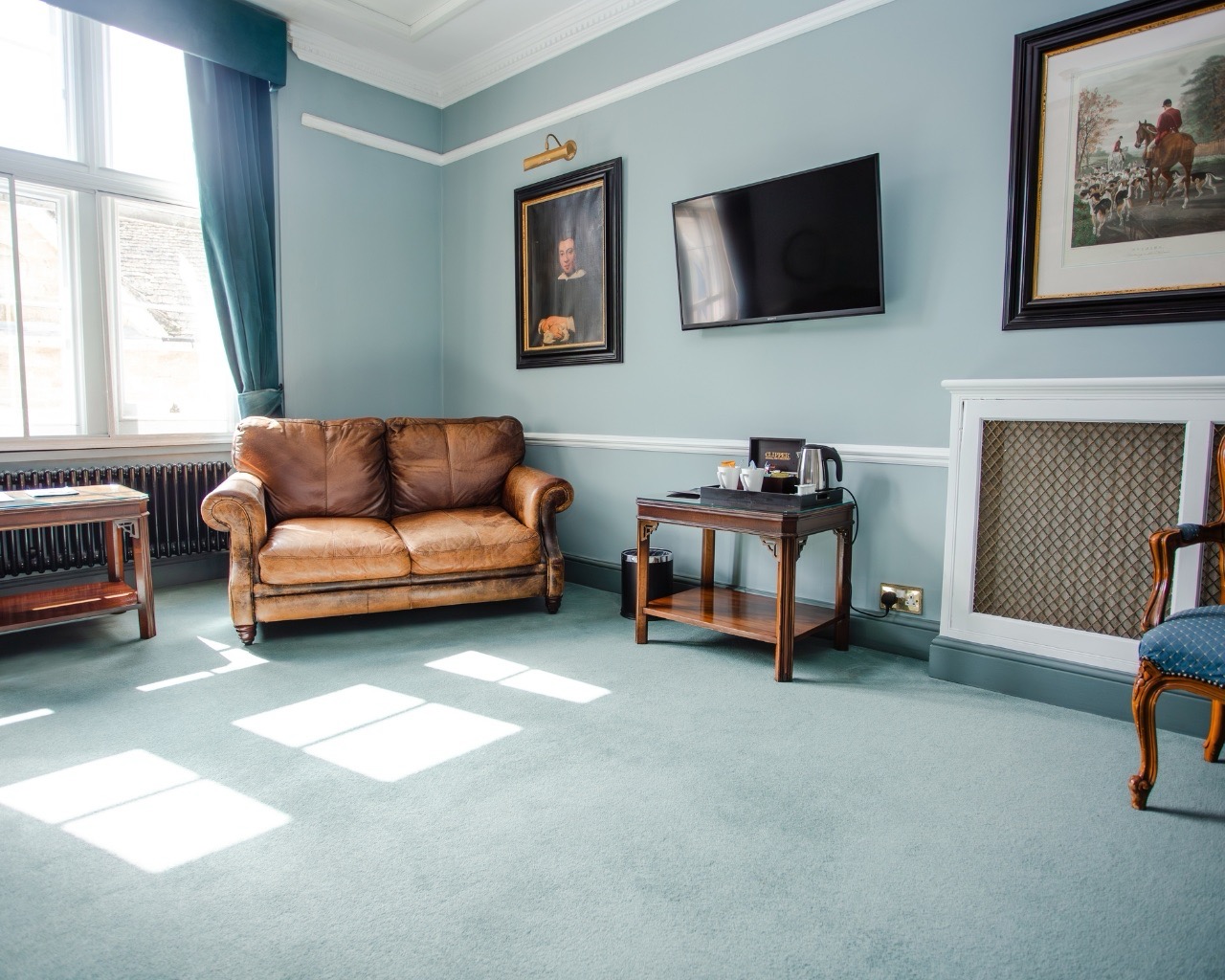
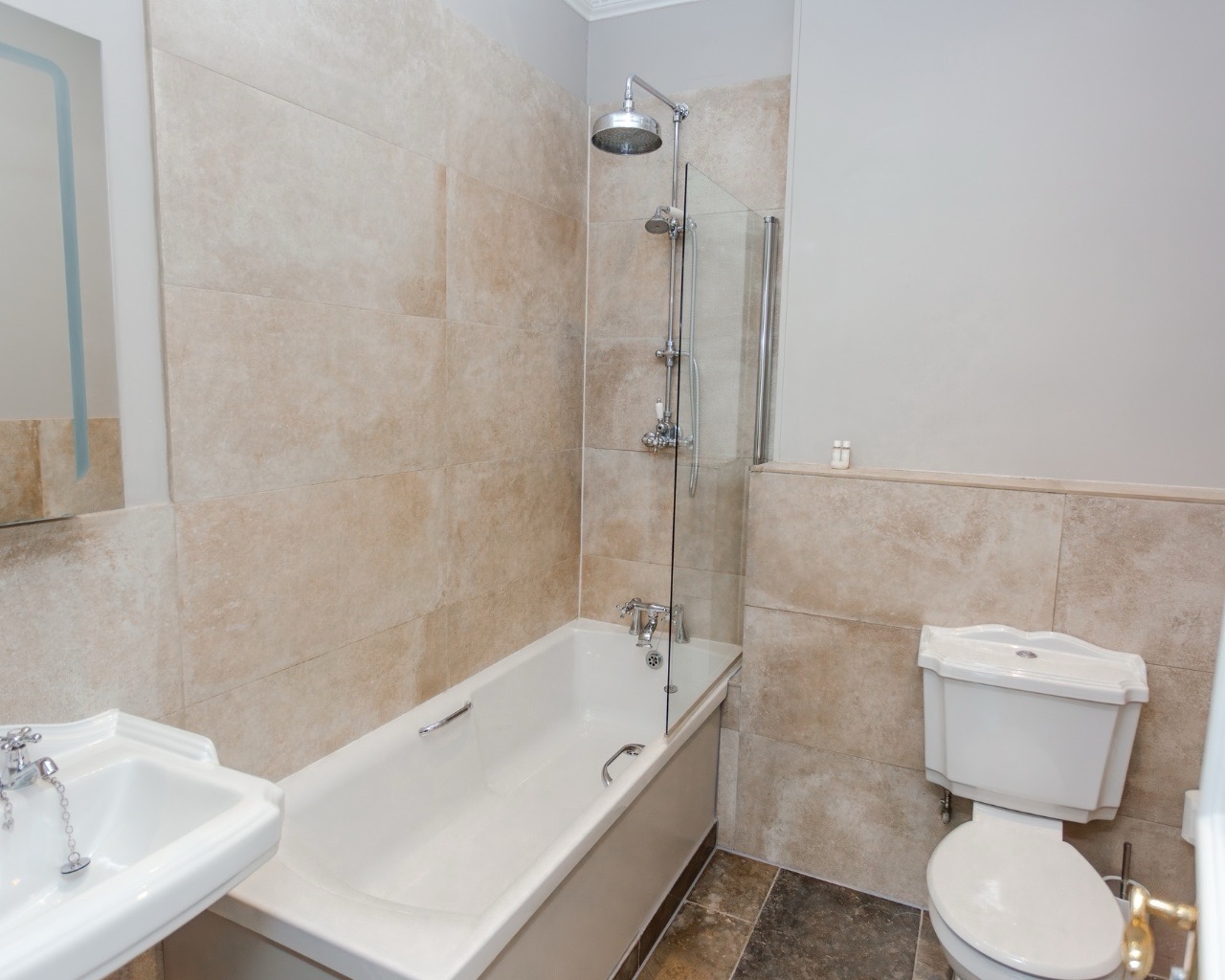
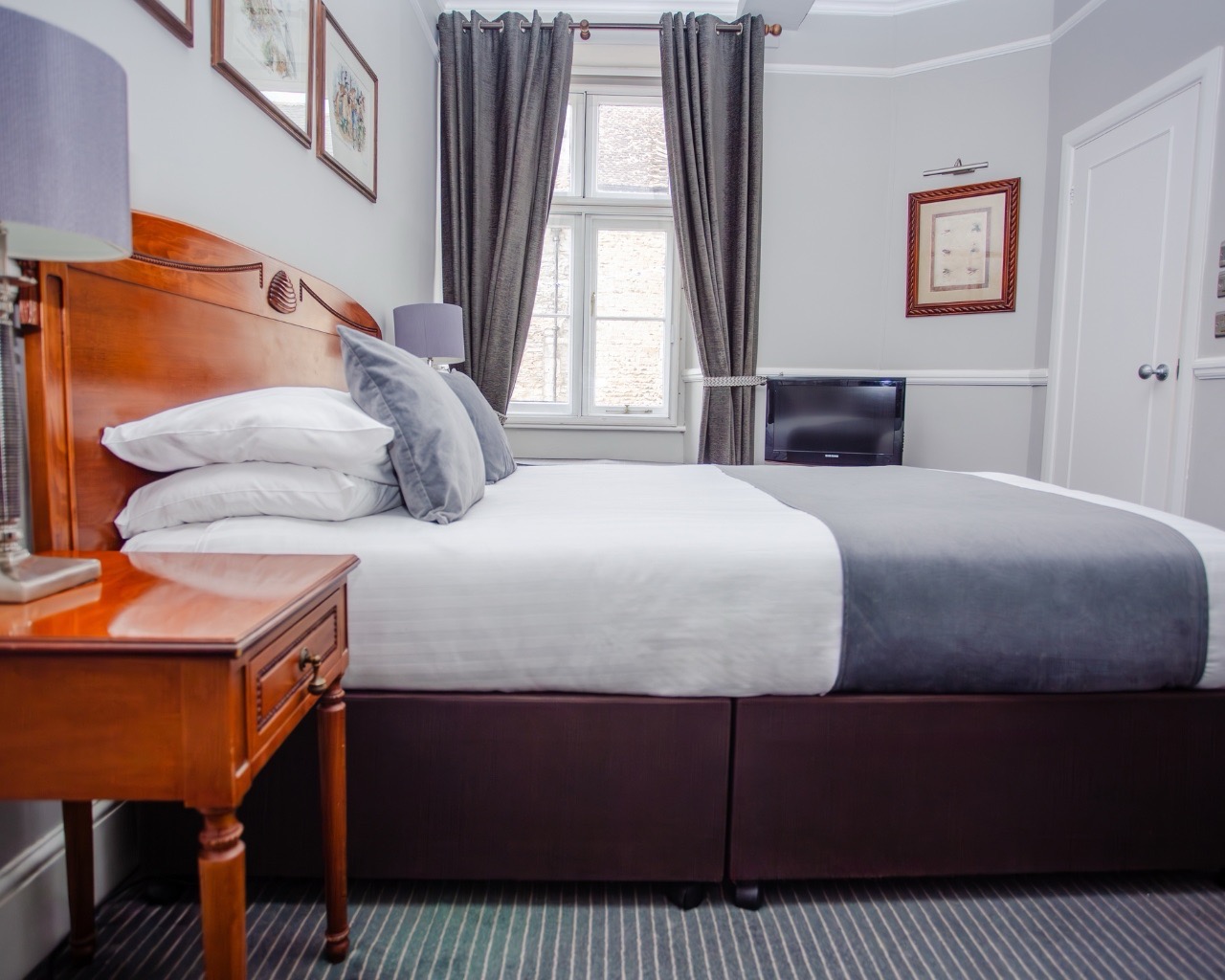
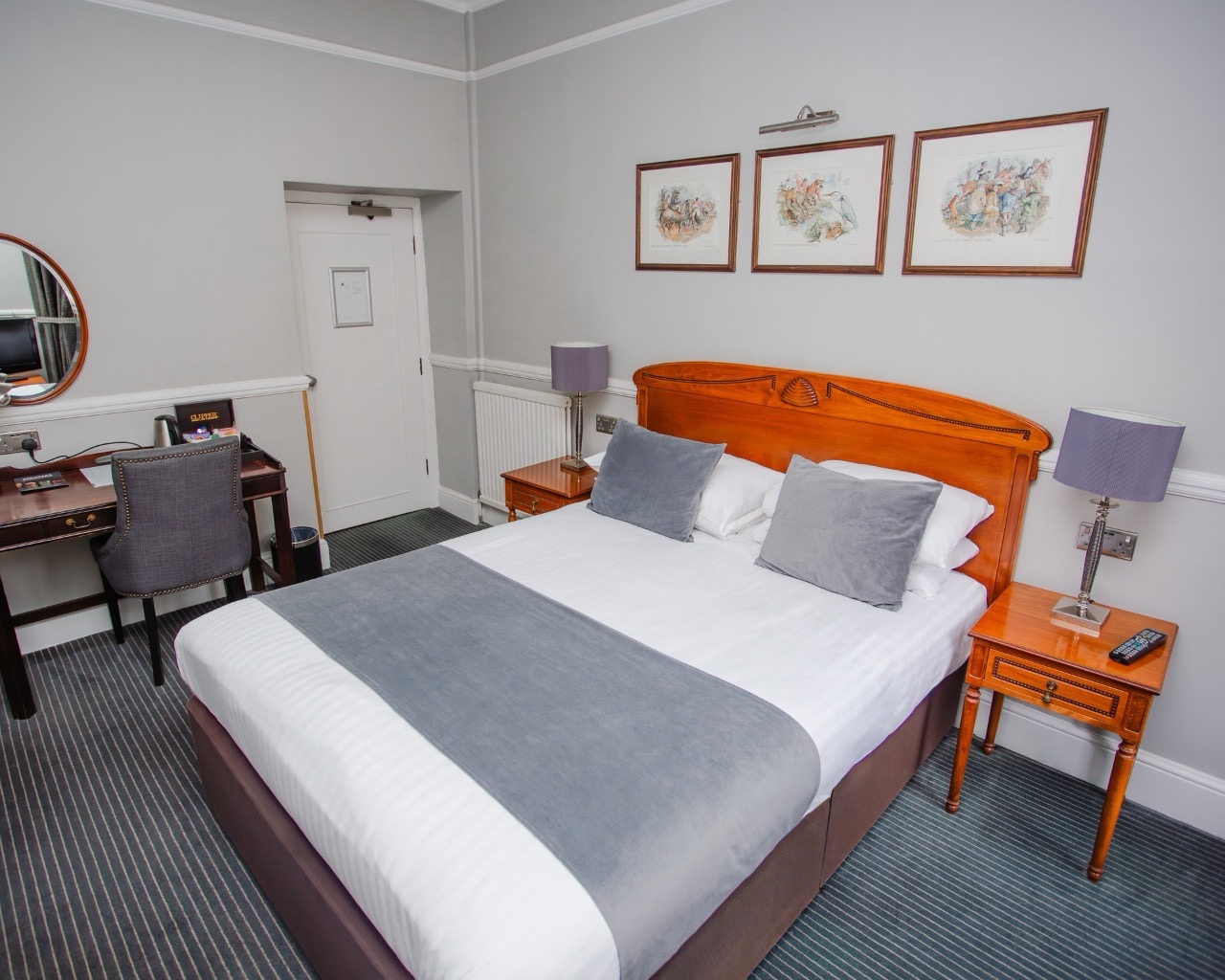
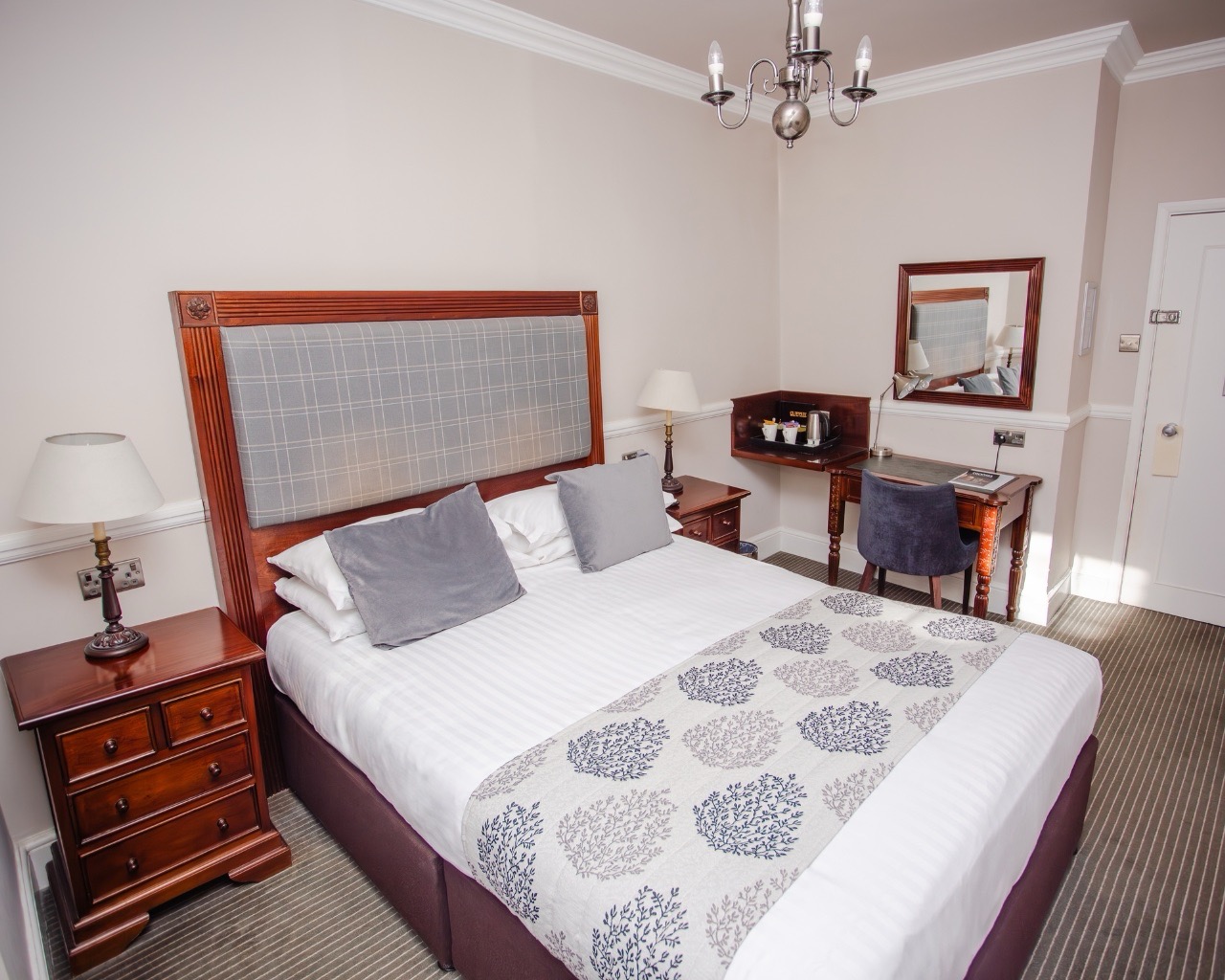
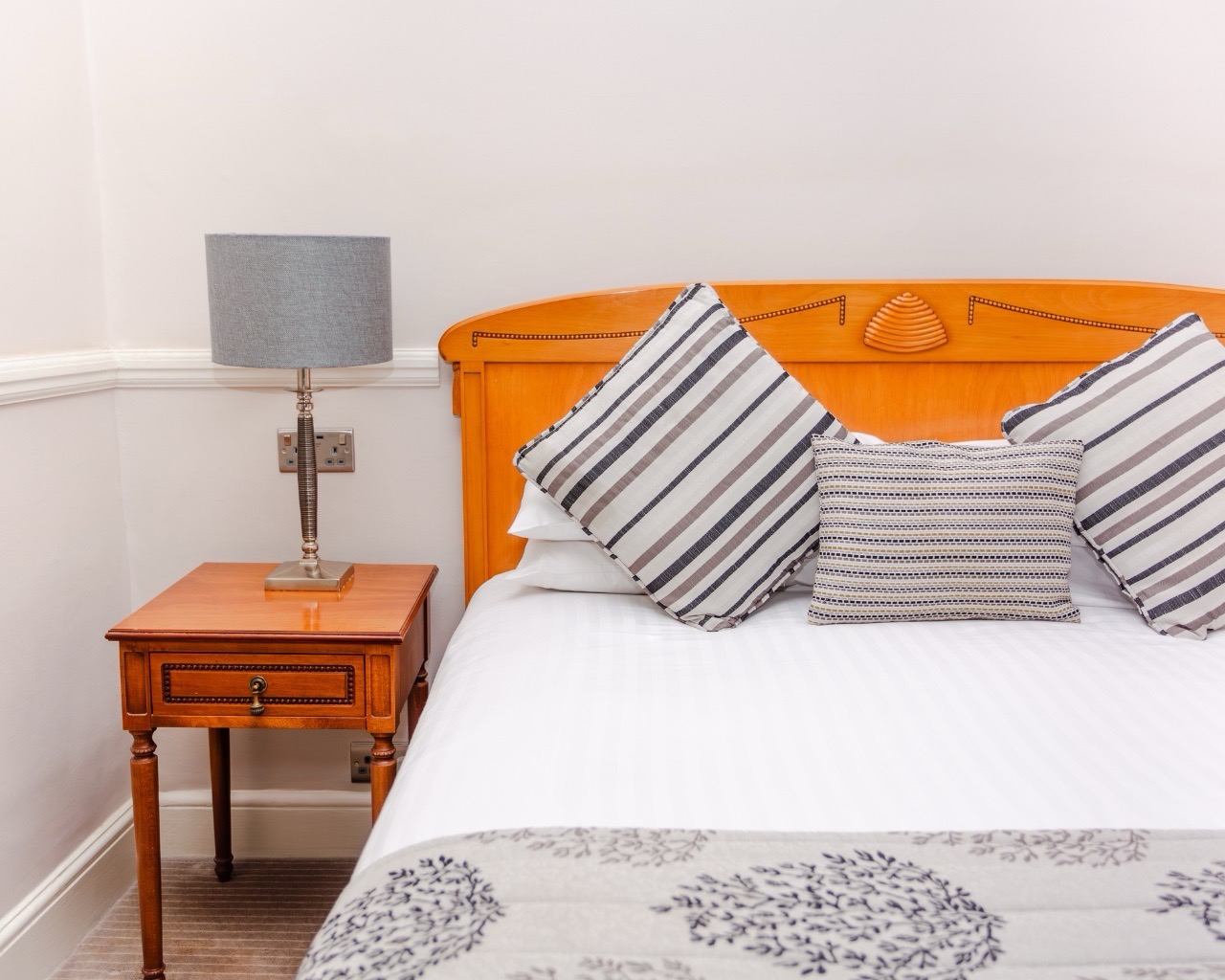
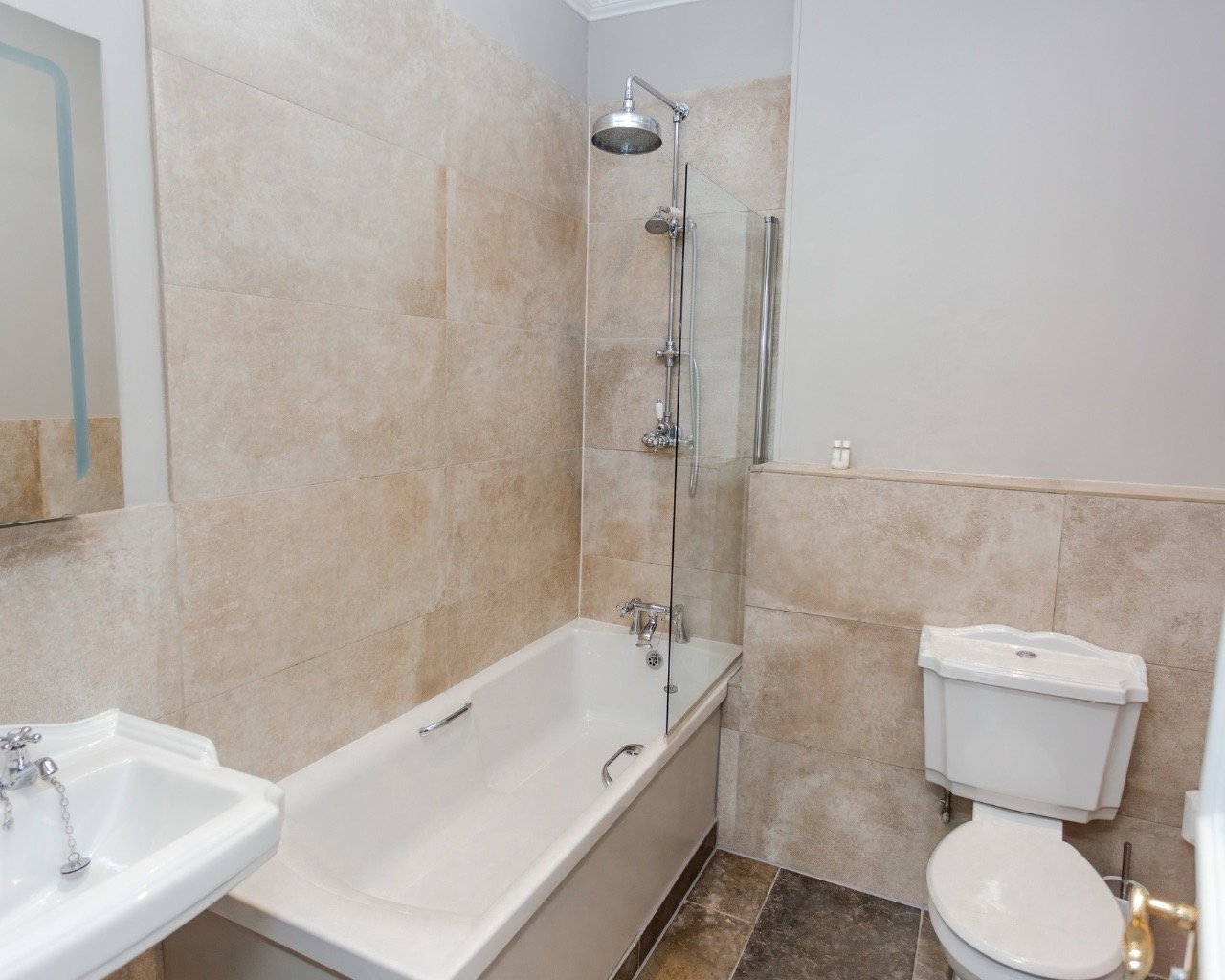
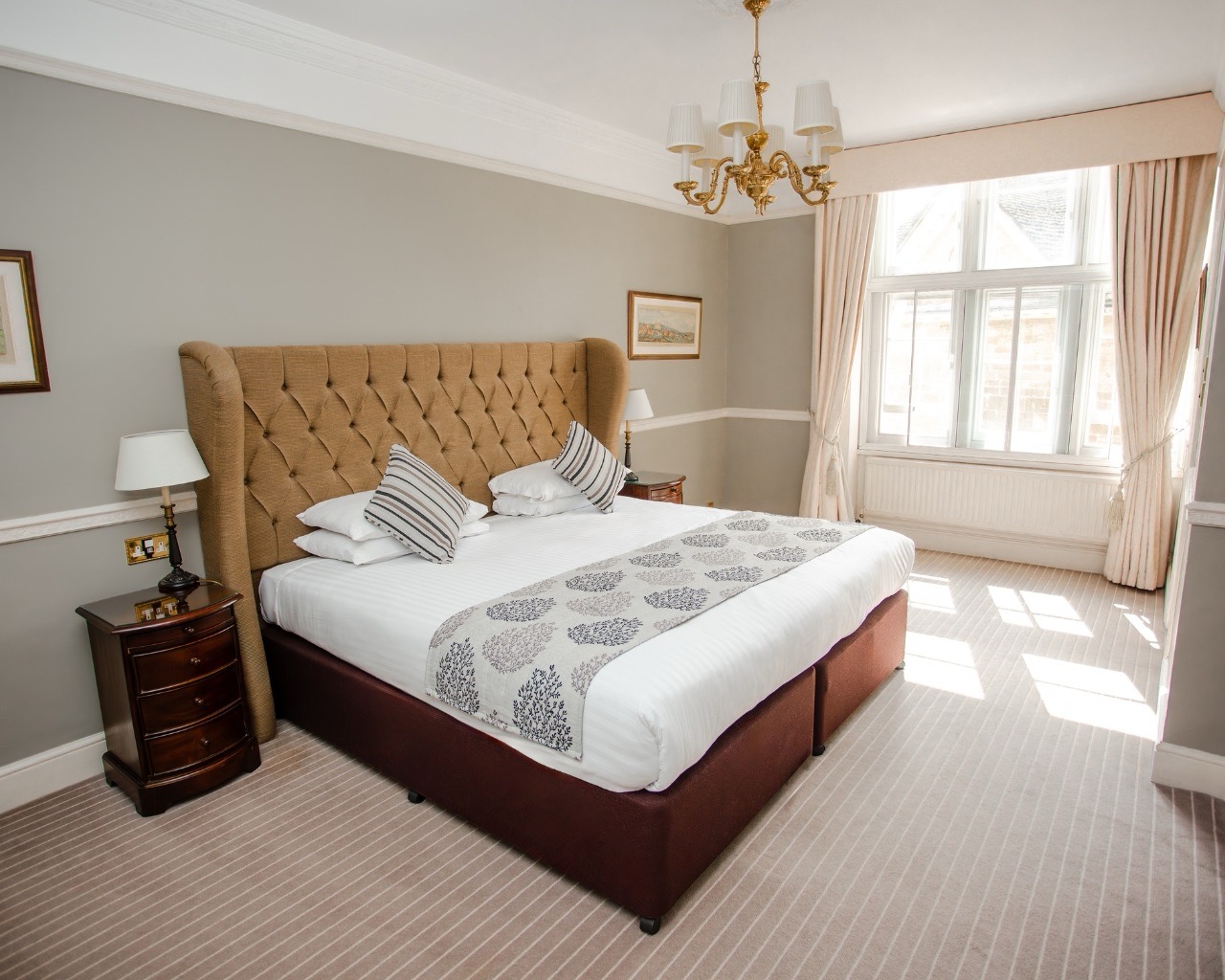
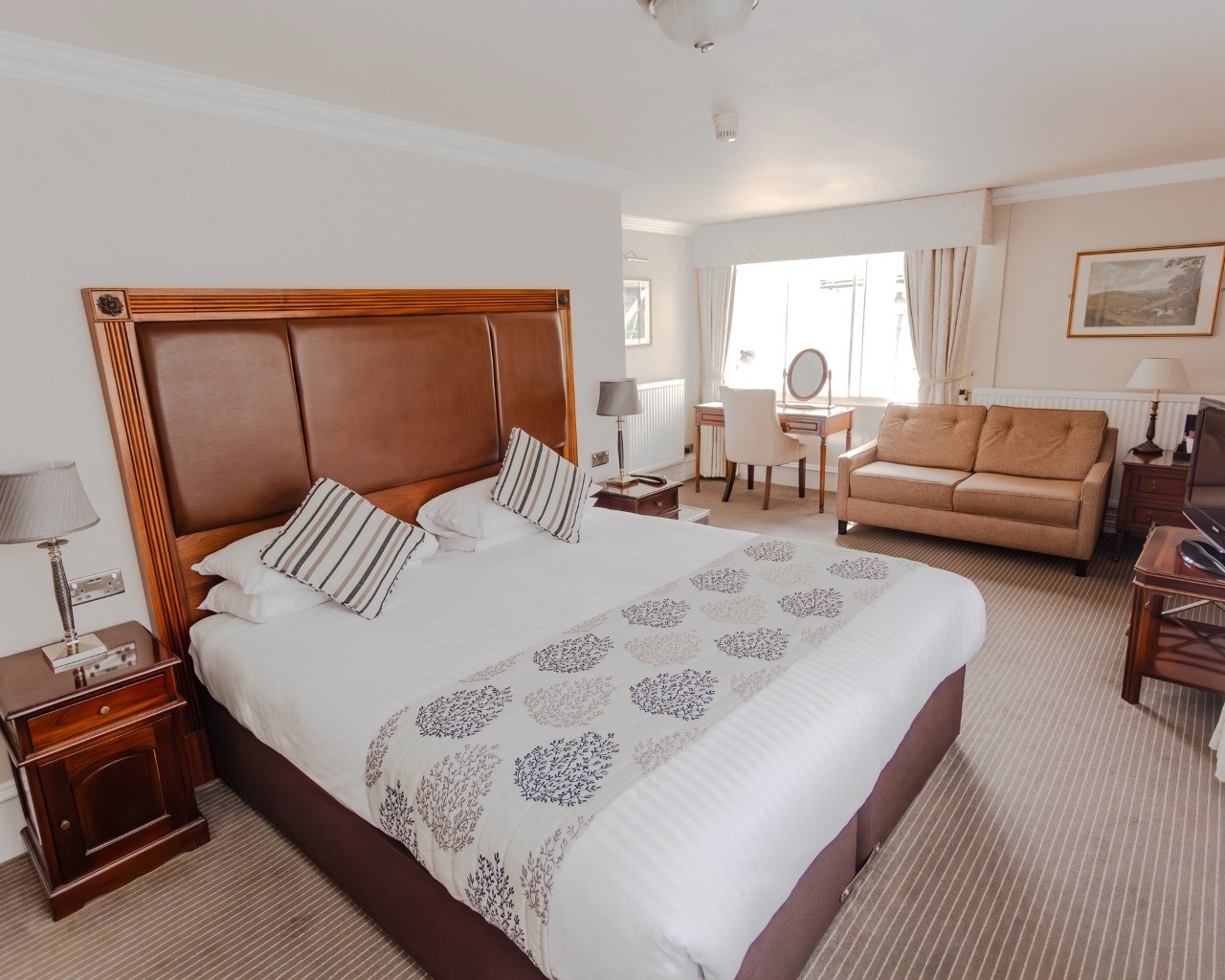
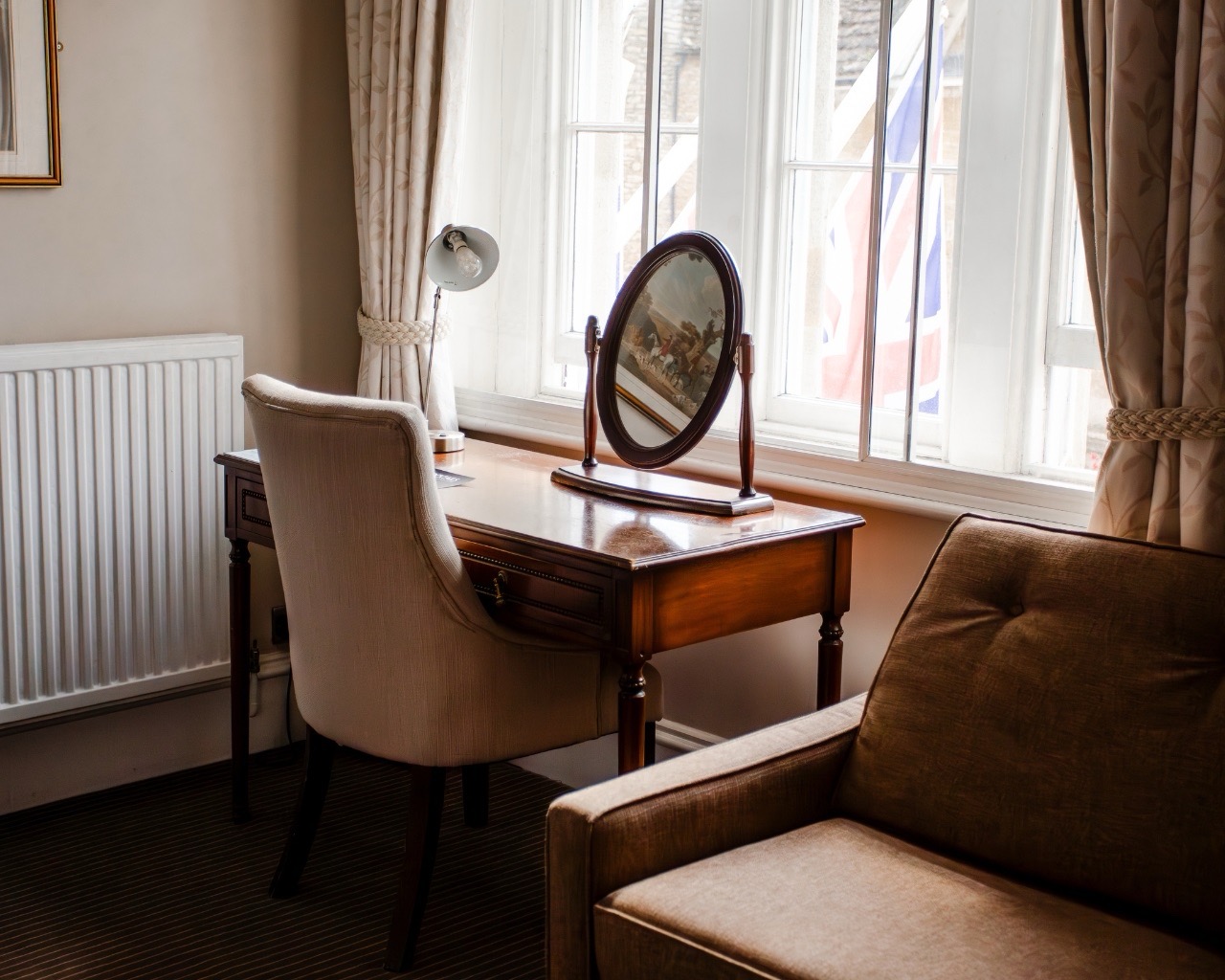
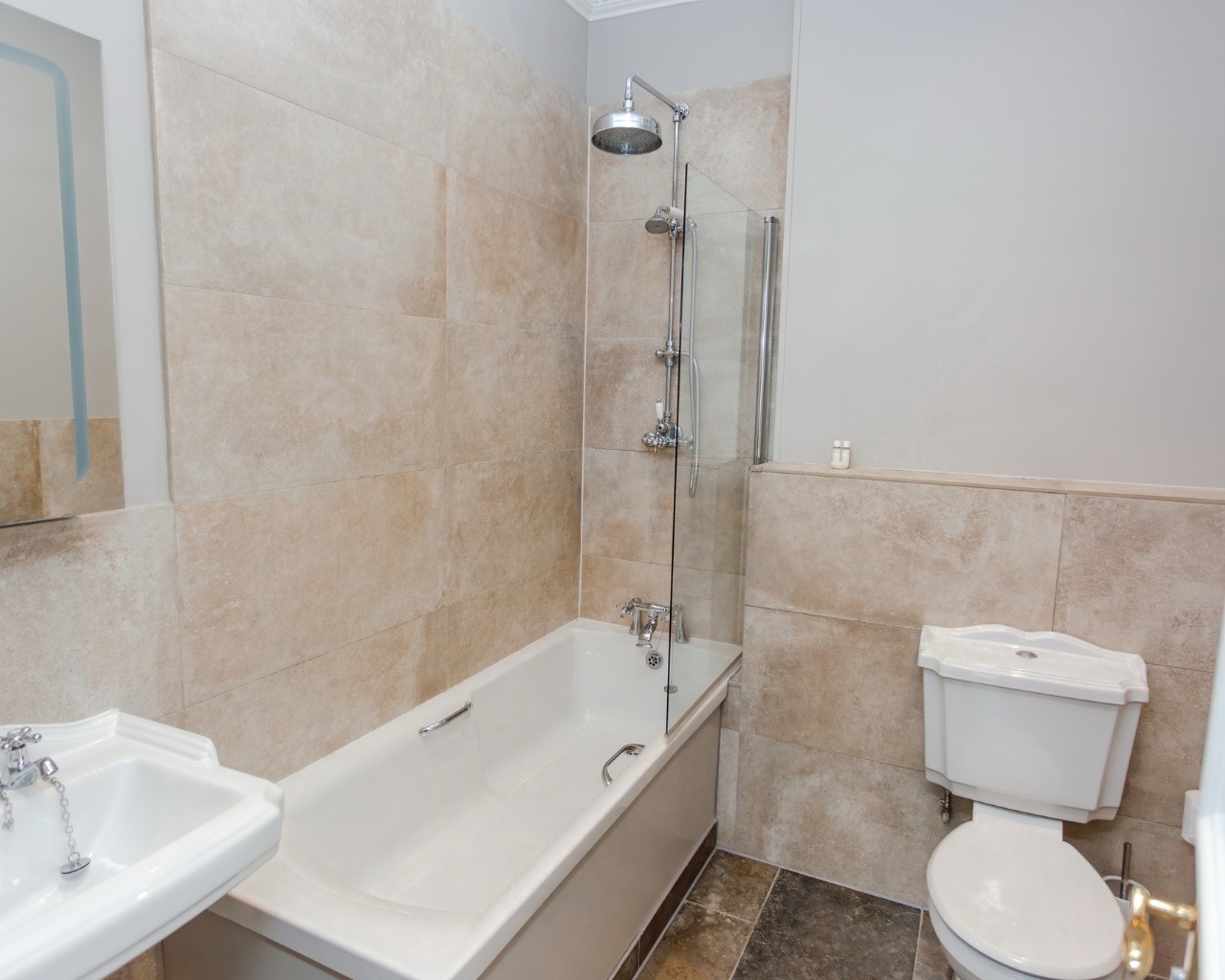
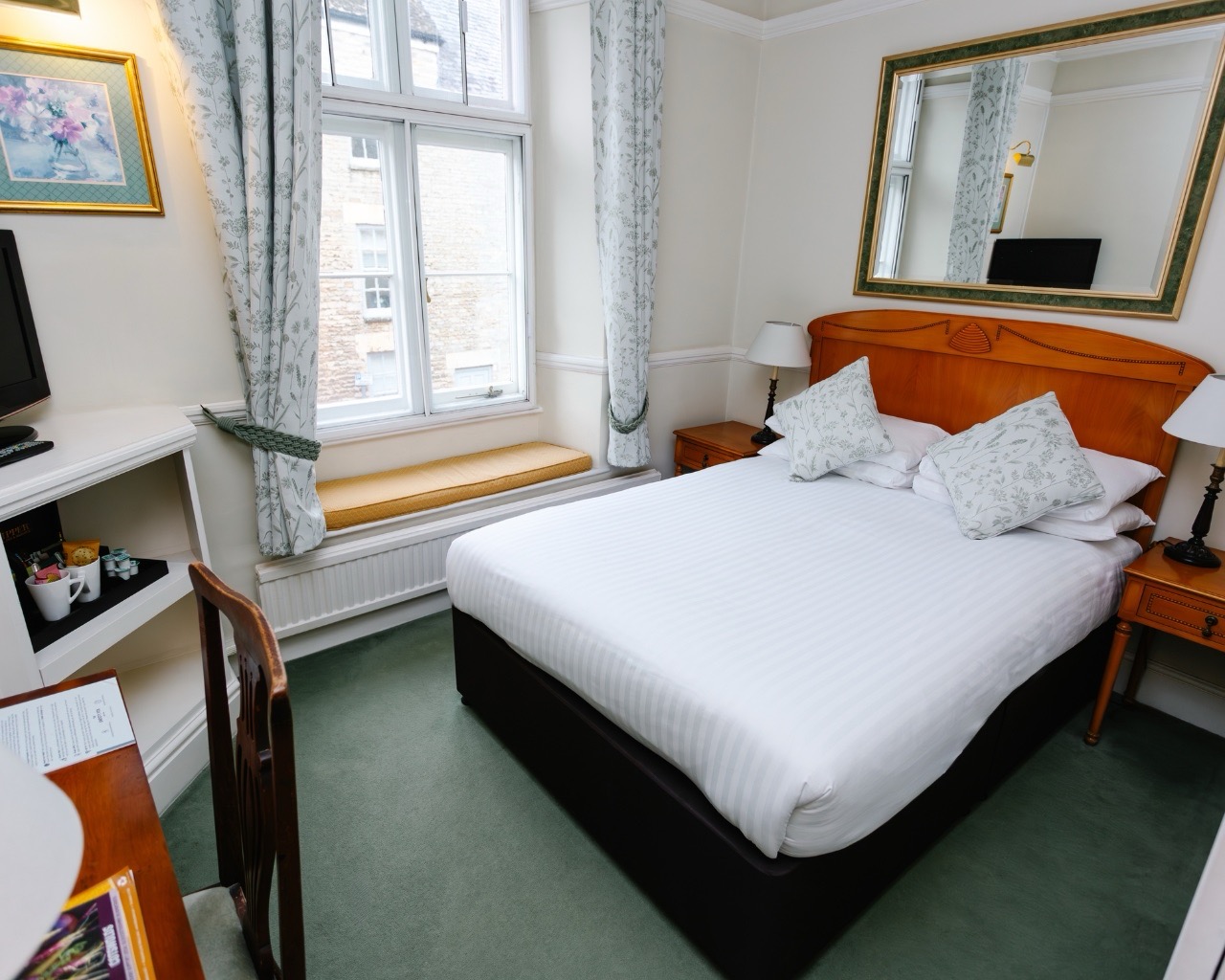
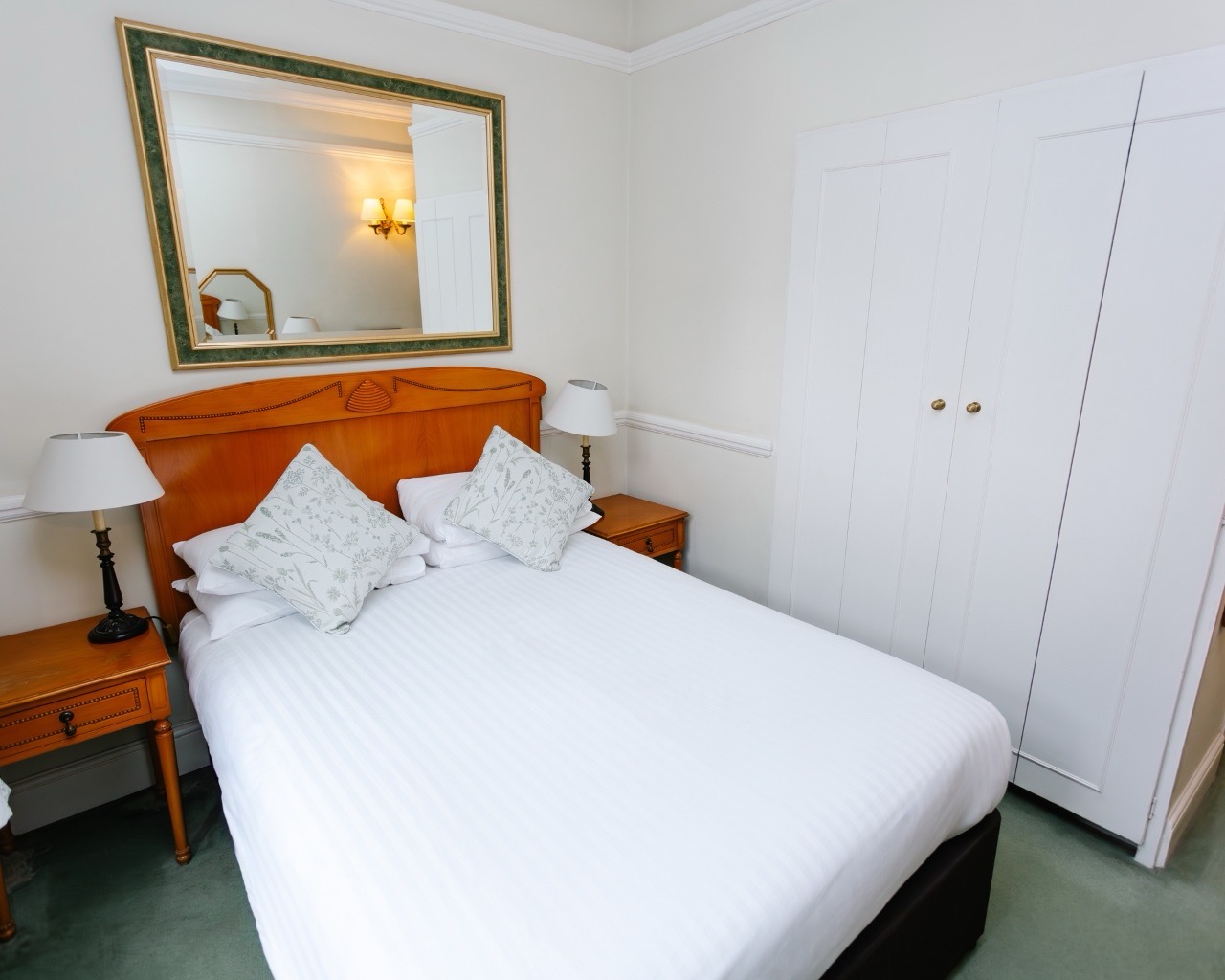
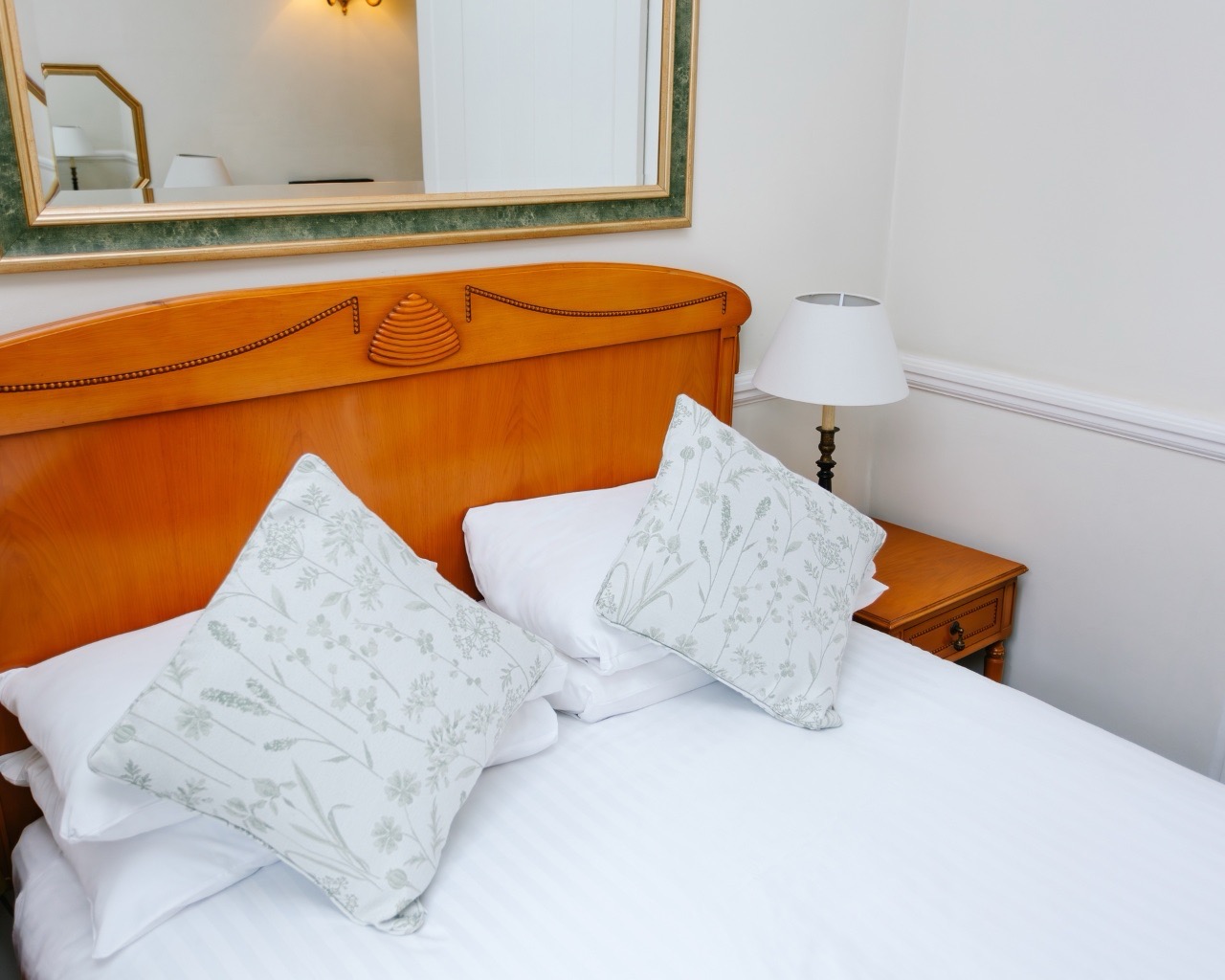
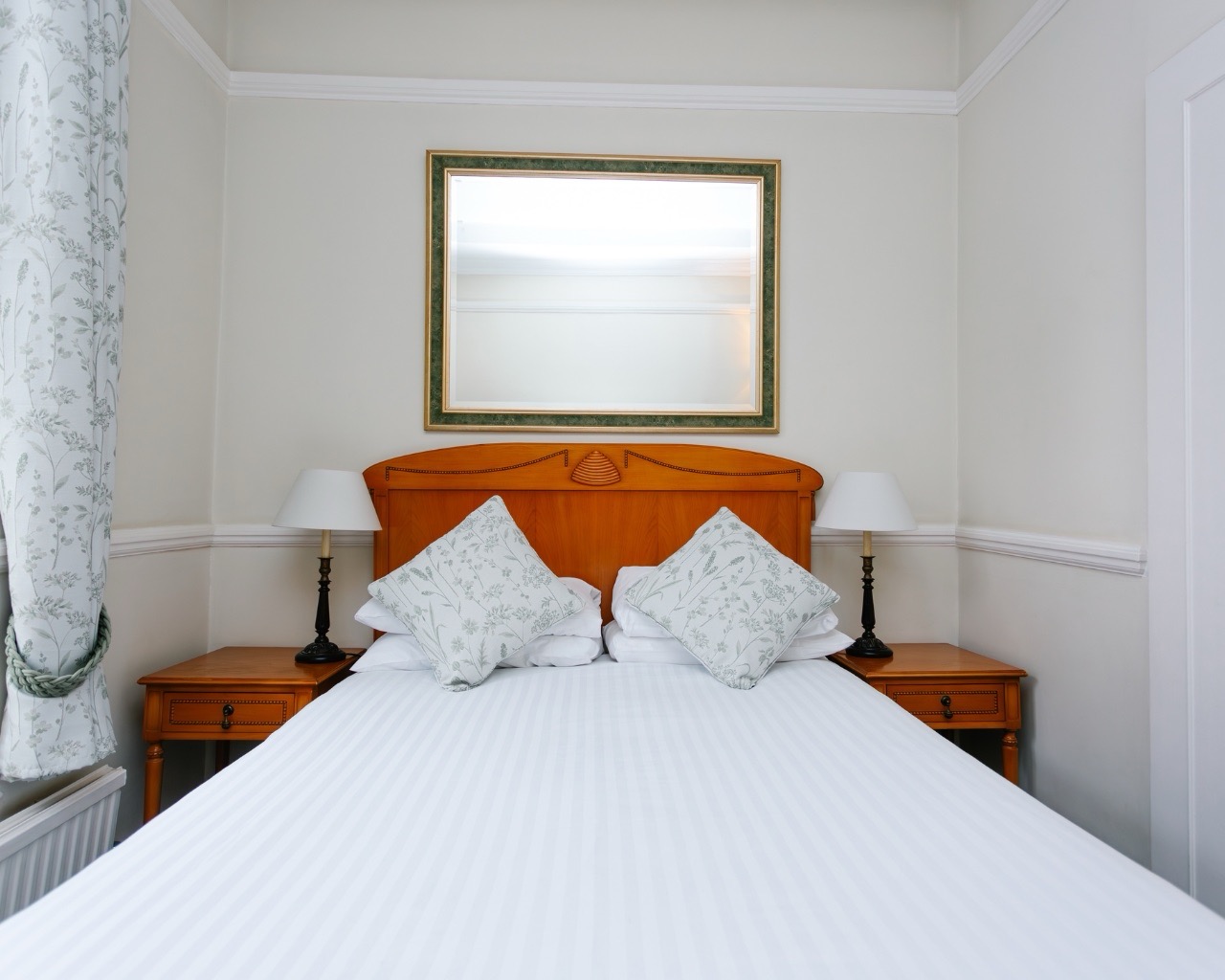
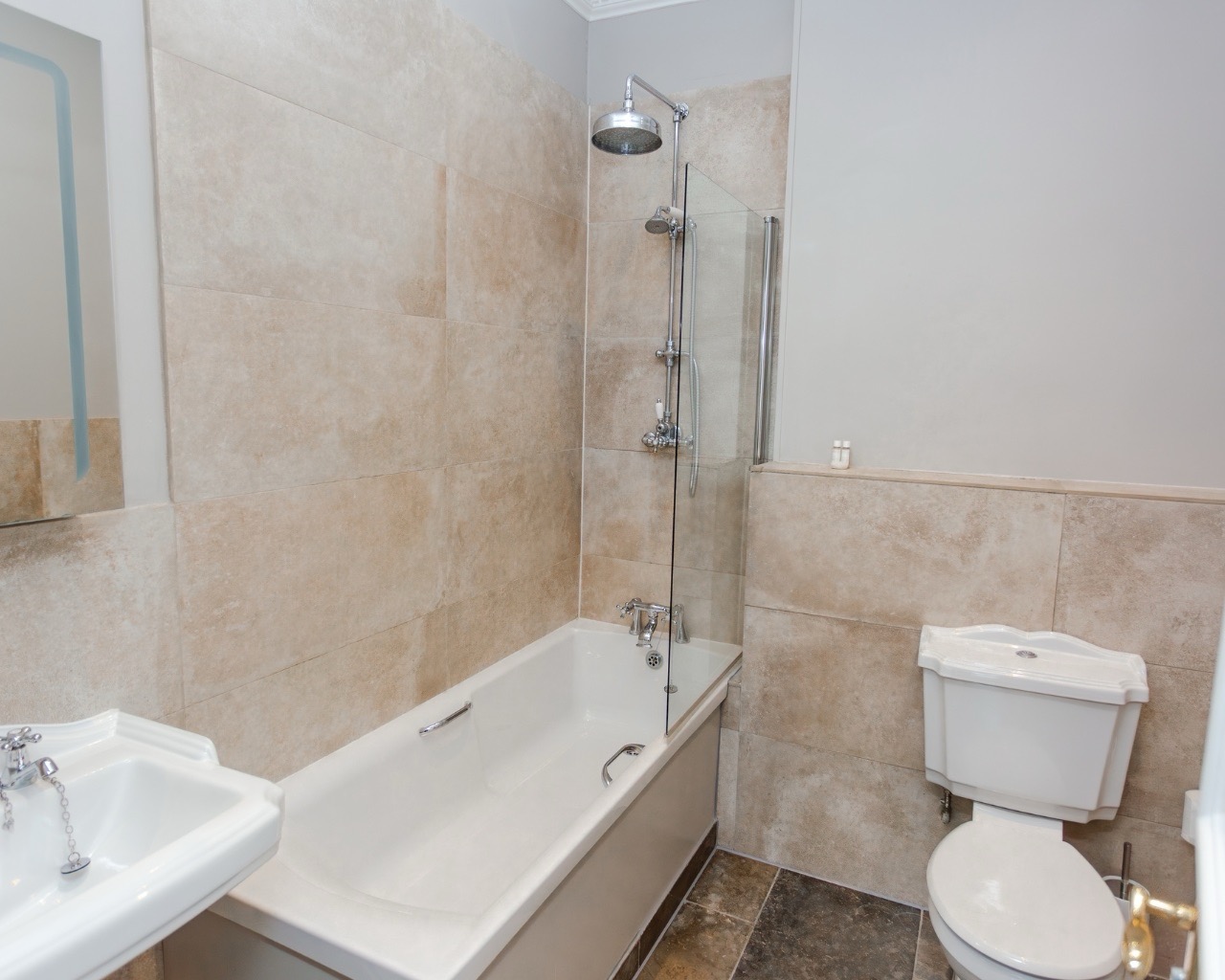
The Snooty Fox offers a place to stay when you’re planning more than an evening out. Based in Tetbury in the Cotswolds, it’s a separate option for a wider trip, rather than a bar in Bath. Choose from a Four Poster Room, Superior Room, Standard Double Room or Compact Double Room, depending on the style of stay you have in mind. Each gives you a comfortable base for enjoying the surrounding area at a gentler pace. If your Bath plans are part of a broader Cotswolds visit, an overnight stay can leave more room to enjoy the journey and your time away. For details about staying at The Snooty Fox, please contact the team.
Choosing a bar close by me in Bath is one part of planning a good night; deciding where to stay can make a wider break feel more relaxed. The Snooty Fox is in Tetbury, so it’s an option to consider when your plans include time in the Cotswolds as well as an evening out. Choose from a Four Poster Room, Superior Room or Standard Double Room to suit the kind of stay you have in mind.
Let the mood of the evening guide your plans, then leave space for the pleasures around it: good company, a favourite drink and an unhurried start the next day. For a stay at The Snooty Fox, contact The Snooty Fox. Here’s to finding a pace and place that feel just right.
Use a map app with location access enabled and search for bars nearby. In Bath, narrow the results by the kind of visit you have in mind, such as a pub for conversation or a cocktail bar for a special evening. If location access is off, enter a nearby landmark or street instead. This gives you a more useful starting point than searching across the whole city.
Use a map app’s “open now” filter to see venues listed as currently open. Opening information can differ for a special event or seasonal schedule, so check for a recent update on the venue’s own listing before setting off. If you’re meeting friends, share the chosen venue and its stated closing time so everyone can plan their arrival and journey home.
The closest options depend on your exact starting point and walking route, so there’s no single distance that applies to everyone. Enter your current location or a nearby landmark, then select walking directions to compare routes. Check the route itself, not just the distance shown: a pedestrian entrance or street layout can make the practical walk different from a straight-line estimate.