14 July 2026

What if a single building could whisper the secrets of four centuries, from the clatter of 16th-century carriages to the quiet clink of modern wine glasses? Exploring The Snooty Fox Tetbury history is like opening a beautifully bound book where every page reveals a new layer of Cotswold life. You’ve likely visited historic landmarks before only to be met with a dry list of dates that fails to capture the true spirit of the place. It’s easy to feel disconnected when heritage is presented as a cold timeline rather than a lived experience.
We’re here to change that by diving deep into the fascinating evolution of this Grade II listed landmark. You’ll discover how the 16th-century core of the original White Hart was reimagined in the 1850s by the influential Holford family, creating the architectural masterpiece we see today. From its grand Dutch gables to the playful story behind its modern name, this journey through the inn’s past will help you appreciate every stone and beam of this characterful retreat.
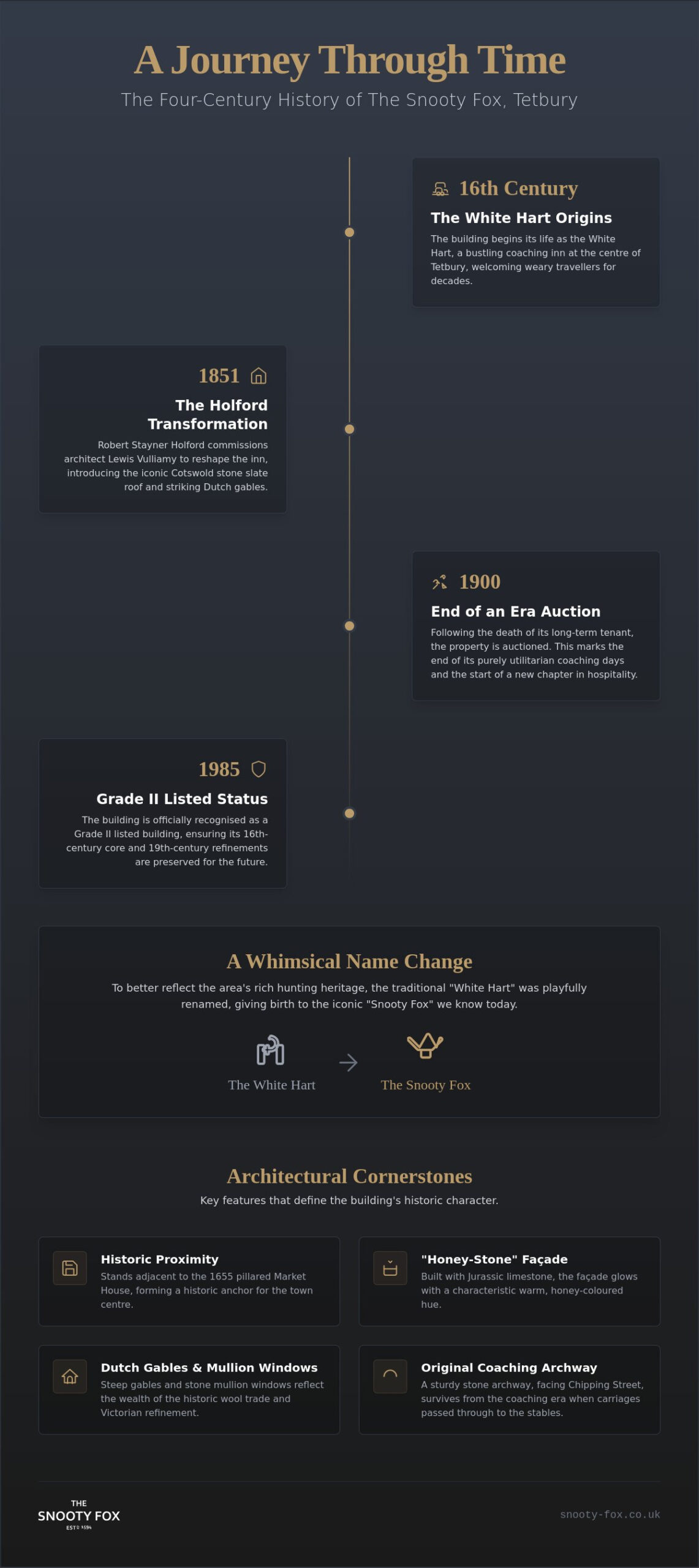
Long before the whimsical fox appeared on the sign, this building was known as the White Hart. Sitting proudly in the historic market town of Tetbury, it served as a bustling coaching inn, welcoming weary travellers since at least the late 16th century. Understanding The Snooty Fox Tetbury history requires looking past the charming facade to the people who shaped its stones. For decades, the inn was tied to a “pledge” made to Richard Edwards, a long-term tenant. This promise ensured the property couldn’t be sold whilst he remained, effectively freezing the inn in a state of quiet anticipation until his death at the turn of the century.
The era of the White Hart reached its crescendo in December 1900. Following the death of Richard Edwards, the property finally went under the hammer. Auction catalogues from the time describe a labyrinth of stables and a grand archway designed for the finest carriages. These stables, later affectionately known as “The Palace,” were more than just shelter for horses; they were a hub of social activity. This sale marked the end of the inn’s strictly utilitarian coaching days, paving the way for the refined, independent hospitality that guests still enjoy when staying in a signature Four Poster Room today.
On 21 March 1985, the building was officially recognised as a Grade II listed building. This designation is a cornerstone of The Snooty Fox Tetbury history, ensuring that its late 16th-century core and subsequent 19th-century refinements remain untouched for future generations. When you stand at the entrance, you’ll notice a striking visual dialogue between the inn and the adjacent 1655 pillared Market House. Together, these structures form a historic anchor for the town, representing centuries of commerce and community life.
The sensory experience of the architecture is undeniably Cotswold. The “honey-stone” facade glows with a particular warmth in the afternoon sun, a tactile reminder of the Jurassic limestone that defines this region. Look towards Chipping Street and you’ll find the original stone archway. It’s a sturdy, surviving element of the coaching era that once saw heavy horses and carriages passing through to the stables. These structural details aren’t just decorative; they’re the physical bones of the town’s heritage.
The exterior serves as a masterclass in traditional building techniques. Stone mullion and transom windows sit beneath steep Dutch gables, reflecting the immense wealth and status brought to the area by the historic wool trade. Every block of local stone was chosen for its durability and character, creating a facade that feels as though it grew naturally from the Gloucestershire landscape.
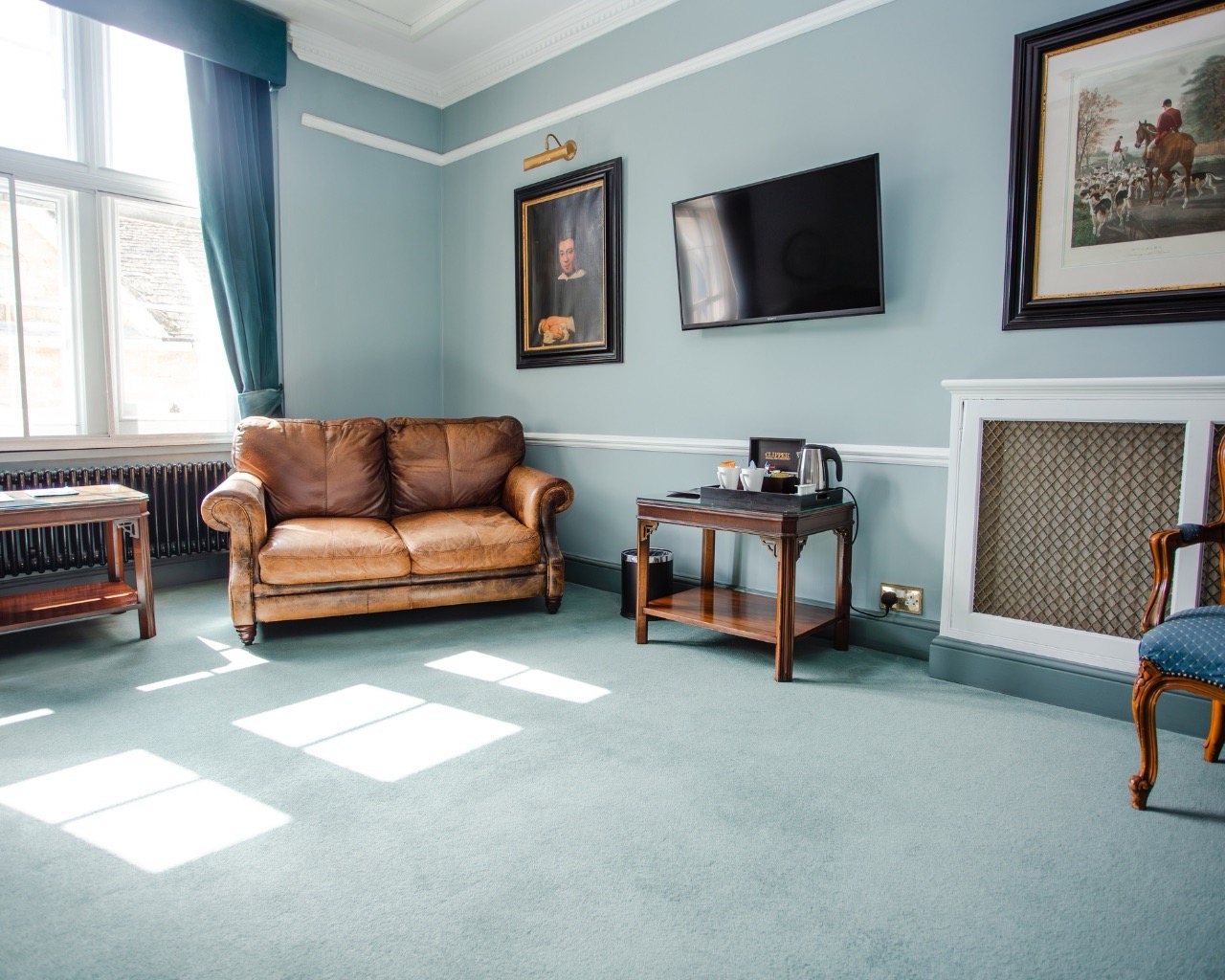
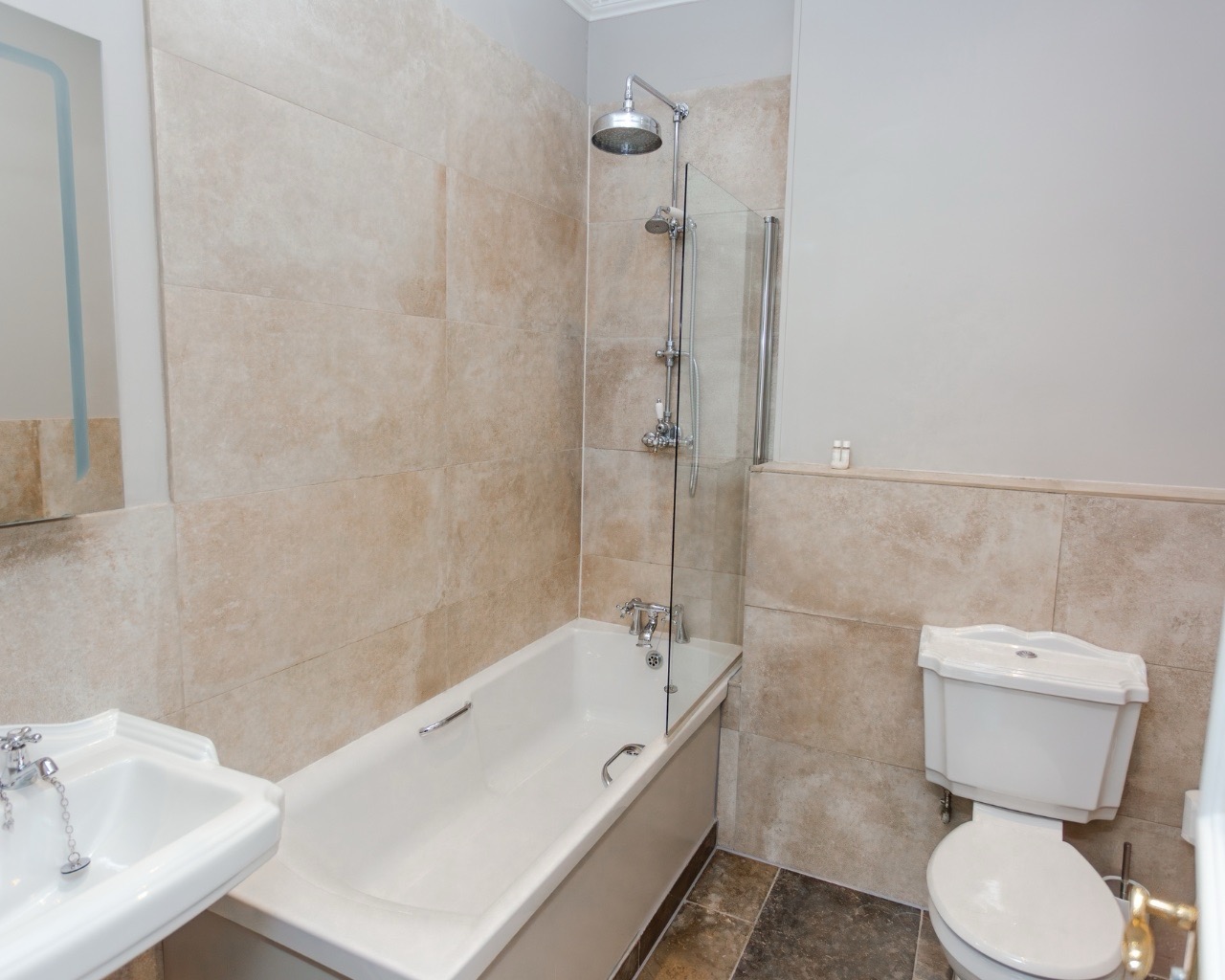
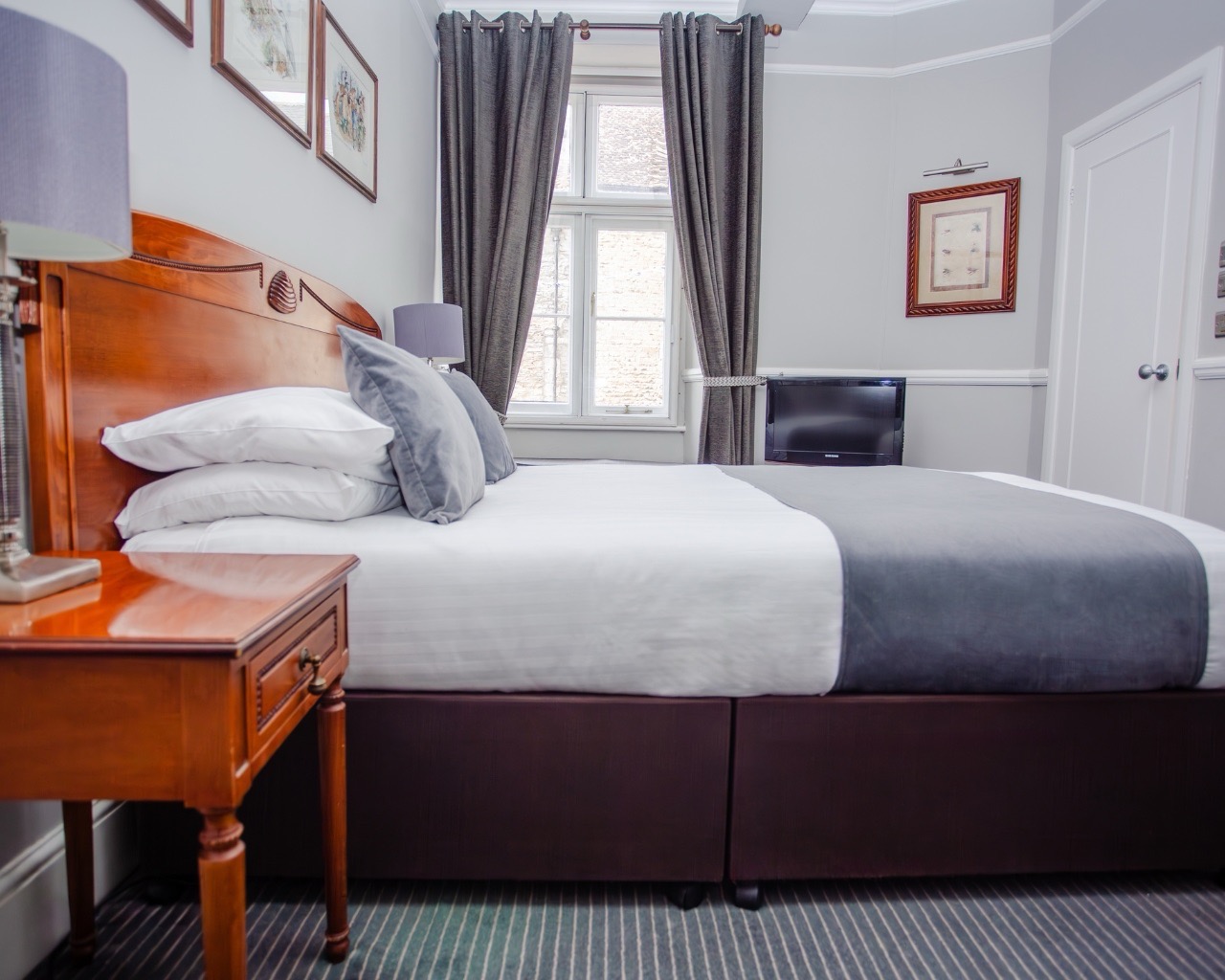
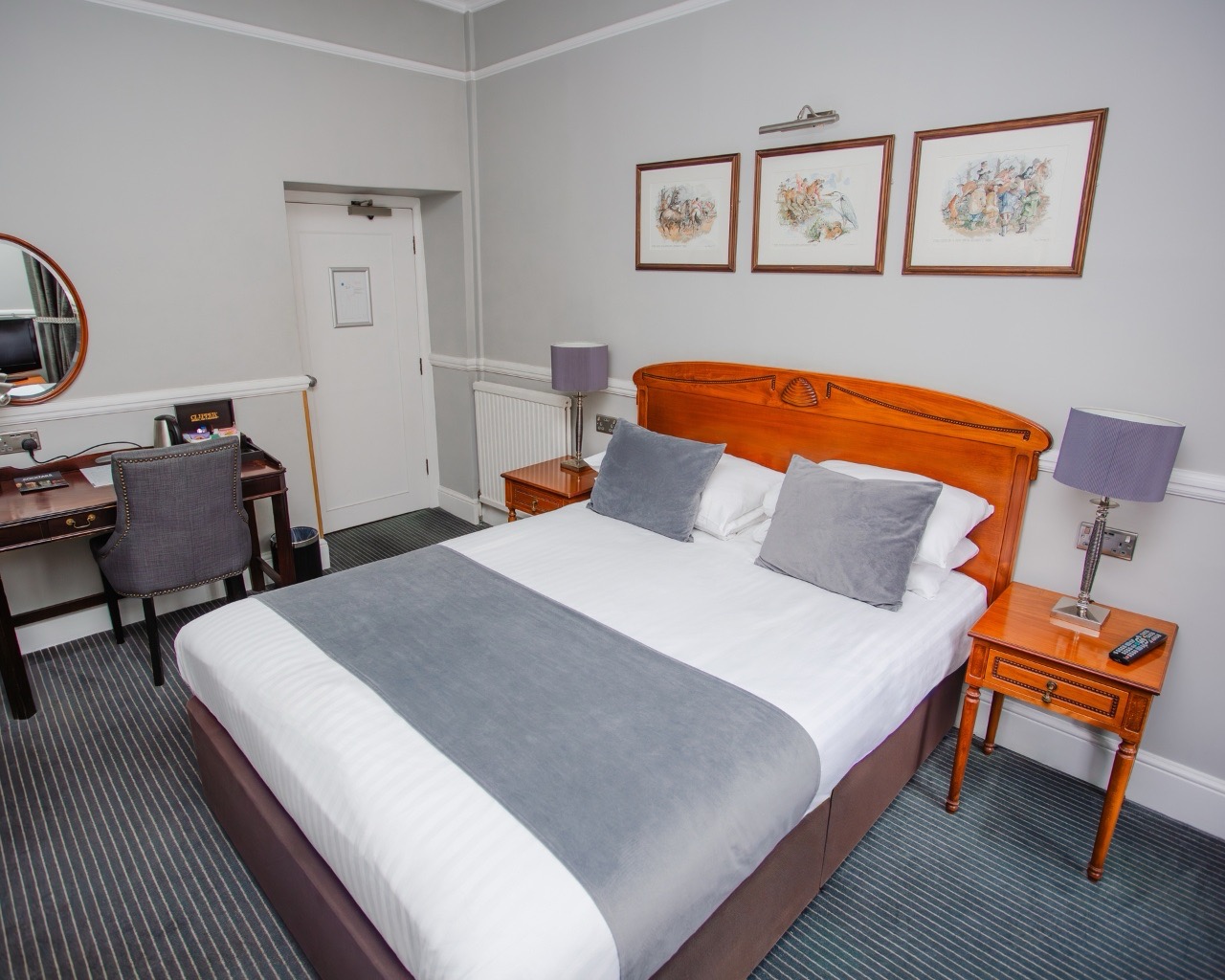
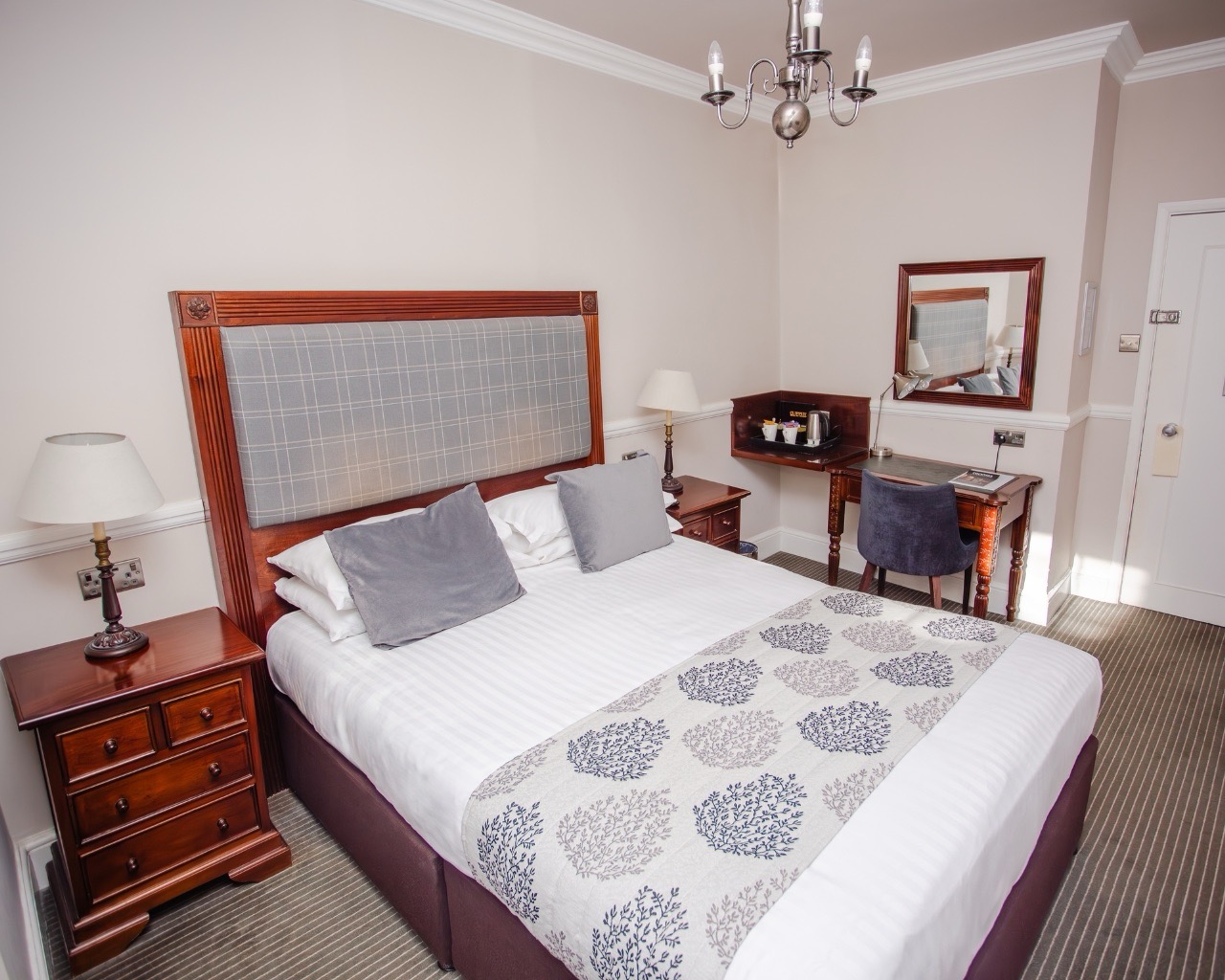
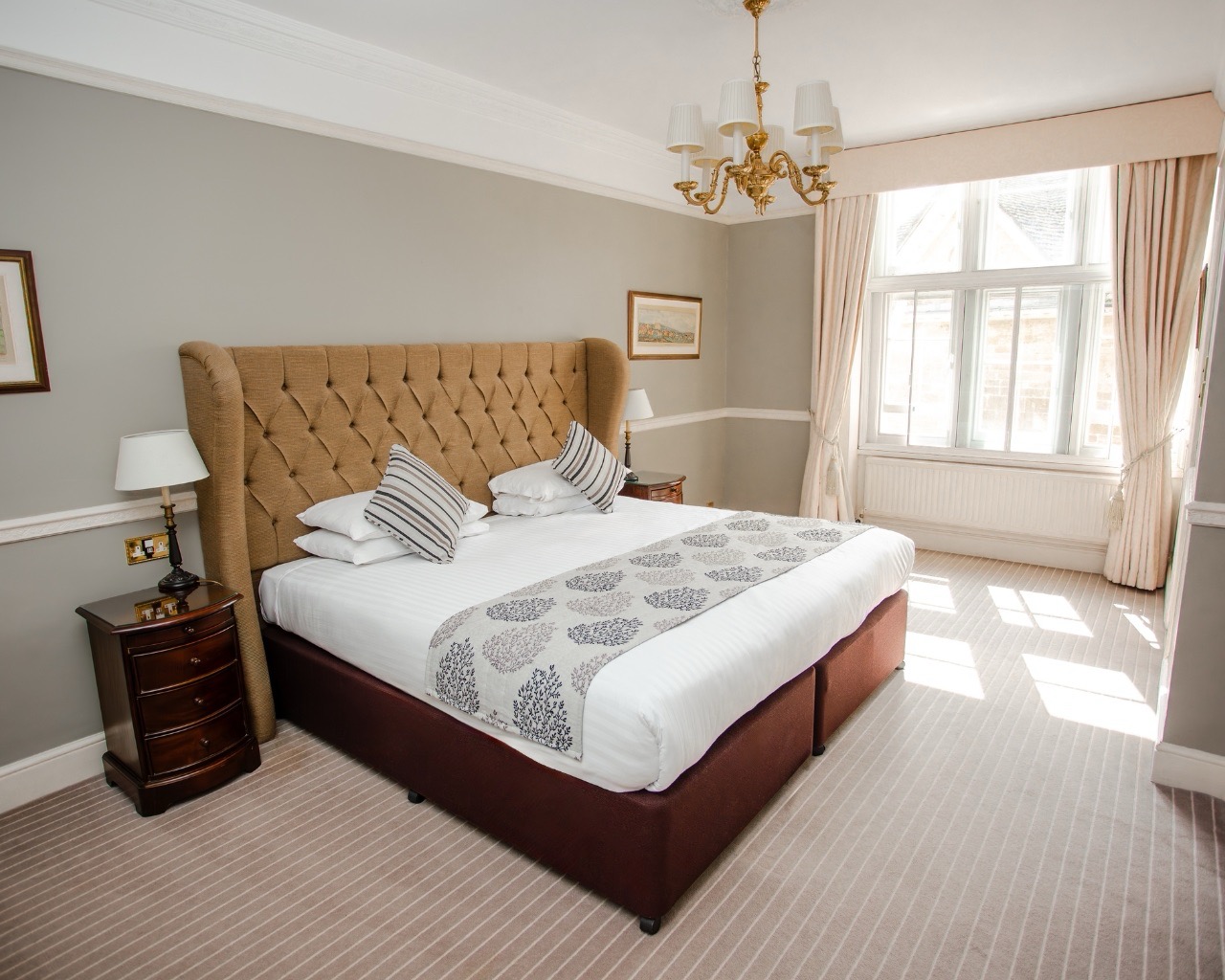
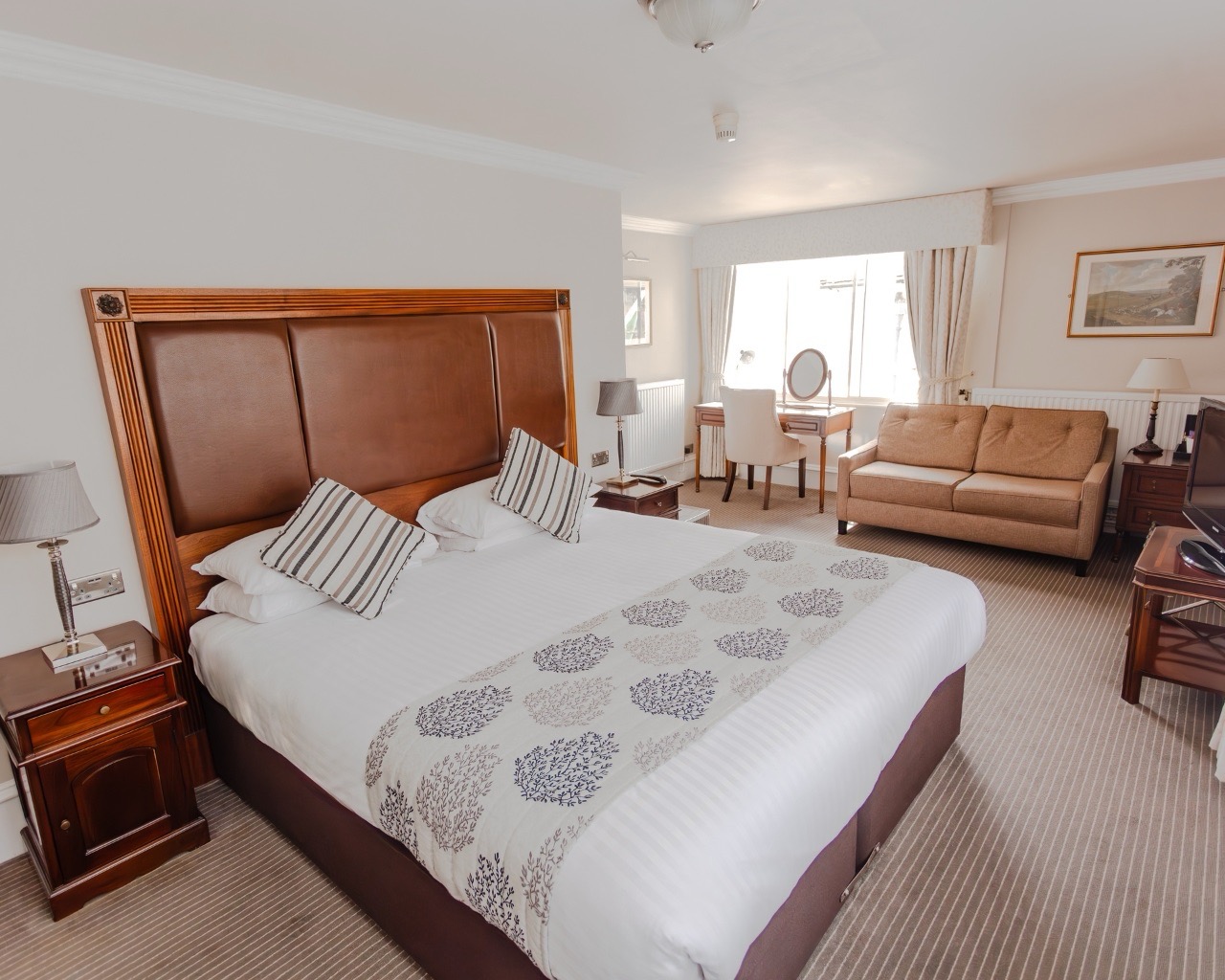
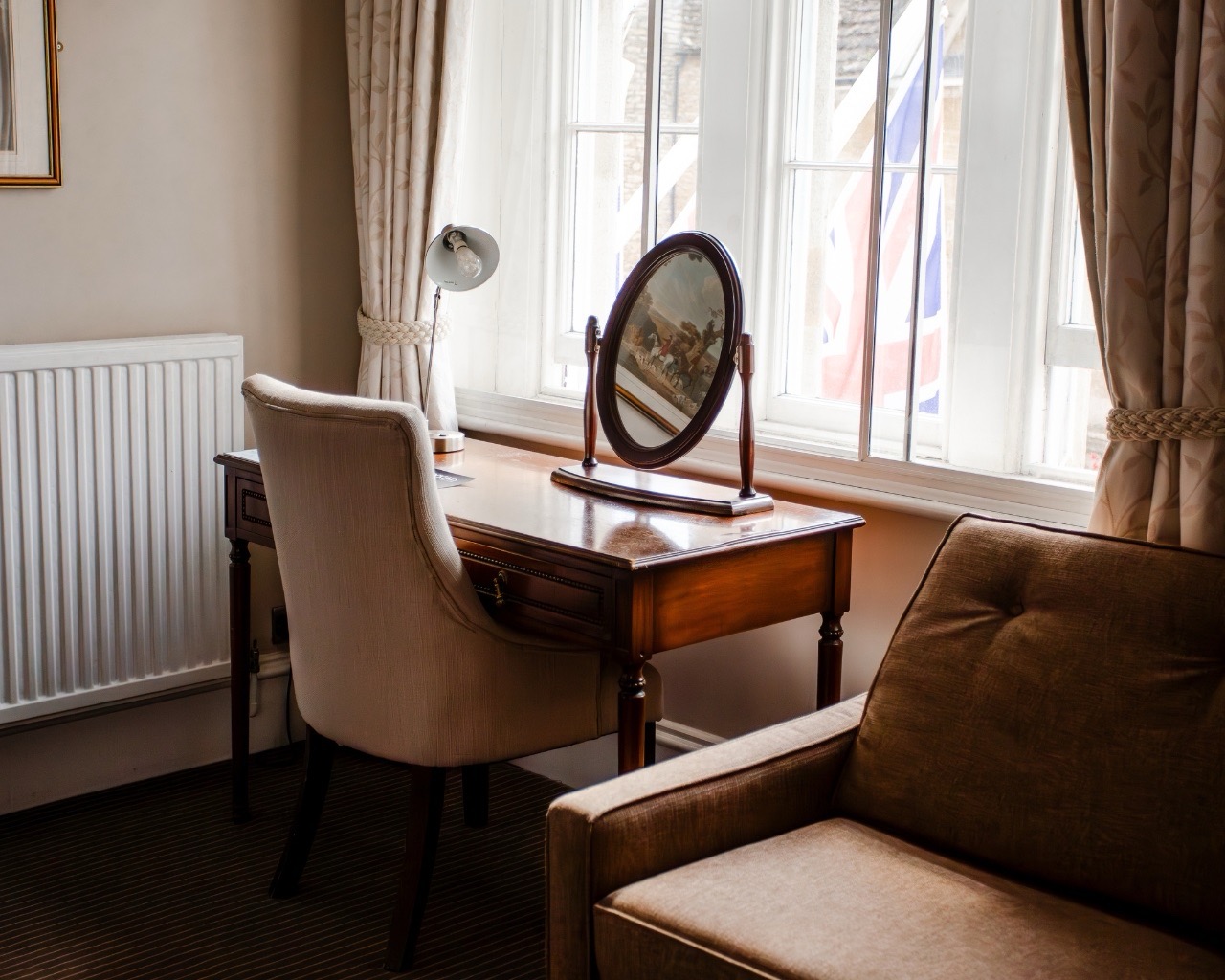
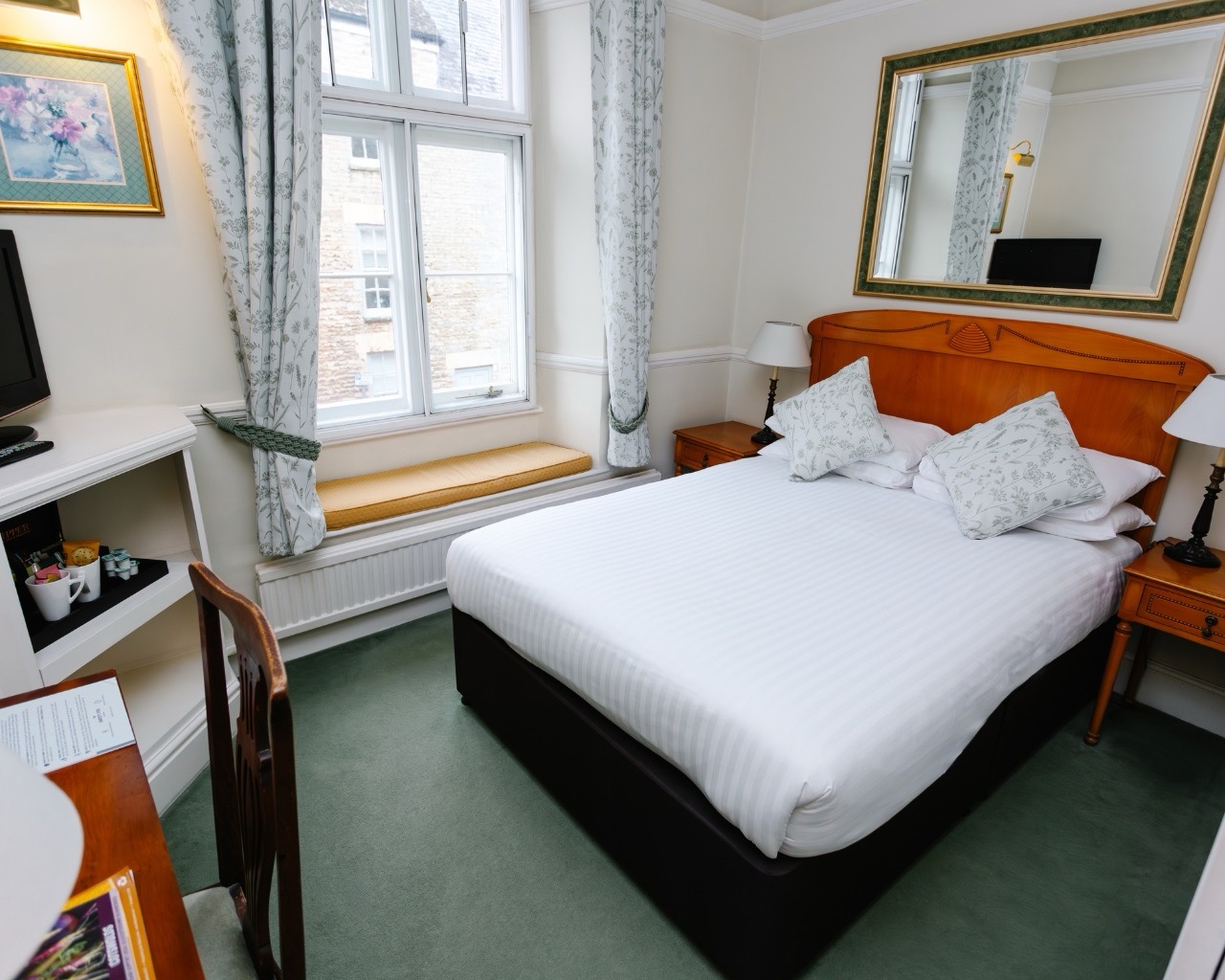
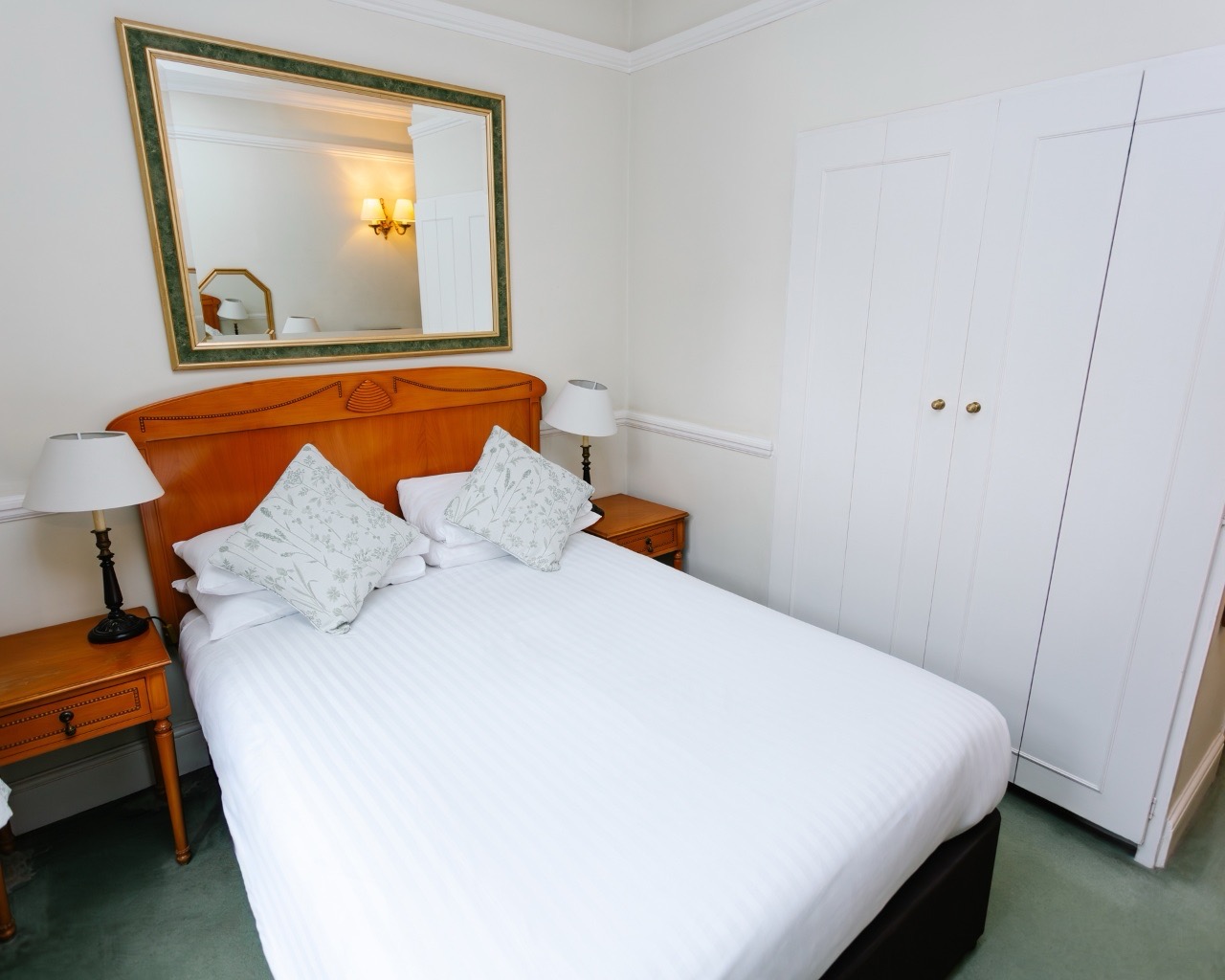
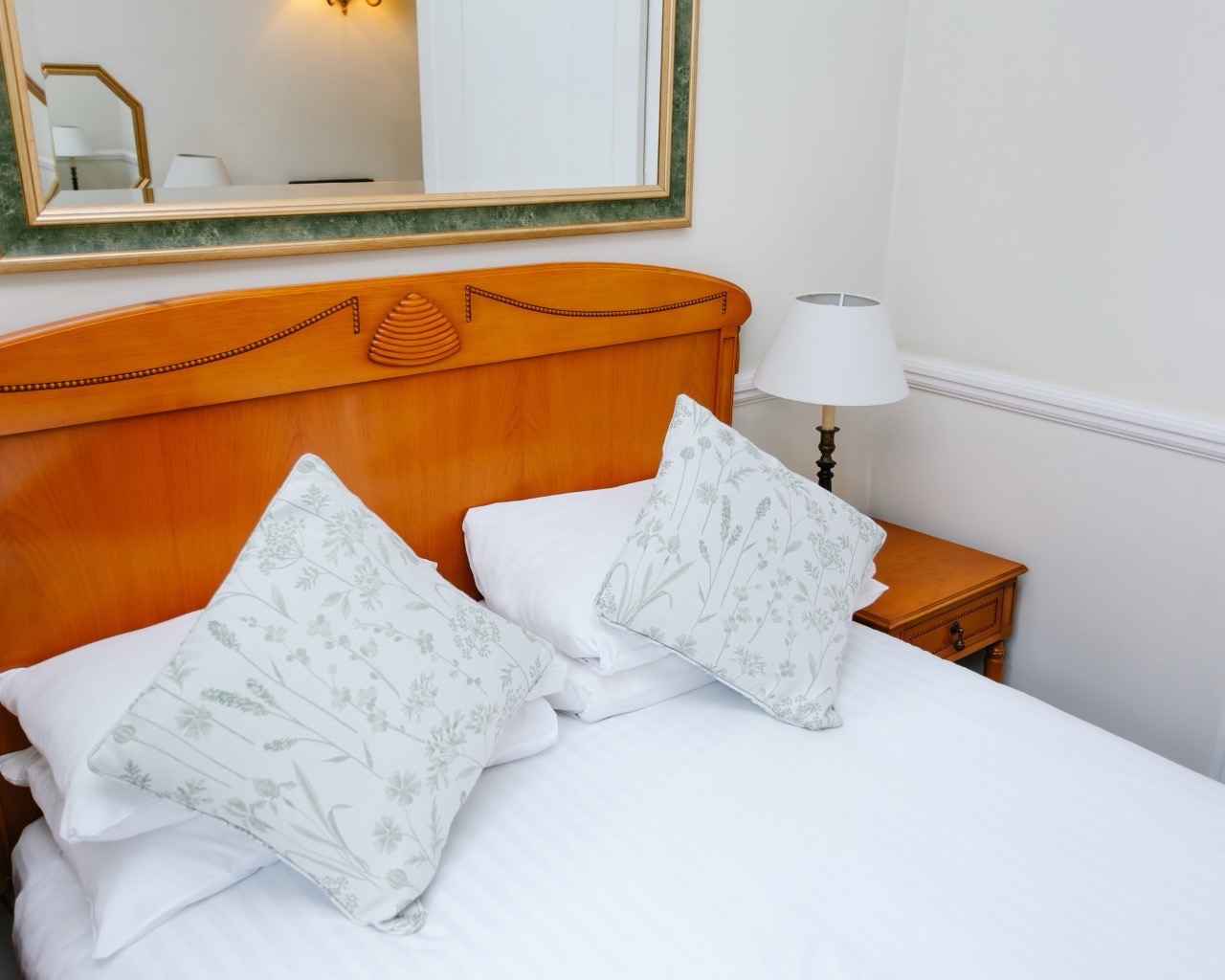
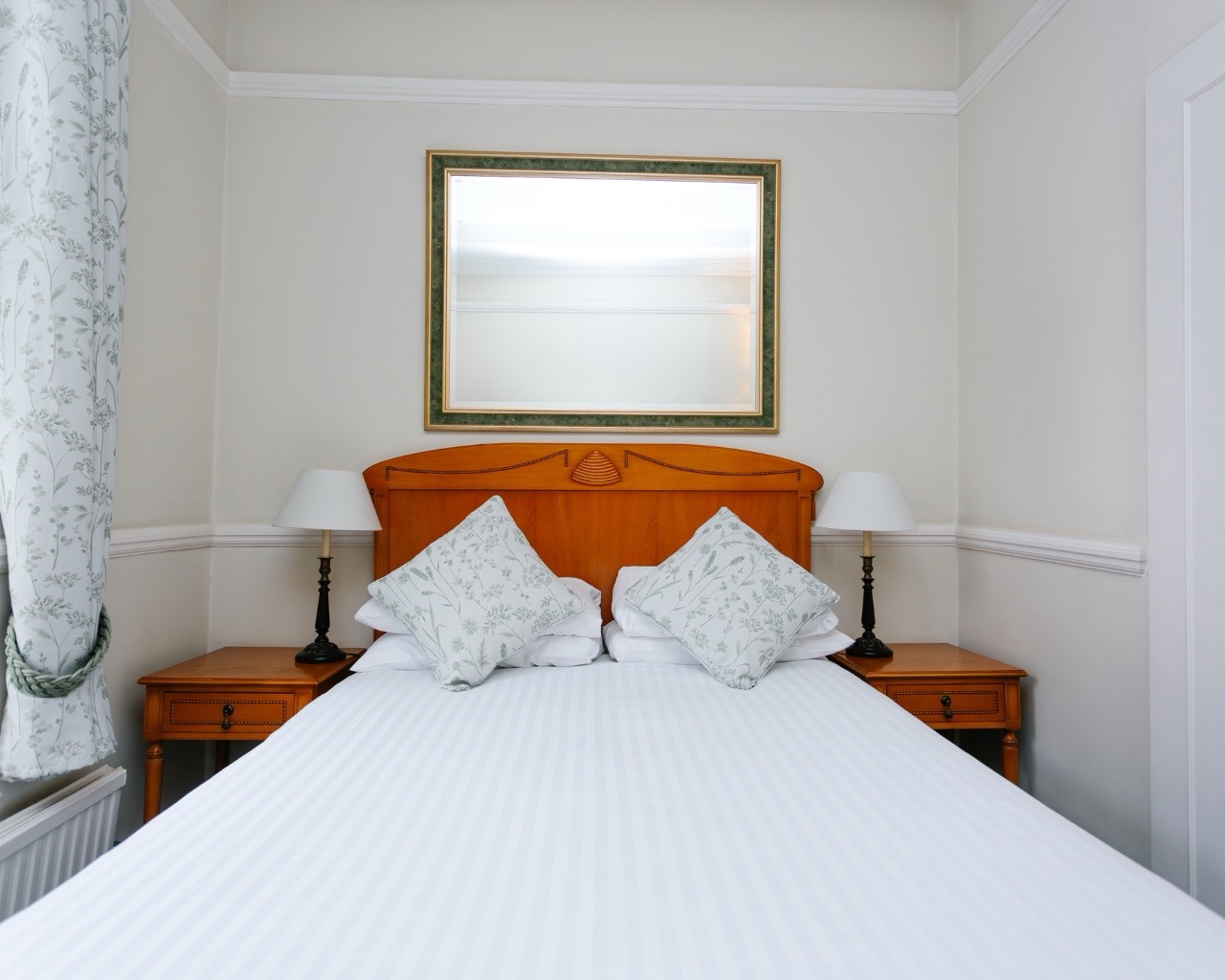
Inside, the layout remains delightfully irregular. The 12 guest bedrooms have been carefully adapted from the original inn structure, preserving the characterful nooks and winding passages that hint at the building’s age. It’s a space where history is lived in rather than merely observed. To truly appreciate these period details, you might consider a stay in a Superior Room, where the blend of heritage and modern comfort is most gracefully balanced.
History isn’t just about stone and mortar; it’s about the laughter and music that once filled the rooms. Throughout The Snooty Fox Tetbury history, the inn has functioned as the town’s beating heart. It was a place where local gentry rubbed shoulders with antique hunters, all drawn by the warmth of the hearth and the promise of good company. Whilst the Official Grade II Listing documents its architectural bones, the building’s soul was forged in the grand social gatherings of the early 20th century.
One of the most glittering moments in the inn’s timeline was the 1909 Hunt Ball. Contemporary reports described a ballroom of “charming appearance,” illuminated by central gasaliers and flickering candlelight. It was the pinnacle of high-society Cotswold life. Fashionable guests arrived in their finery, turning the old coaching inn into a stage for glamour and celebration. This event cemented the building’s reputation as a premier social centre, a legacy that continues today for those looking to host their own Wedding Venue Hire in a setting steeped in such elegance.
Perhaps the most intriguing chapter of the story is the transition from the traditional “White Hart” to the “Snooty Fox.” This whimsical change occurred when the property was owned by the wife of tycoon Maxwell Joseph. Located in the core of Beaufort Hunt country, the new name was a playful nod to the local culture. It replaced the somewhat formal identity of the past with something characterful and slightly mischievous. This shift perfectly encapsulates the brand’s modern sensibility: a deep respect for tradition paired with a relaxed, unhurried attitude that doesn’t take itself too seriously.
Today, the building remains a characterful anchor of the town. Under the stewardship of the Hatton Collection, it has retained its independent spirit, ensuring that the weight of The Snooty Fox Tetbury history doesn’t feel like a dusty museum piece. Instead, it’s a living, breathing home for travellers. The transition from a bustling coaching inn to a modern retreat has been handled with a gentle hand. The bar and restaurant still honour that traditional “inn” atmosphere, where a warm welcome and a sturdy hearth remain the primary focus.
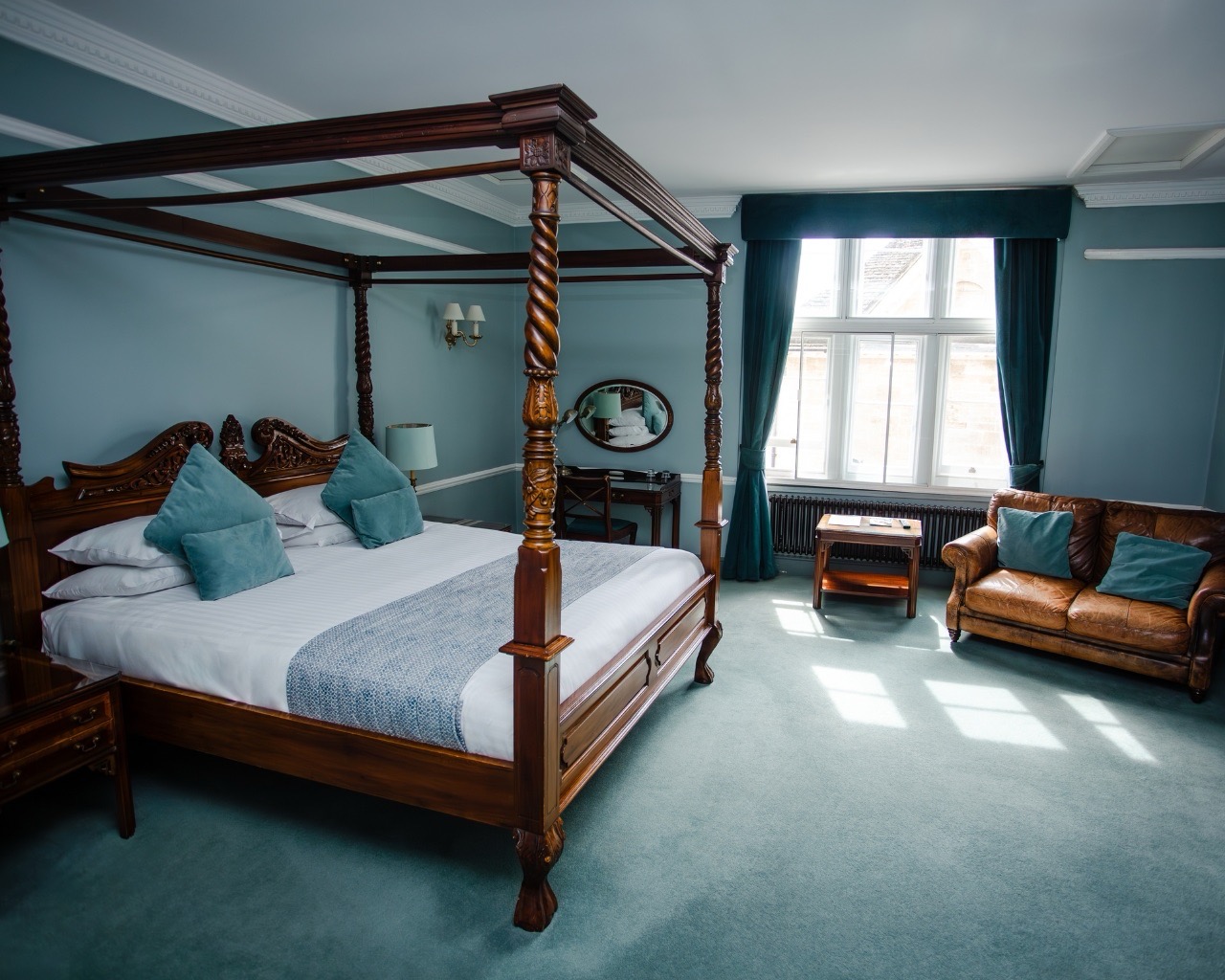
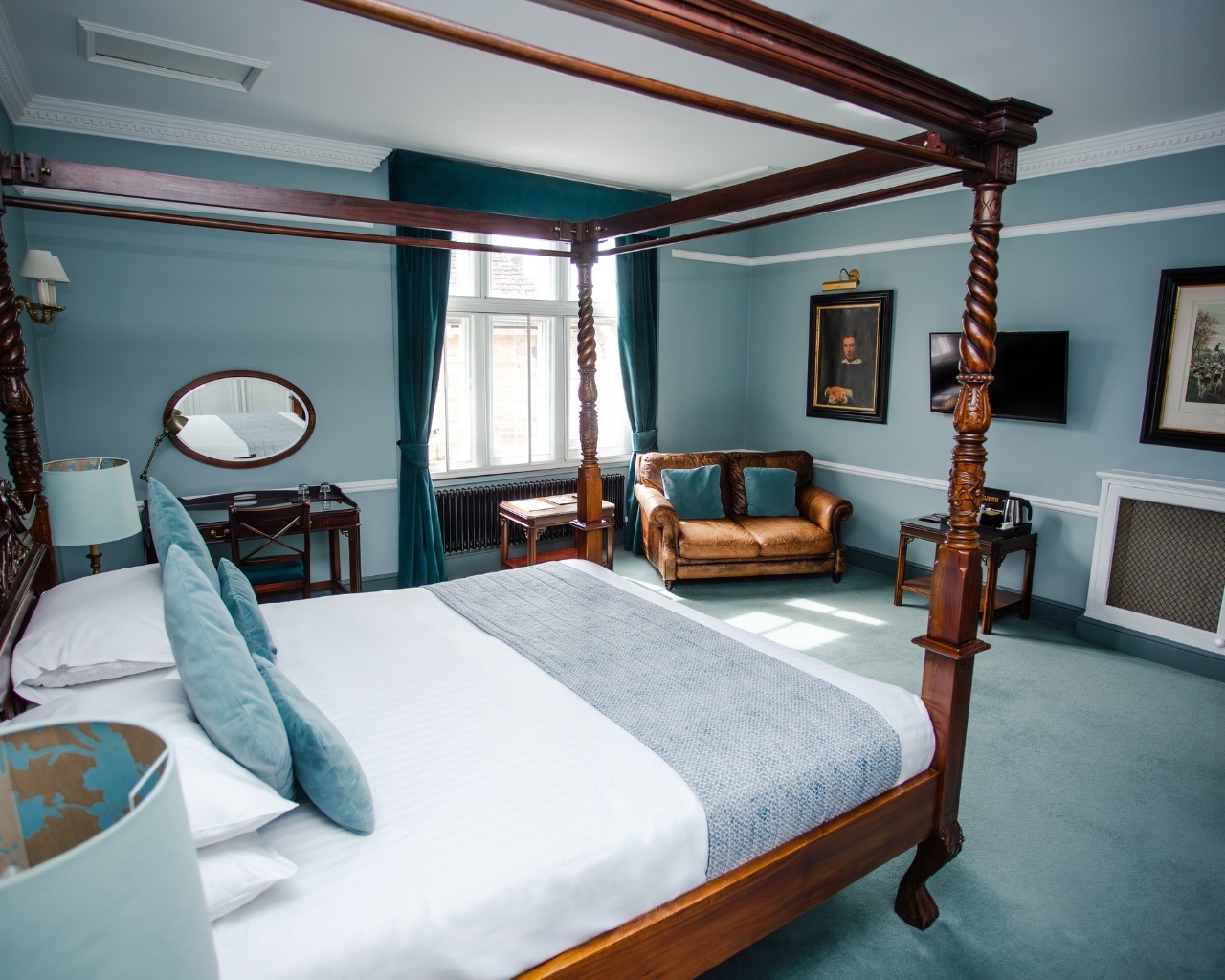
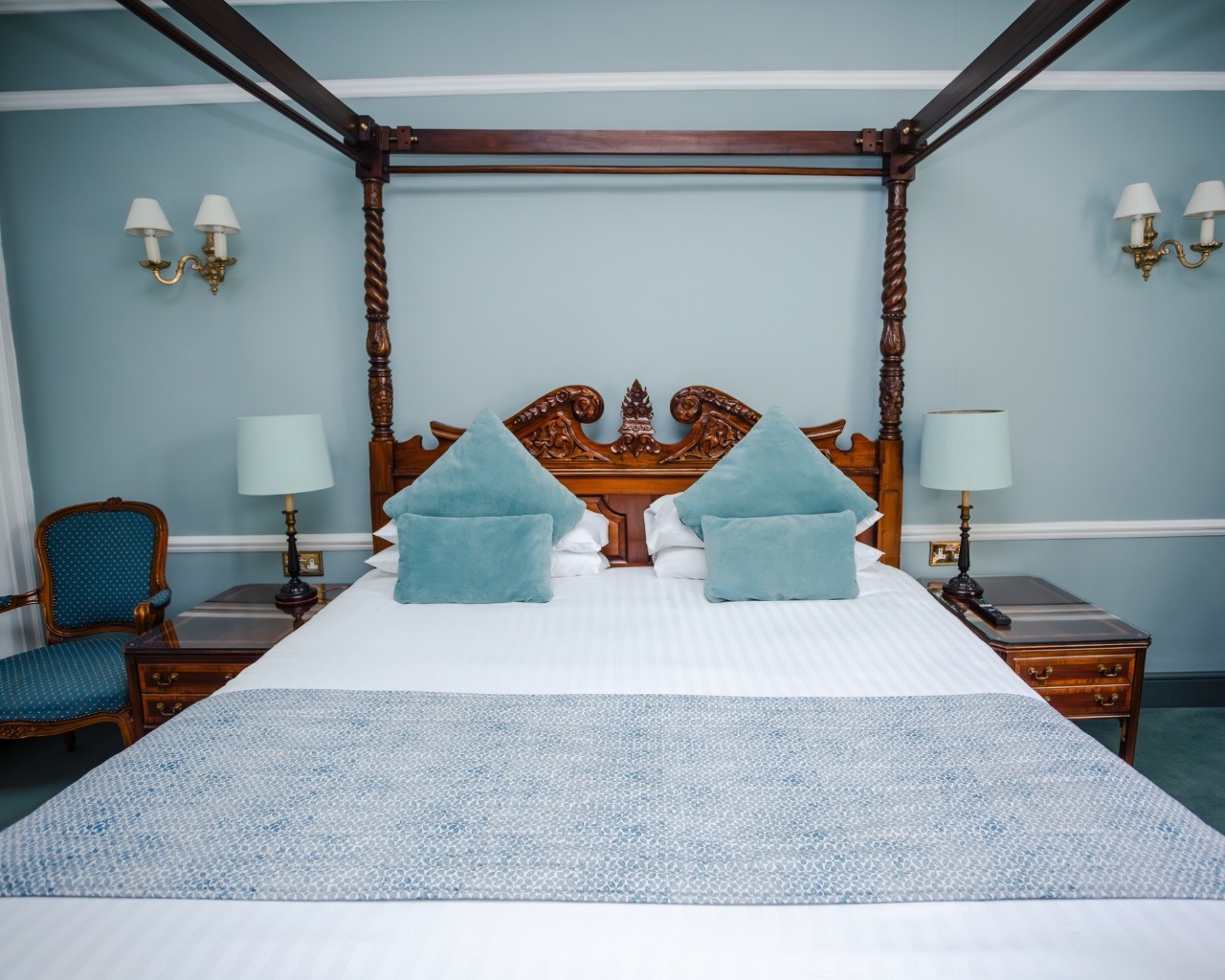
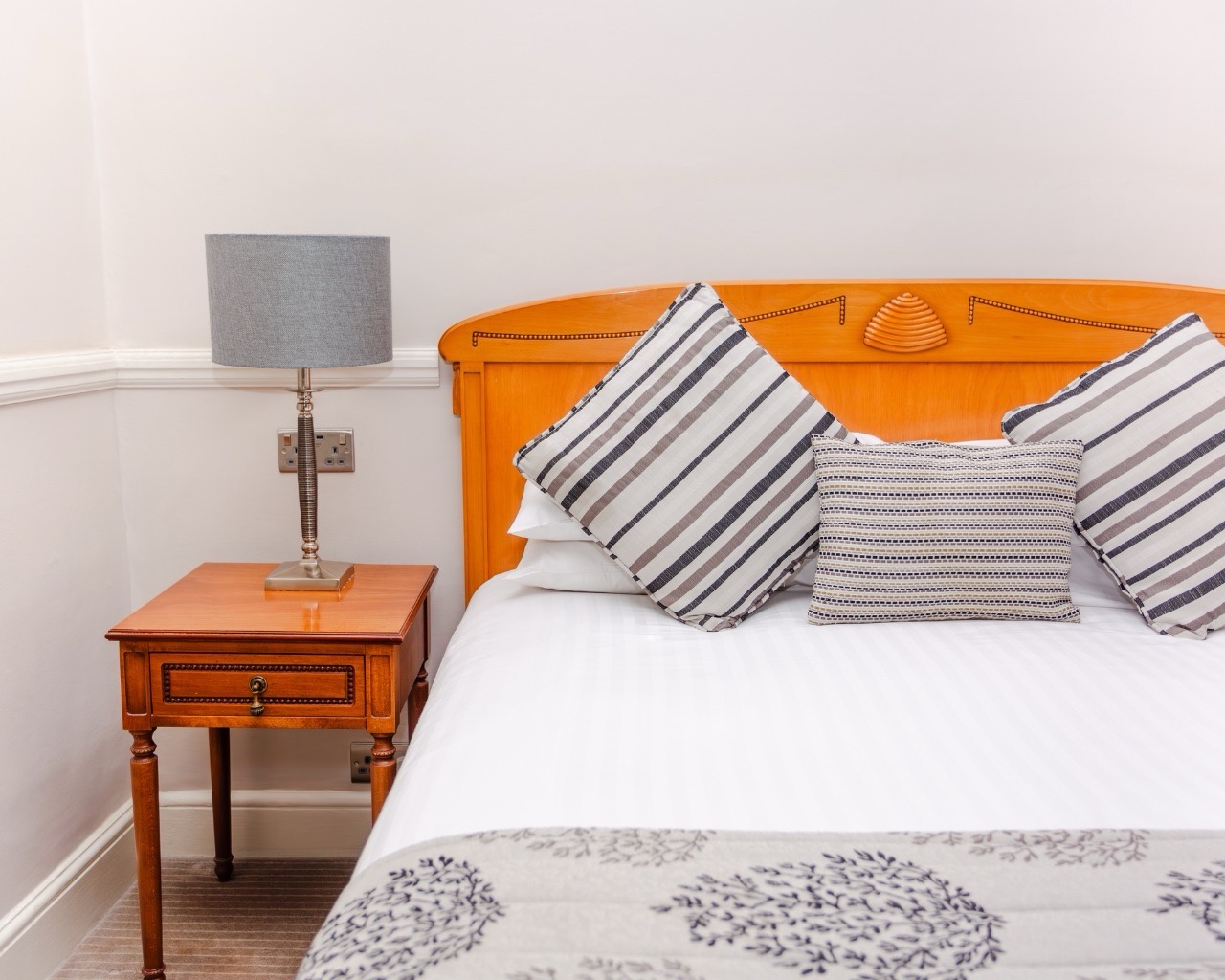
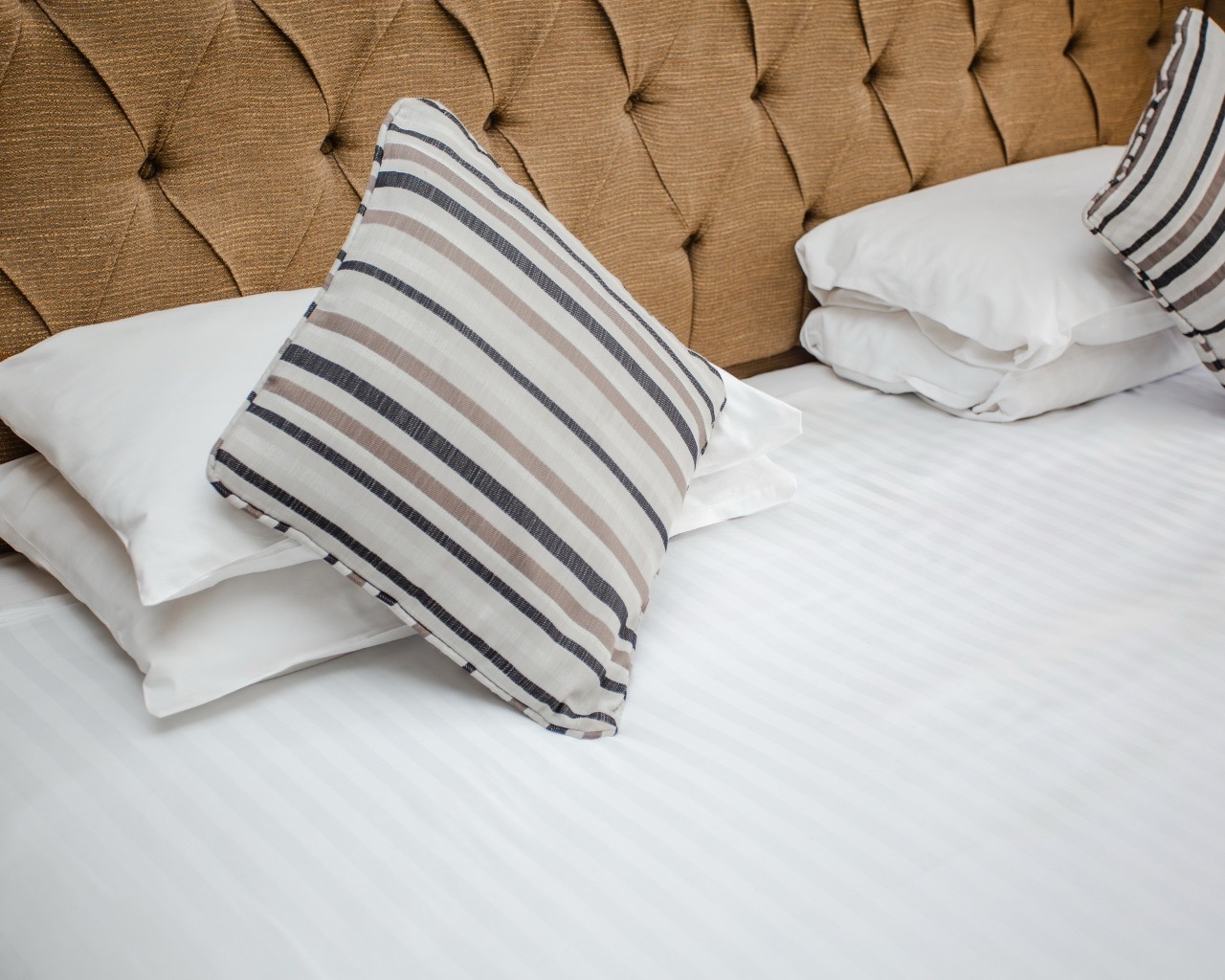
If you want to truly inhabit the grandeur of the Holford era, staying in a Four Poster Room is the ultimate way to do so. These rooms evoke the tactile elegance of the 19th century through rich fabrics and carved wood, yet they invite a modern, unhurried pace. It’s about more than just a place to sleep; it’s about the sensory connection to the past. The view over the market square or the quiet comfort of a historic nook provides a sense of ease that’s hard to find in more corporate hotels. It’s a space where individuality is celebrated and comfort is never rushed.
The inn continues to serve as a perfect gateway for exploring the wider Cotswolds. Whether you’re wandering through nearby royal gardens or hunting for treasures in the local antique markets, the Snooty Fox provides a reliable, warm base to return to. Our philosophy centres on the importance of “slow living” amongst a historic framework. We believe in taking the time to appreciate one’s surroundings, much like the guests did during the 1909 Hunt Ball. By choosing to stay here, you aren’t just visiting a landmark; you’re becoming a small, vital part of the building’s ongoing narrative.
Ready to experience this heritage for yourself? You can start your journey by purchasing Gift Vouchers for a loved one or booking your own escape into the heart of Tetbury’s history.
The Snooty Fox Tetbury history is more than just a collection of dates; it’s a vibrant tapestry of social evolution and architectural pride. From its 16th-century roots as the White Hart to the grand Victorian redesign by the Holford family, every corner of this inn tells a tale of transformation. You’ve seen how it evolved from a bustling coaching hub into a whimsical symbol of Cotswold character, surviving the centuries to remain the town’s most iconic meeting point.
Today, the building stands as a testament to the beauty of preservation. With its authentic Grade II listed features and prime location adjacent to the historic Market House, it offers a truly immersive experience for heritage lovers. The award-winning Hatton Collection hospitality ensures that whilst the surroundings are historic, the comfort is entirely modern and unhurried. Whether you’re drawn by the echoes of the 1909 Hunt Ball or the tactile charm of our honey-stone walls, there’s a place for you here.
Book your stay in a piece of Cotswold history at The Snooty Fox and discover the magic of a retreat where time slows down. We look forward to welcoming you into our ongoing story.
The building was officially designated as a Grade II listed structure on 21 March 1985. This status protects its late 16th-century core and the significant 1851 Victorian refurbishments commissioned by the Holford family. It ensures that the architectural integrity of the inn remains a permanent fixture in the town’s landscape for future generations to enjoy.
Before it became the characterful establishment we know today, the hotel was known as the White Hart. This traditional name was used for centuries whilst the building served as a premier coaching inn for weary travellers. The transition to its current, more whimsical name was a 20th-century choice made to reflect its location in the heart of Beaufort Hunt country.
The Holford family of Westonbirt House was instrumental in shaping the building’s striking appearance. In 1851, Robert Stayner Holford commissioned the architect Lewis Vulliamy to redesign the inn. This partnership introduced the iconic Dutch gables and stone mullion windows that are so central to The Snooty Fox Tetbury history and its enduring Cotswold charm.
Whilst the 1655 Market House is a separate heritage structure, it’s deeply entwined with the hotel’s story. The two buildings have stood side-by-side for centuries, together forming the historic centre of Tetbury’s trade and commerce. Their proximity highlights the inn’s role as the primary social hub for the merchants and travellers who frequented the market over the generations.
Yes, the interior is filled with historic details that have been carefully preserved by the Hatton Collection. You’ll find original stone archways, winding passages, and characterful nooks that reflect the building’s 16th-century origins. These features are particularly prominent in the guest rooms, where the layout follows the irregular, organic structure of the historic inn rather than a modern, uniform design.