2 October 2026

What should you expect from a traditional hotel? The words “traditional” and “characterful” can suggest dated rooms or formal service, but a style label doesn’t explain what a stay is actually like. Tradition needn’t mean sacrificing comfort or useful modern facilities.
A traditional hotel is best understood through its atmosphere and approach to hospitality, alongside the practical details that make a stay work for you. This guide explains what the label can mean, how these hotels may differ from larger or more contemporary stays, and what to check before booking, from room information to dining and accessibility. Look beyond decorative details to see what’s included and whether the offer suits your plans. The Snooty Fox is one example, with 12 bedrooms, a bar and restaurant, and spaces for gatherings. No two traditional hotels are quite alike, so use the guidance here to find the character, comfort and facilities that matter to you.
A traditional hotel is often associated with characterful surroundings and an established, attentive approach to hospitality. The phrase describes an atmosphere and style of welcome, not a fixed blueprint. It doesn’t guarantee a particular building age, interior design or set of facilities.
Traditional hospitality is about how guests are welcomed, not simply about decorative details. That distinction is useful when comparing stays. A hotel might have period-inspired furnishings but offer little personal attention, while another may express tradition through its service and sense of continuity rather than ornate rooms.
The label is not a formal star rating. Ratings assess accommodation against defined criteria, which can include facilities and service; “traditional” is a broader description of character and hospitality. One tells you nothing definite about the other, so check the details that matter to your stay.
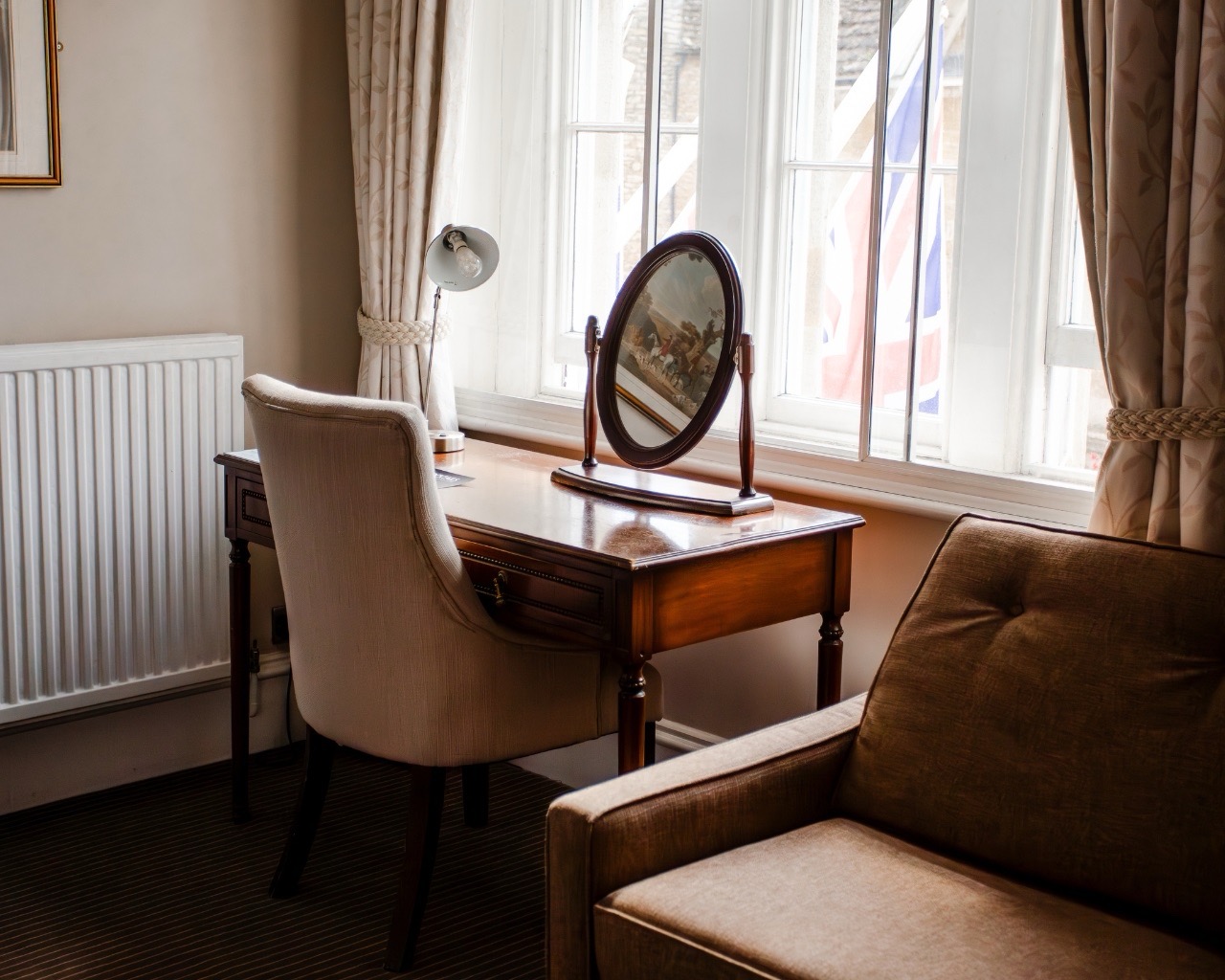
Heritage-inspired details, considered service and a sense of continuity are commonly associated with traditional hotels, but none is guaranteed by the label. Furnishings, architectural features and shared spaces can all contribute to a distinctive atmosphere, whether they’re original or chosen to complement the setting. Look for specific descriptions rather than assuming every traditional hotel has antiques, formal service or a particular room style.
No. A historic building may naturally lend itself to a traditional atmosphere, but the label alone doesn’t confirm a building’s age or architectural history. As a point of comparison, Historic Hotels of America describes a programme with specific criteria for recognising historic properties in the United States. That is separate from the broad use of “traditional” in hotel descriptions.
To check a hotel’s history, look for clear information about the building and its features. If those details aren’t provided, ask before booking rather than treating atmosphere as proof of age.
A traditional style doesn’t automatically mean dated facilities or a less comfortable stay. Historic lodgings like Nordpå Fjellhotell illustrate how traditional atmosphere and modern hotel amenities can go hand in hand. Visual character and modern comfort are separate questions. The atmosphere may come from distinctive furnishings or thoughtful service, while everyday comfort depends on the particular room and facilities available.
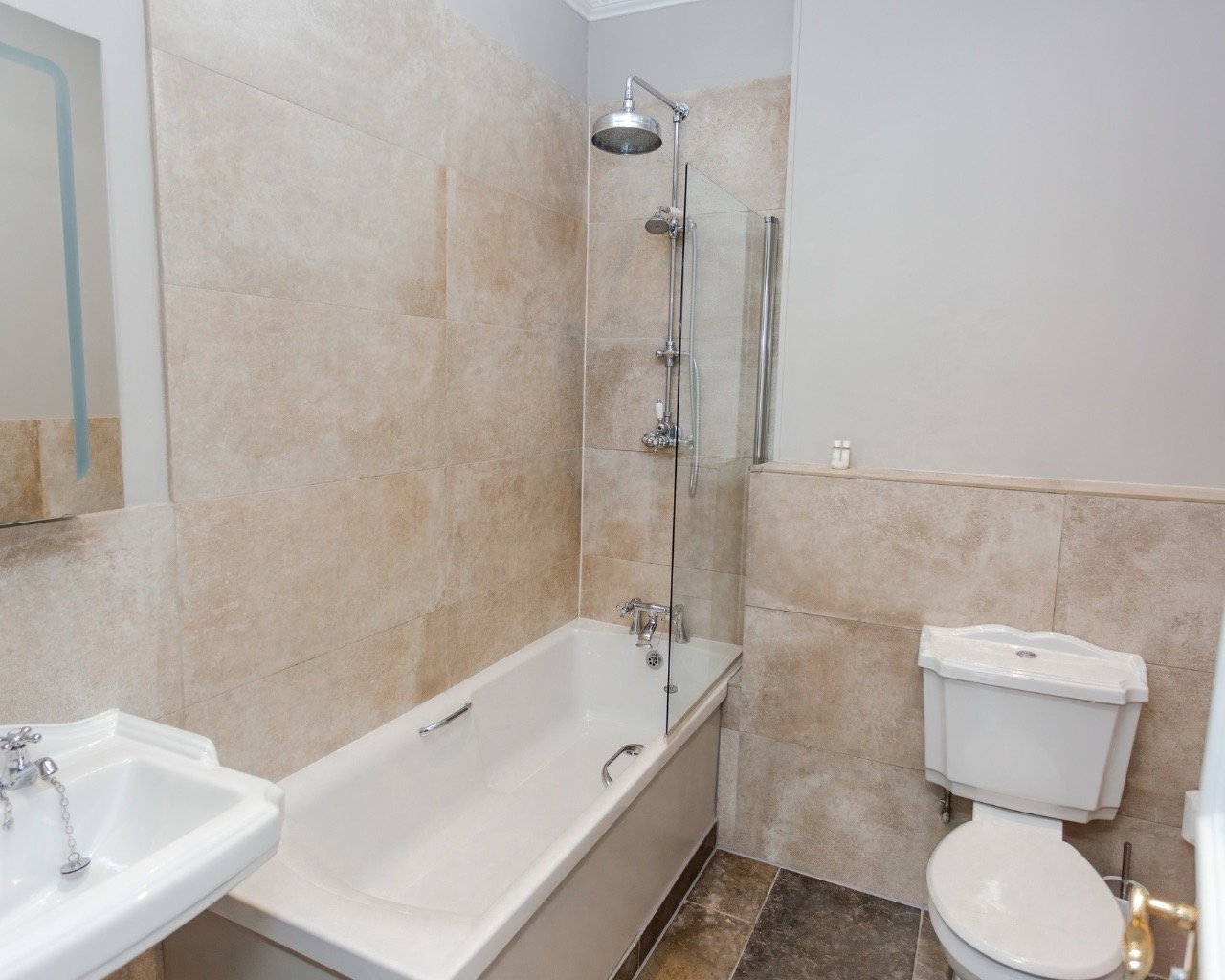
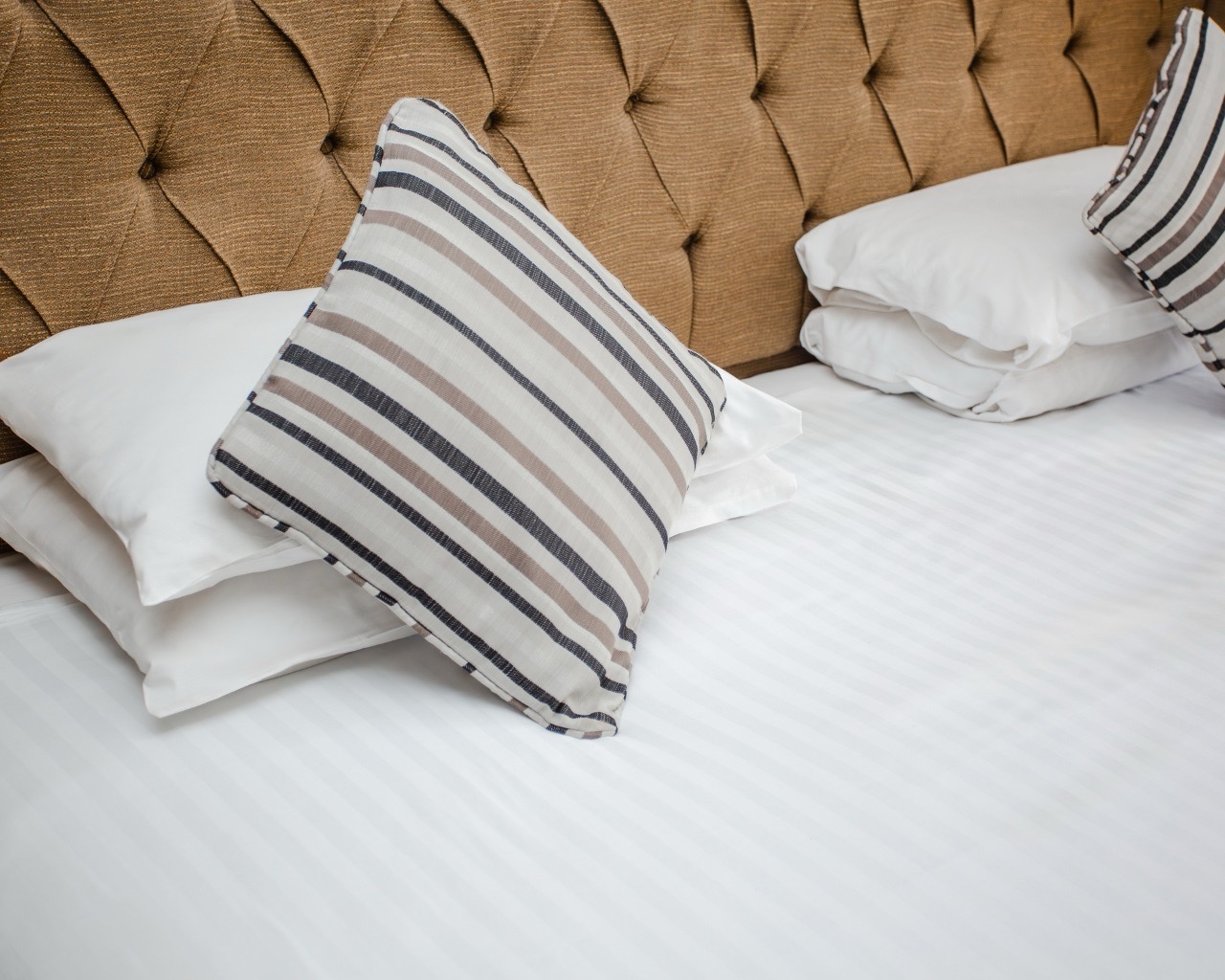
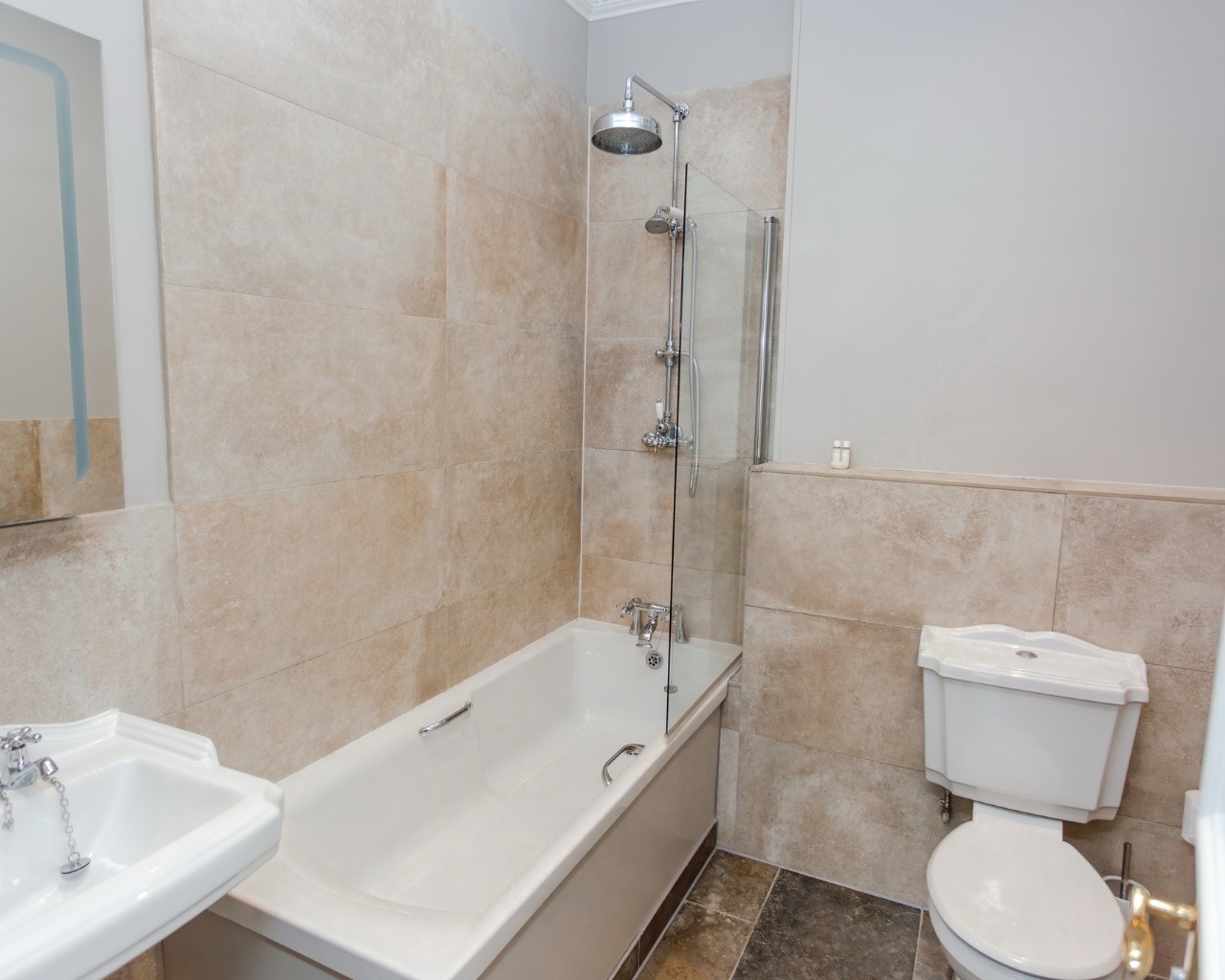
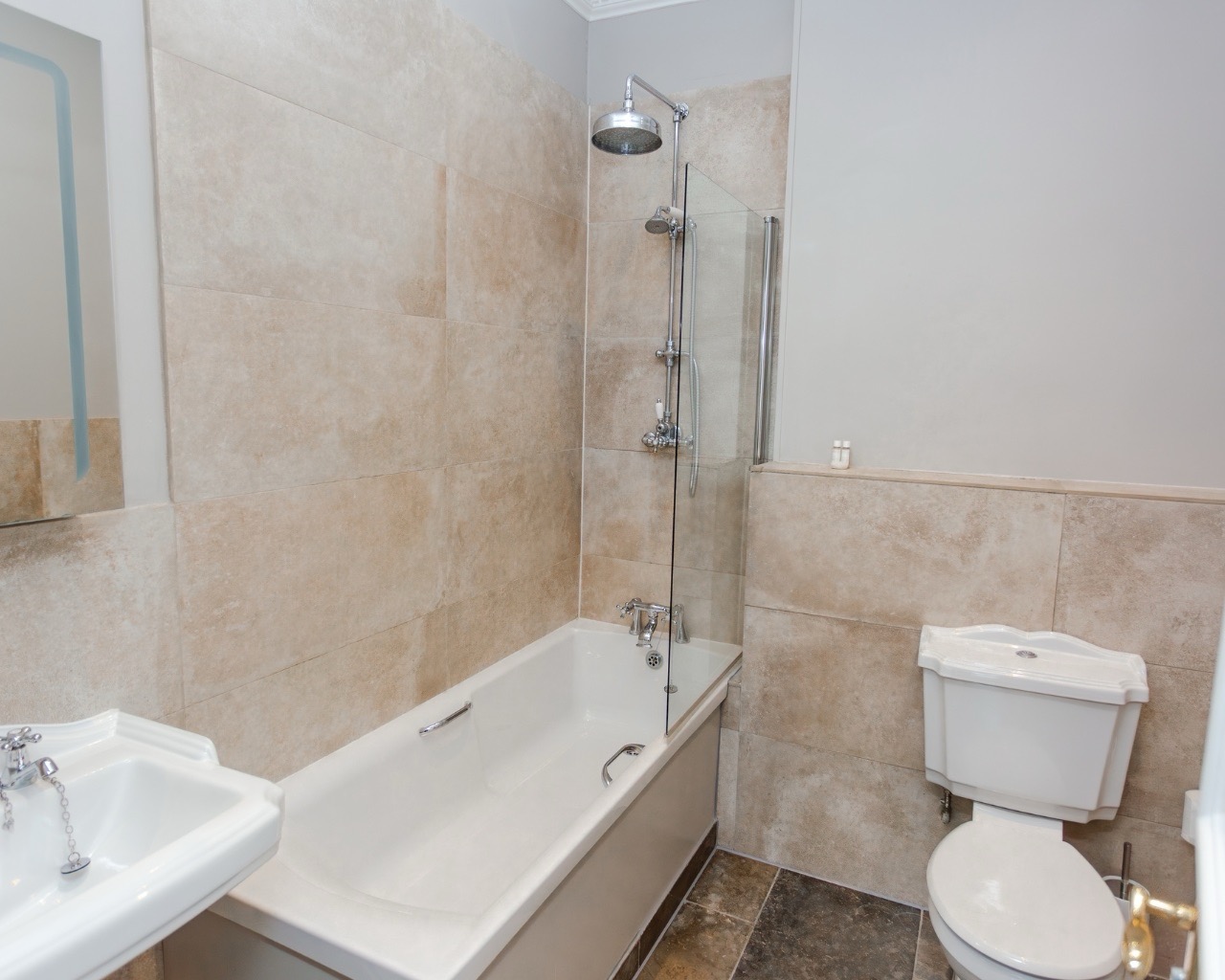
Look beyond the label and read the current room descriptions carefully. Check whether the features you rely on are listed, and contact the hotel directly if you have questions about accessibility, room features or technology. A warm welcome and individual character can make a stay feel special, but neither tells you exactly what a room includes.
Historic credentials are a separate matter. The official programme of the National Trust for Historic Preservation celebrates historic hotels, but a historic designation doesn’t, by itself, answer practical questions about present-day room comfort. Check both separately.
Distinctive layouts and older features vary from one hotel to another. They may add charm, but find out whether the room suits your preferences rather than assuming every property has the same arrangement. Consider what matters for your visit, such as a particular type of room, specific facilities or having dining on site.
Before booking, list the atmosphere you want, the room details you need and the facilities that are essential. Compare each hotel against that list. If a description leaves an important question unanswered, ask before making plans. For one example, you can view The Snooty Fox’s room options and note which details you’d want to confirm for your stay.
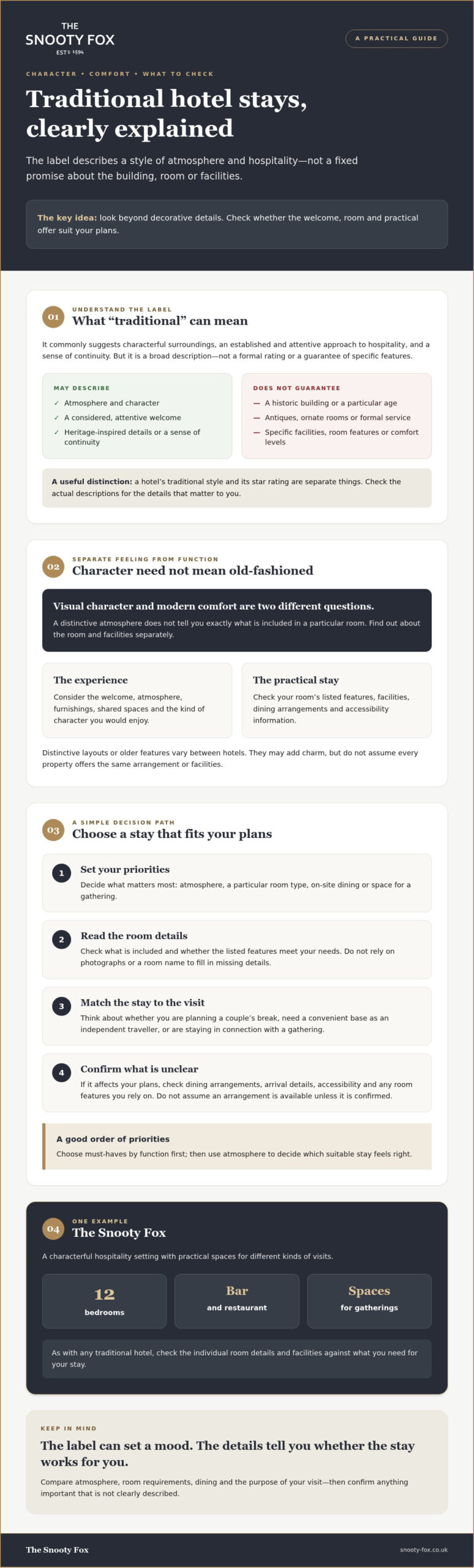
Start with what your trip calls for, then check whether the hotel’s atmosphere and practical offer fit. A traditional hotel can provide a memorable setting, but the right choice depends on more than character alone.
Choose must-haves by function, then use atmosphere to decide which suitable stay feels right. This separates essentials from preferences such as period details or a more intimate setting. Thoughtful planning can bring character and practical use together; Cornell’s resource explores principles to plan and design effective hotels.
If a listing doesn’t answer a practical question, contact the hotel directly. Be specific: ask whether a feature is available in your chosen room, how dining works during your stay, or whether access arrangements suit your needs. Clear answers make it easier to compare hotels on what matters to you.
Couples may put atmosphere first; independent travellers may care more about room requirements and dining on site. If you’re attending a gathering, check that the hotel’s confirmed spaces and accommodation suit your plans. To explore one stay option, view room options at The Snooty Fox.
The Snooty Fox offers one example of characterful hospitality, with a welcoming atmosphere rather than a one-size-fits-all idea of what a traditional hotel should be. Its offer brings accommodation, dining and gathering spaces together in one venue, giving guests different reasons to visit. Not every element is necessarily part of a room booking, so check the details for your plans.
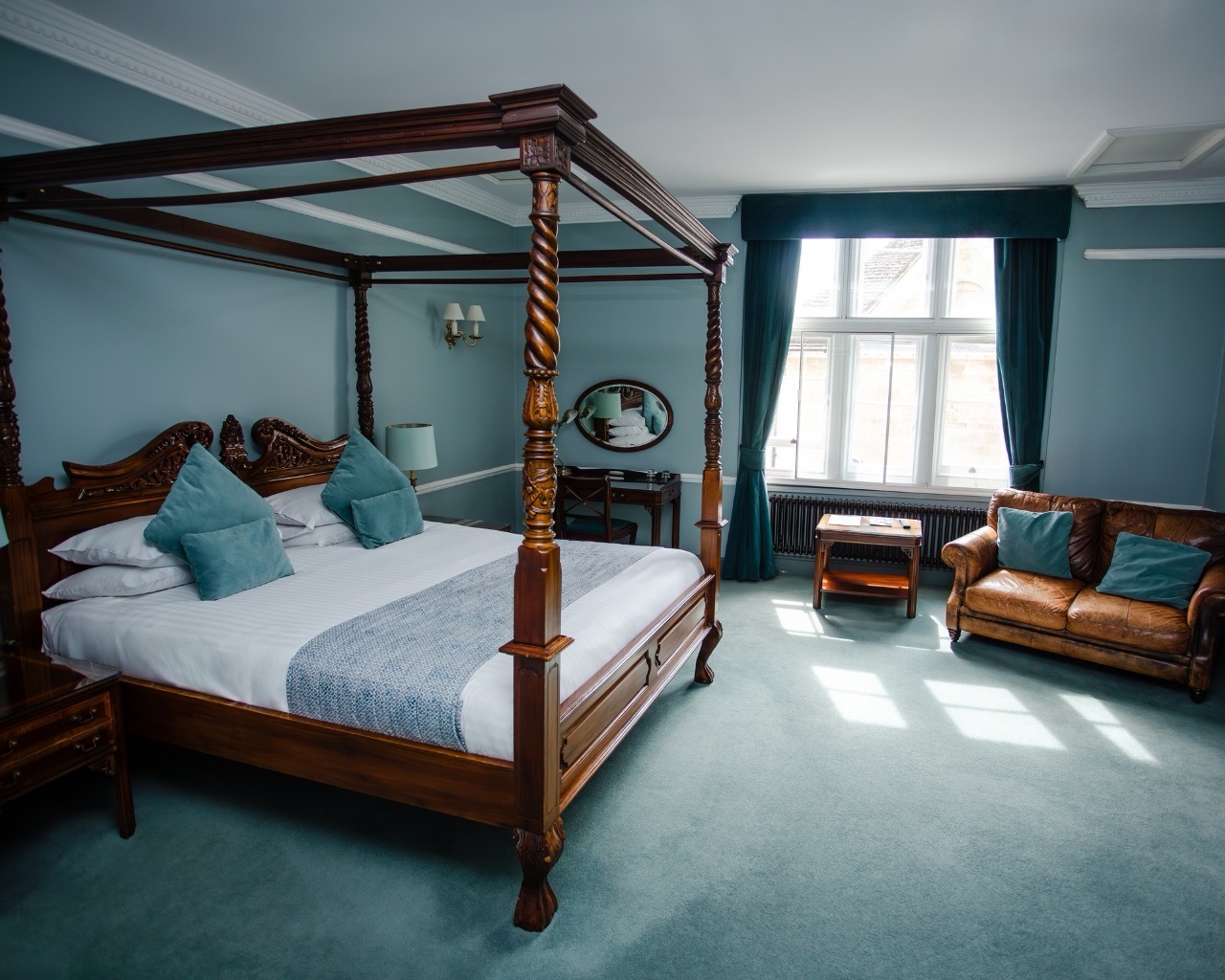
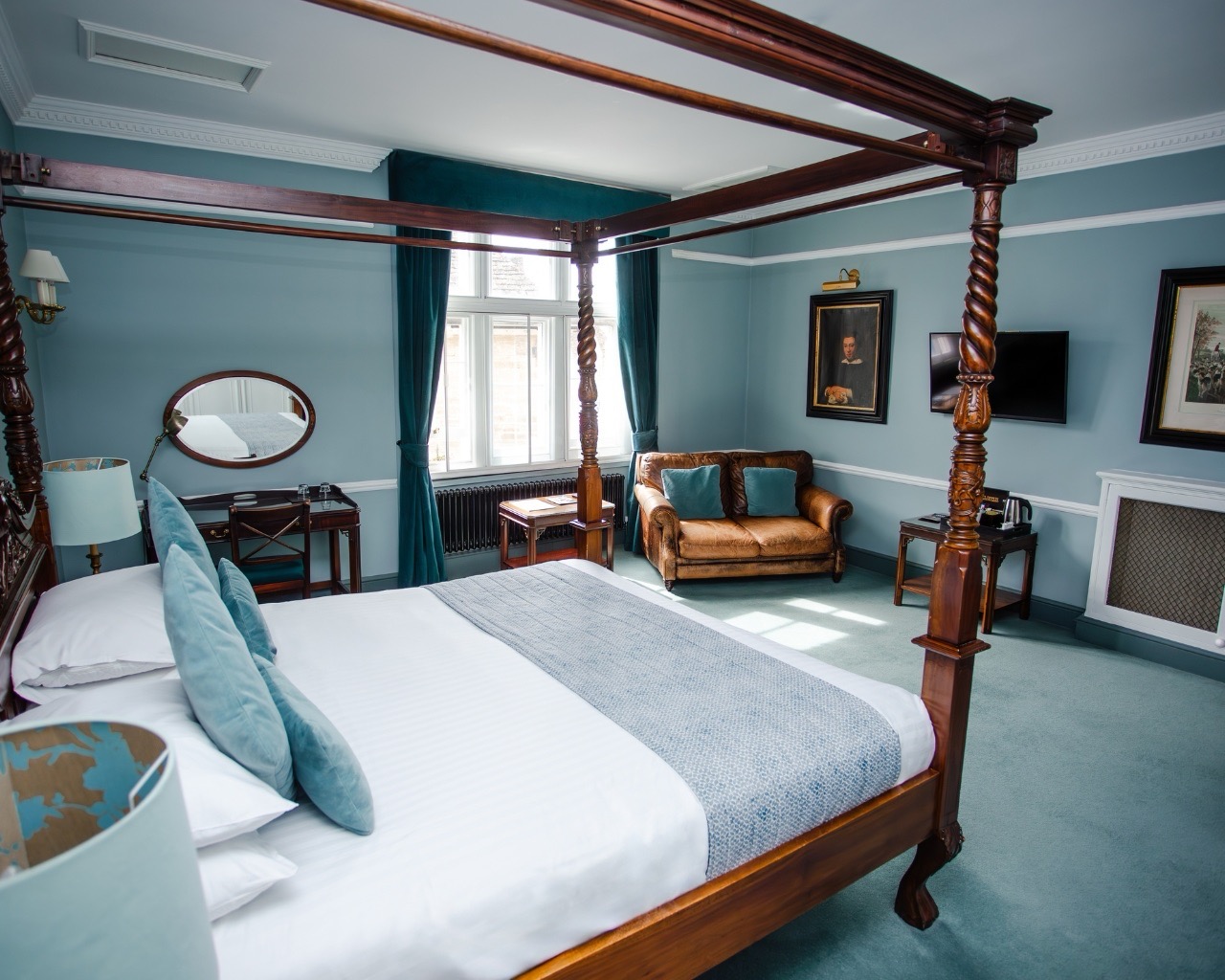
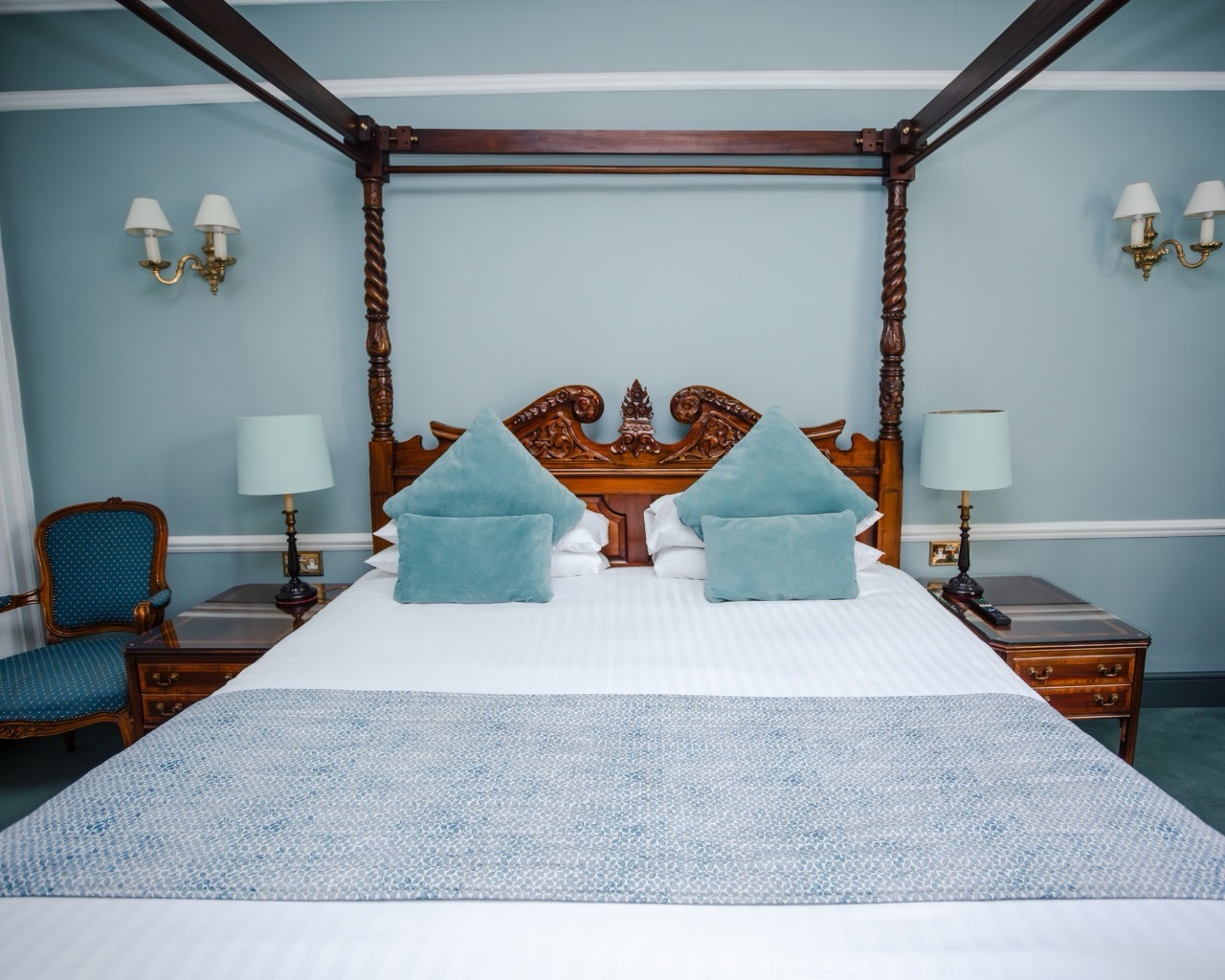
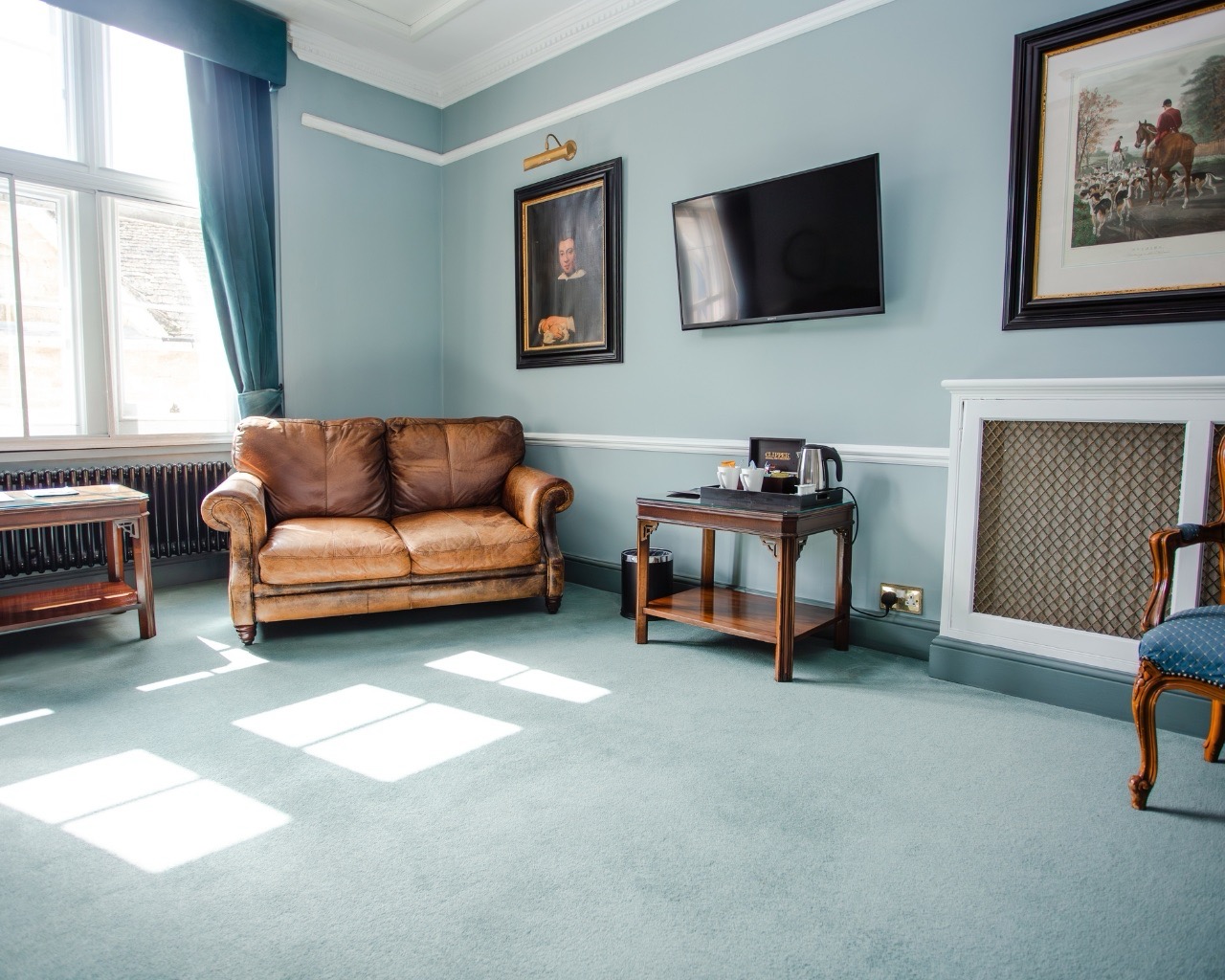
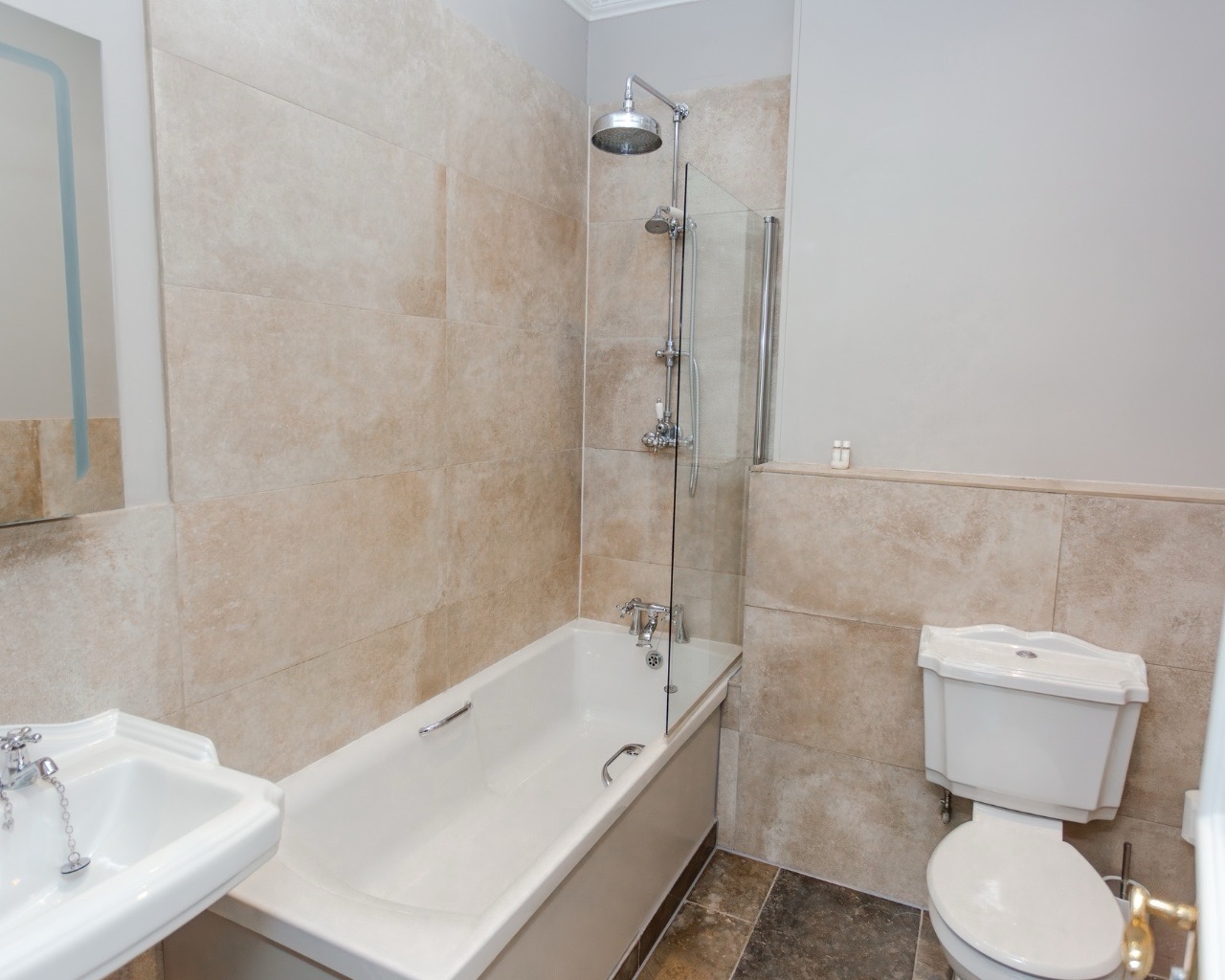
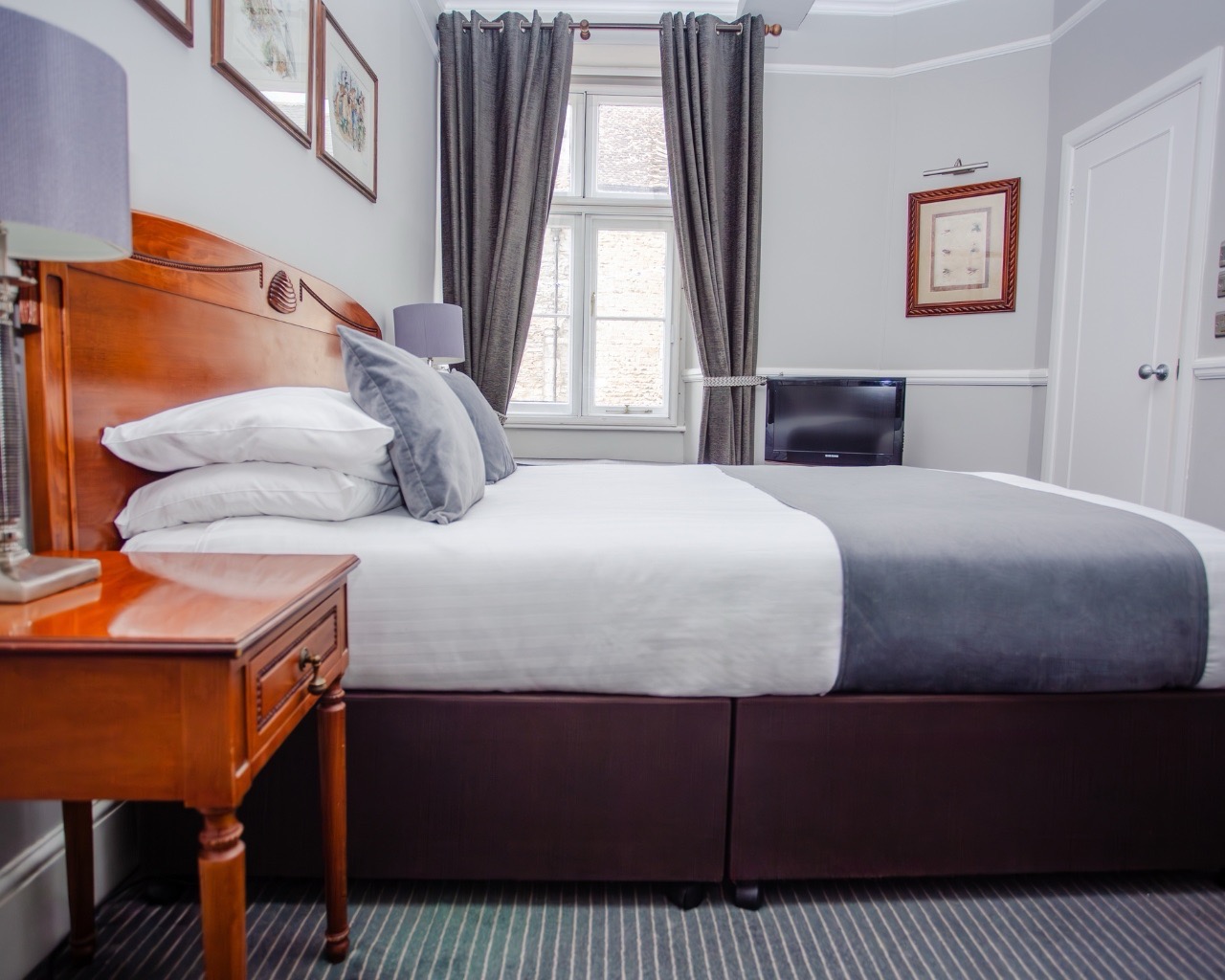
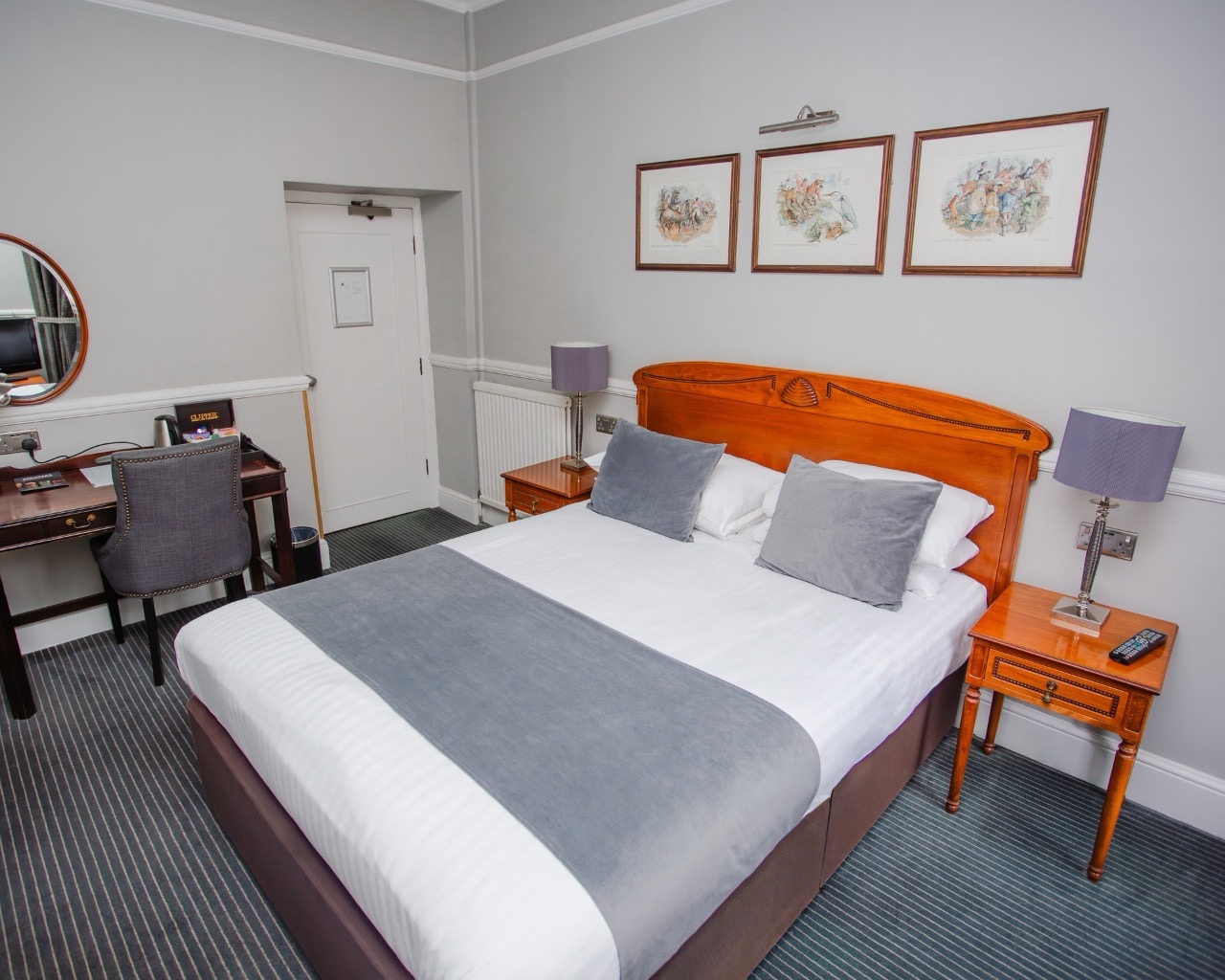
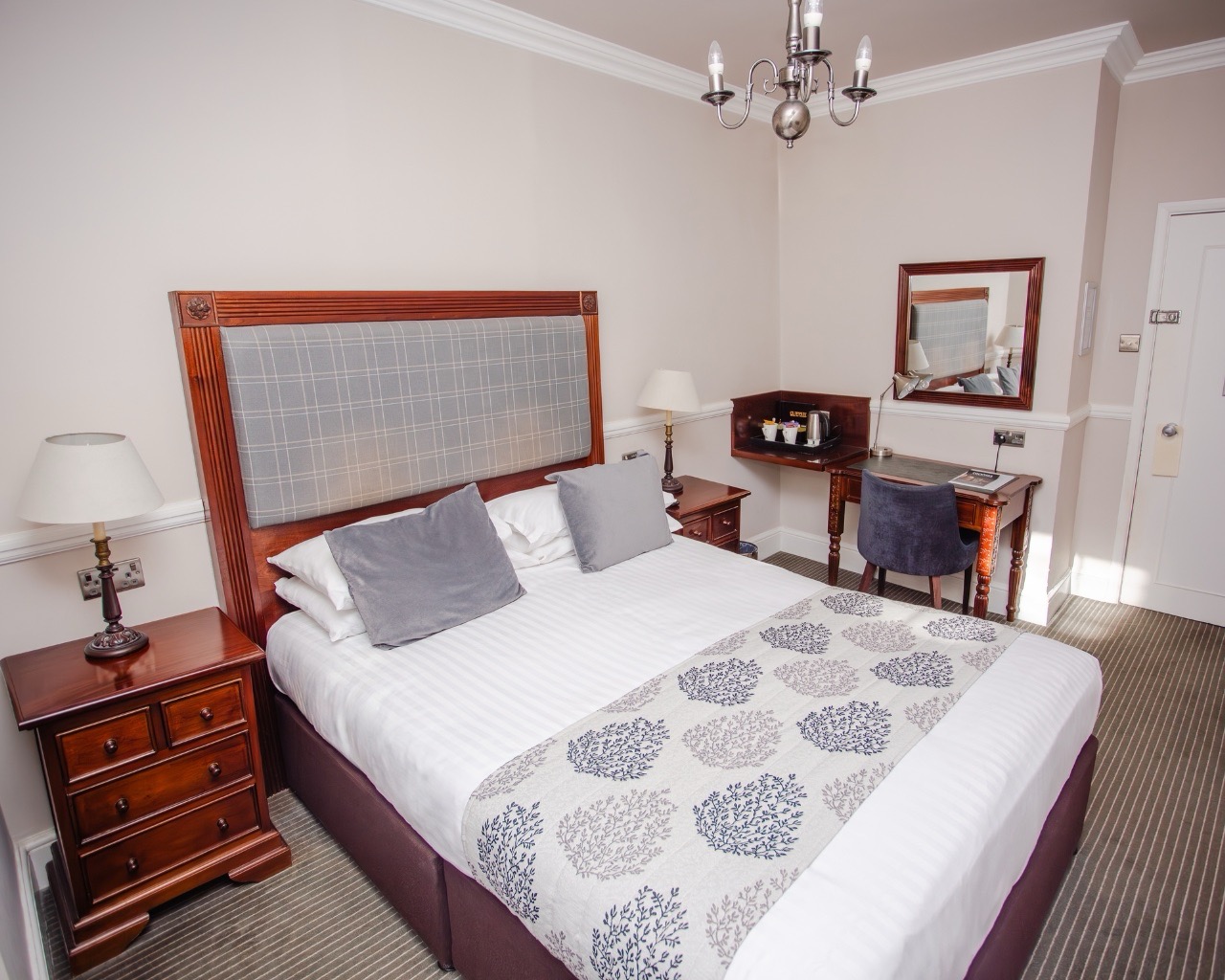
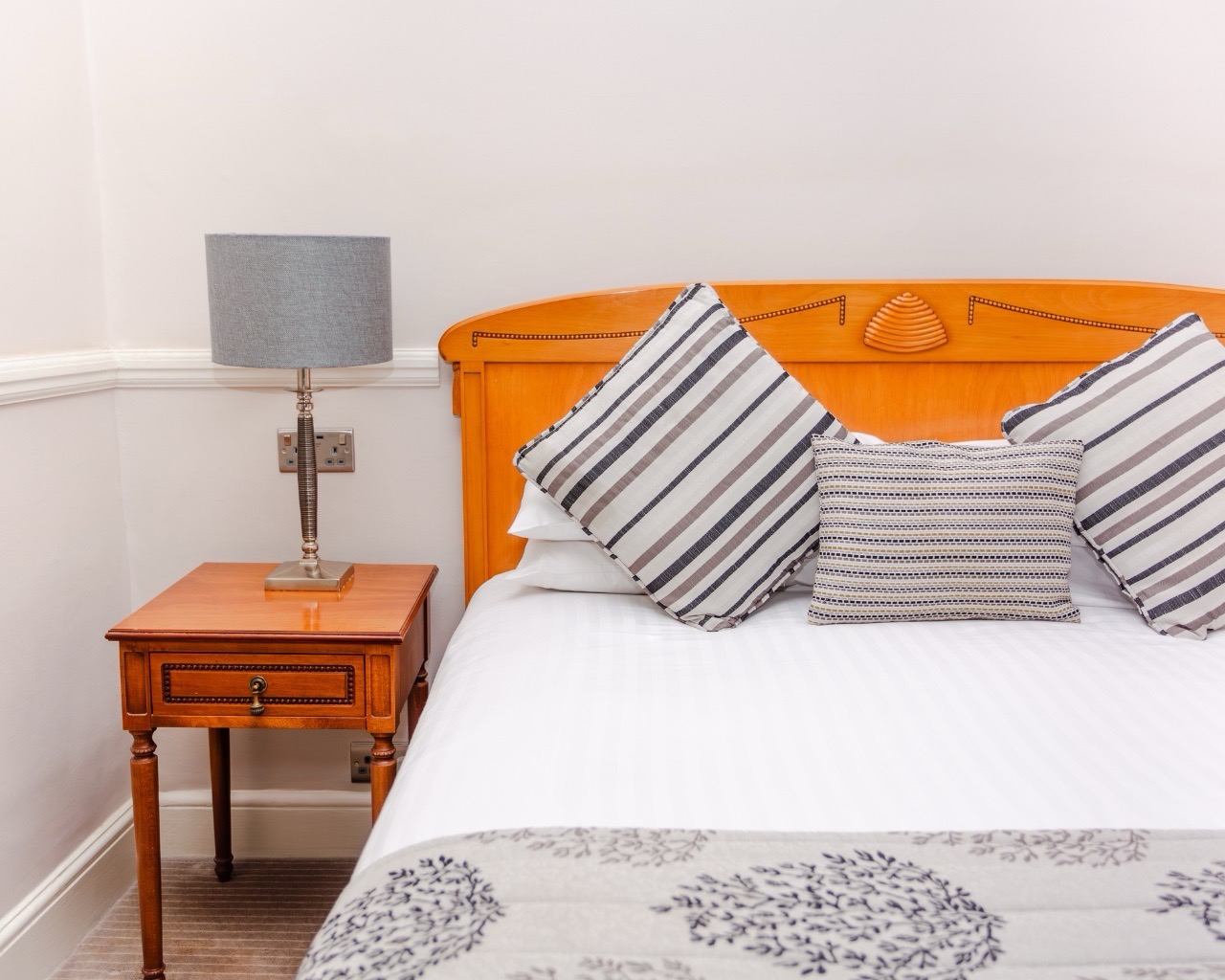
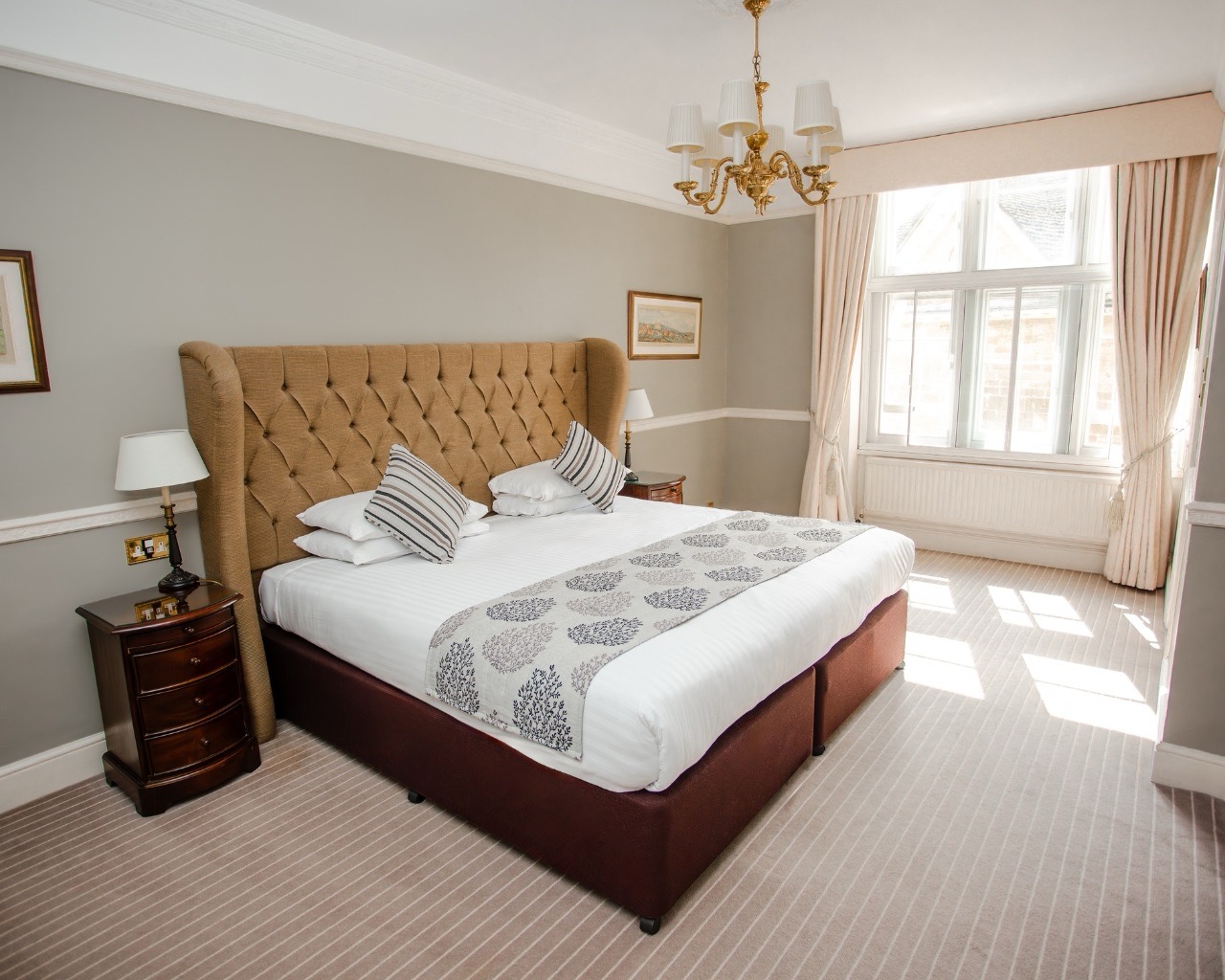
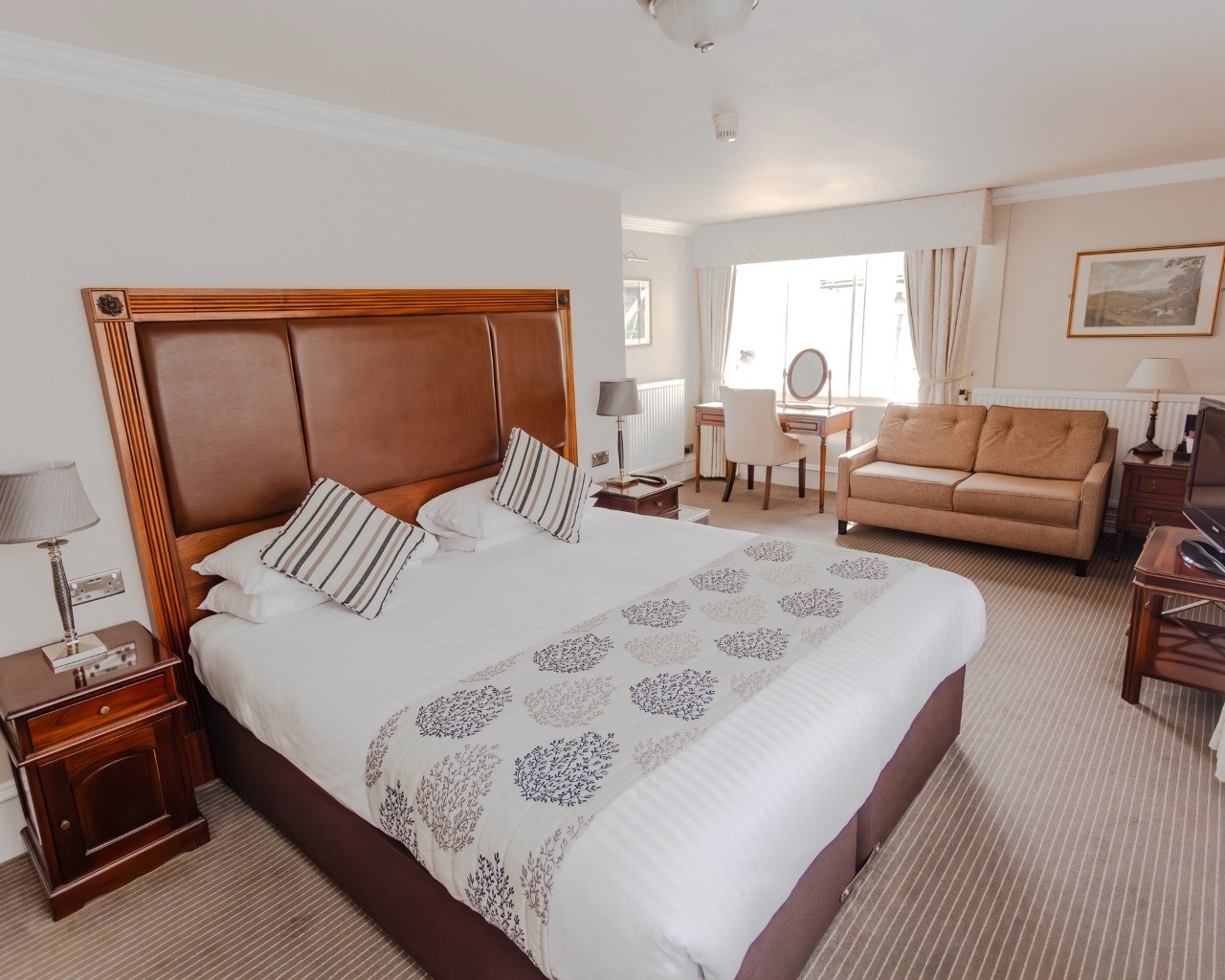
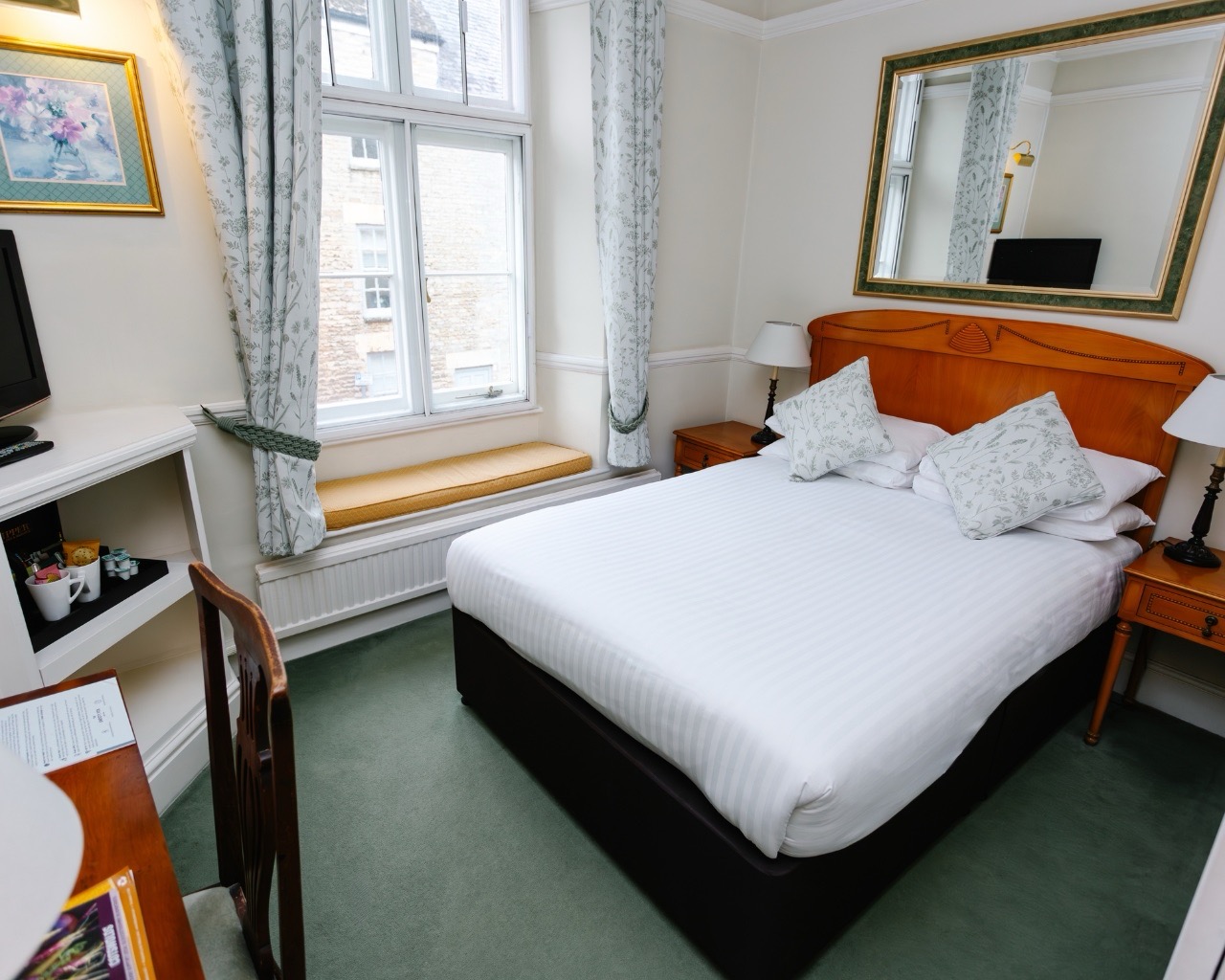
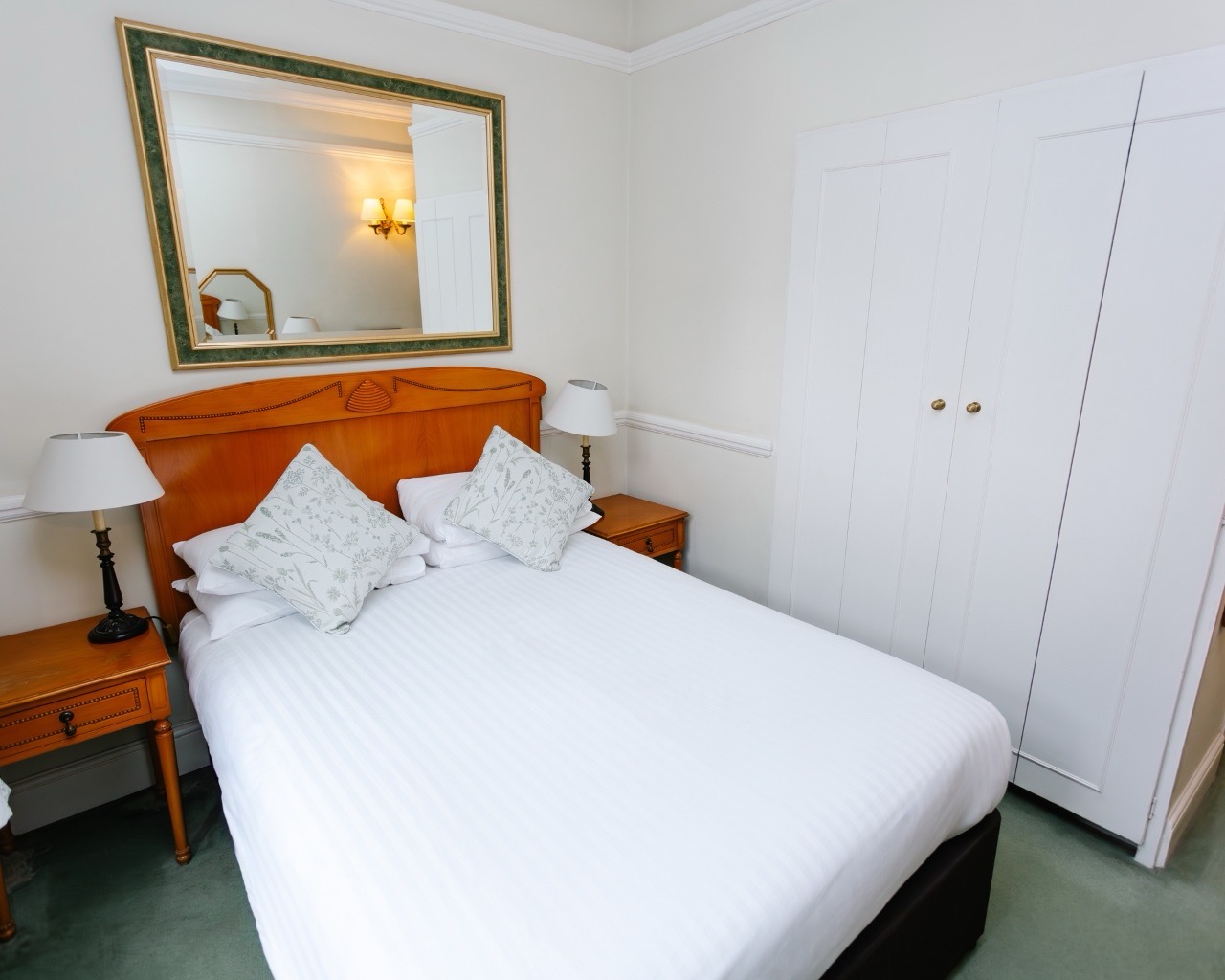
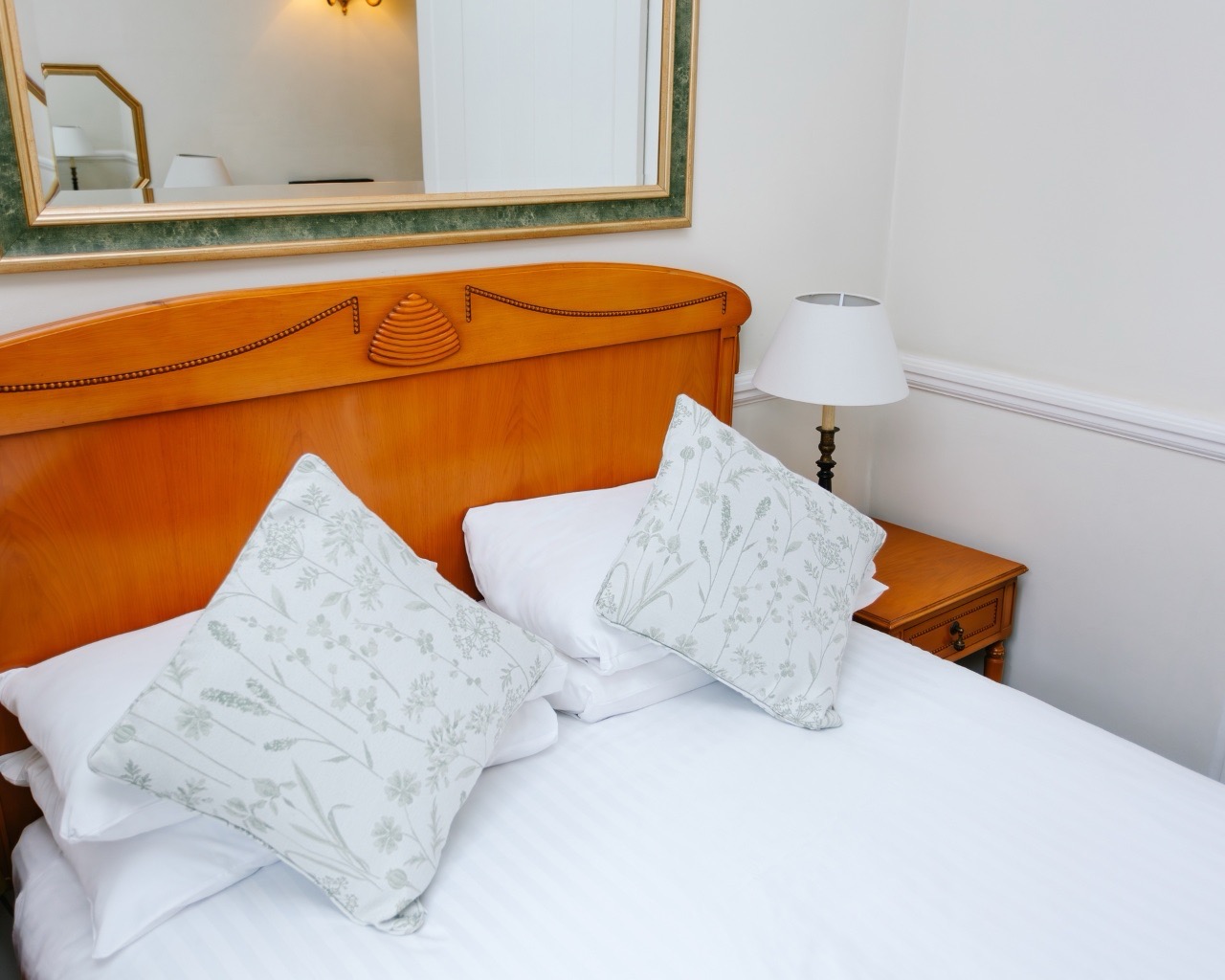
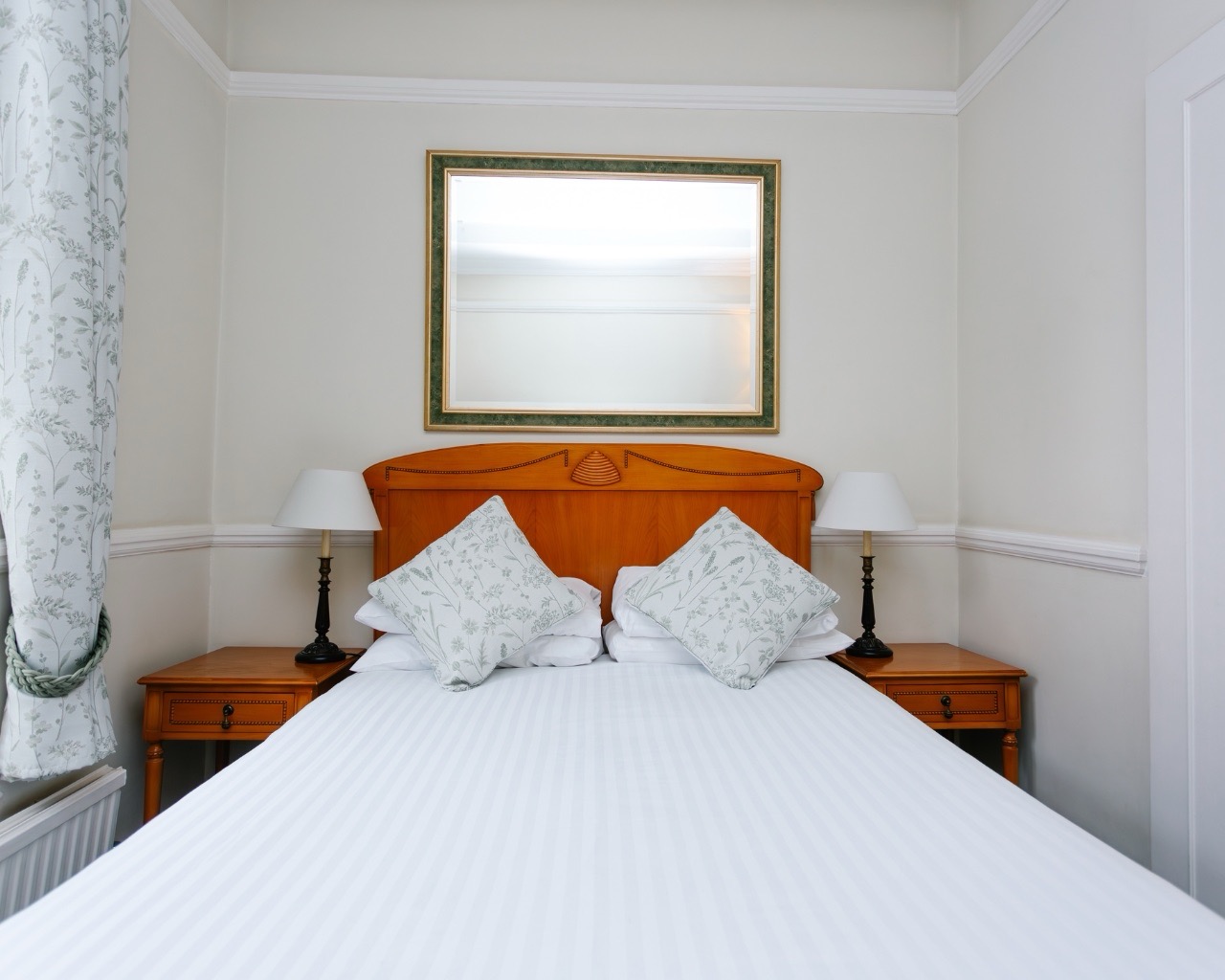
The hotel has 12 bedrooms, a bar and restaurant, and flexible spaces for gatherings. This may suit a visit centred on a stay, a meal or an occasion. The Four Poster Room is one of the available accommodation options. Check current room information, and ask about dining arrangements or gathering-space access separately, as these aren’t automatically included with a room.
Before making plans, compare the room information with what you need from your visit. If a facility, accessibility detail or booking arrangement isn’t explained, contact the hotel to confirm it rather than making assumptions. The Snooty Fox is one individual example of a characterful stay, not a promise that every traditional hotel offers the same experience.
For a closer look at the available rooms and the hotel’s wider offer, explore The Snooty Fox and check which details fit your plans.
A traditional hotel is about more than period styling. Look for character and thoughtful hospitality, then check that the room, facilities and arrangements suit your plans. Comparing practical must-haves with atmosphere-led preferences can help you choose with confidence, without assuming that every hotel using the same label offers the same experience.
The Snooty Fox brings accommodation together with a bar, restaurant and flexible gathering spaces. It has 12 bedrooms, including the Four Poster Room, giving you options to explore while you consider what matters for your stay. Check the current room information and confirm any practical details that aren’t clear before making plans.
If its characterful approach sounds like a good fit, take a closer look at the rooms and wider offer. Explore The Snooty Fox and start planning a stay with personality, comfort and room to enjoy the moment.
A traditional hotel is generally associated with characterful surroundings, established hospitality and an atmosphere shaped by its setting. The label describes an overall feel, not a guarantee of a historic building, particular décor or level of service. Before booking, read the hotel’s current room and facilities information, and ask about anything important to you. That gives you a clearer picture of the stay than the label alone.
Not necessarily. Traditional style doesn’t tell you whether a hotel’s rooms or facilities feel dated, and properties vary considerably. Check up-to-date room descriptions and confirm practical details that matter to you, such as particular facilities or accessibility. Characterful surroundings and present-day comfort can go together, but don’t assume either from a style label. The hotel’s own information is the best place to check what’s available.
The terms describe different qualities and can overlap. “Traditional” often suggests established hospitality, heritage or a classic atmosphere, while “boutique” commonly points to a smaller hotel with a distinctive identity. For travellers exploring characterful boutique stays further afield, discover U Hotel Group to see how distinctive accommodation styles cater to modern guests. Neither term guarantees specific facilities or a particular level of service. Compare the room descriptions, guest information and amenities instead, then decide which setting and confirmed offer suit your plans best.
Start with your practical priorities: room type, facilities, dining arrangements, accessibility and how the hotel fits your plans. Then consider its atmosphere and approach to service. Read current descriptions carefully, since terms such as “characterful” don’t explain exactly what’s included. If a detail is missing or unclear, contact the hotel directly before booking. This helps you compare confirmed information rather than relying on assumptions about the label.
Yes, if the hotel’s confirmed offer matches your plans. Check whether it provides suitable accommodation, dining arrangements or gathering spaces, and ask about availability and practical details. For example, The Snooty Fox offers wedding venue hire, Celebration of Life, Christenings and Baby Showers, as well as flexible gathering spaces. These are distinct from a room booking, so confirm arrangements separately rather than assuming event facilities or services are included.