6 November 2026

The venue that looks perfect in photographs may be the wrong fit if its supplier rules don’t suit your plans. For civil weddings, approved premises can include built structures and linked outdoor areas; whether you can bring your own caterer, florist or band depends on each venue’s terms. Couples planning their celebrations often have an average of 100-120 wedding guests, making usable space and layout as important as style when comparing wedding venues.
You may already have favourite suppliers in mind, or you may prefer a setting like The Snooty Fox that can shape more of the celebration. Either way, compare what’s included, how the space works for your reception and how flexible the arrangements are before choosing your ideal location.
Here, you’ll find a practical way to weigh up exceptional reception spaces, from characterful rooms to outdoor areas, and match their style and capacity to your plans. You’ll also see which details to compare so the venue feels right for the day you want to host.
Wedding venues range from grand indoor rooms to gardens, marquees and private dining rooms. A historic hall can create a romantic backdrop for a formal meal, while a restaurant room may suit a smaller guest list and relaxed dining. Consider how guests will move between the ceremony, drinks, meal and dancing. A beautiful setting works best when its layout supports the whole celebration.
For civil weddings, the venue must meet the relevant approval requirements. Under Regulation 3(2), approved premises for civil weddings include built premises and linked outdoor areas, according to the University of London. Requirements differ across England, Scotland, Wales and Northern Ireland, so approval in one nation should not be treated as approval across the UK. Ask which spaces are approved for the ceremony, including any linked outdoor area.
A ceremony and reception at one venue can simplify the day’s flow: guests move from vows to drinks and dinner without travelling elsewhere. Ask how the room will be reset, where guests can gather between moments, and whether the same space accommodates each part of the plan. For a ceremony at Nymans, consider the same practical points: the chosen ceremony space, the reception arrangement and the journey between them.
Registrar availability is a separate part of planning. Align the ceremony time with the registrar’s schedule, then confirm how long the space is reserved and when suppliers can enter. Ask what the venue’s ceremony licence covers, whether outside suppliers are permitted and what catering arrangements apply.
There’s no single venue cost for every UK wedding: location, date, guest numbers, catering and included services all affect the quote. Deposits, cancellation terms and payment dates depend on the booking contract, so read those clauses before committing. Popular UK wedding venues are often booked 12-24 months ahead, particularly for summer weekends and peak dates.
At a viewing, ask which rooms are approved, what the hire includes, how supplier access works and what happens if plans change. Compare the answers with your guest list and reception schedule.
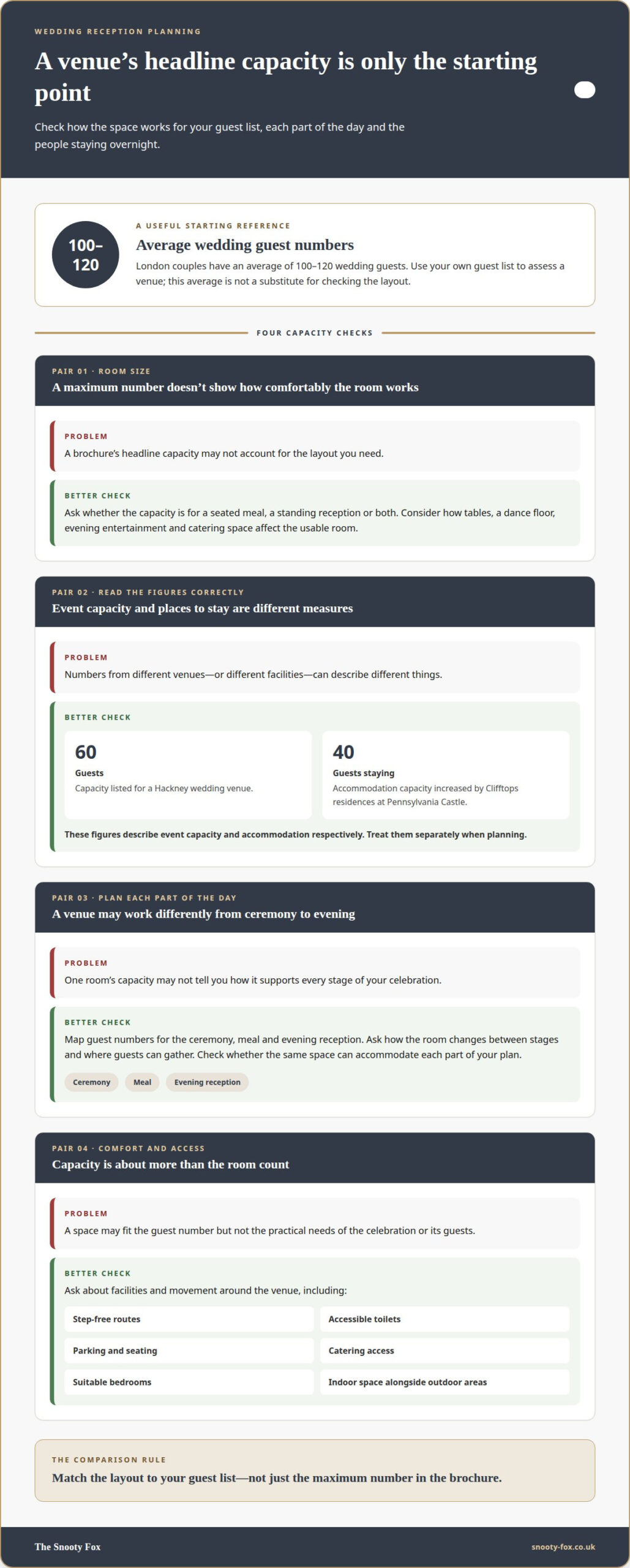
London couples have an average of 100-120 wedding guests, but a venue’s headline capacity is only a starting point. Ask whether that figure applies to a seated meal, a standing reception or both. Tables, a dance floor, the evening entertainment and space for catering can all change how comfortably a room works. Match the layout to your guest list, not just the maximum number in the brochure.
Capacity also varies between buildings and spaces within the same venue. A historic hall may suit a larger gathering, whilst a smaller room could make an intimate meal feel more connected. A Hackney wedding venue lists capacity for 60 guests. At Pennsylvania Castle, Clifftops residences increase accommodation capacity to 40 guests. These figures describe different things: event capacity and places to stay. Treat them separately when planning.
For an accurate comparison, map out guest numbers for each part of the day. Consider who will attend the ceremony, meal and evening reception, then ask how the room changes between those stages. If you plan to use an outdoor area, find out what indoor space guests can use as well. Check facilities alongside capacity, including toilets, seating, catering access and places for guests to gather comfortably.
Accessibility and accommodation matter as much as the room count. Ask about step-free routes, accessible toilets, parking, seating and suitable bedrooms, then consider how guests will move between buildings. If you’re looking at overnight stays, compare guest accommodation options alongside reception capacity. A clear plan helps you judge whether the setting works for the whole guest list, from arrival through to the evening.
Wedding venues include historic houses, hotels, restaurants, galleries and gardens, each with a distinct atmosphere. A townhouse can feel intimate, while a bright gallery gives a modern reception a clean backdrop. A marquee offers an adaptable setting, but its atmosphere depends on the surroundings and furnishings. Start with the feeling you want, then shortlist spaces that suit your guest list and plans.
Style also shapes how you use the room. A formal, candlelit dinner calls for a layout that keeps tables central; a lively evening reception may need clear space for dancing. For an outdoor ceremony, consider how the celebration can move indoors if the weather changes. In London, buildings can offer distinctive architectural details, but those features should work with your décor rather than dictate it.
Use filters to narrow your options by location, capacity, setting and budget. For a fair comparison, look beyond packages: note whether catering, furniture, staffing and supplier access are included, and compare like with like. Set a realistic budget before viewing, then prioritise the features you value most. A stunning backdrop matters less if the practical arrangements don’t fit your plans.
If you want an inclusive experience, consider how guests will arrive, move around and enjoy each part of the day. Check whether the ceremony space is licensed for your plans and whether the reception layout works for different needs. A useful shortlist might include a historic house, a contemporary hotel and a garden marquee, giving you distinct styles to compare while keeping capacity in mind.
To find suitable options near you, set your budget and guest capacity first, then filter by area and style. Compare the resulting quotes by what each includes, rather than choosing on appearance alone.
A useful comparison starts with the celebration you want, not a photograph alone. Assess each venue against the same plans: ceremony, meal, speeches and evening dancing. An elegant hotel may make transitions between those moments straightforward, while a garden setting offers a different backdrop. Note what each space makes easy and where its layout could constrain your plans.
Compare quotes on the same basis. Record the hire, catering arrangements, furniture, staffing and supplier access included in each proposal. The total depends on your date, guest numbers, chosen spaces, catering and inclusions, so request a written quote. Separate optional extras from essentials so an apparently lower initial figure doesn’t obscure costs for elements you need.
Terms matter as much as appearance. For each venue, write down its payment schedule, cancellation conditions, access times and rules for outside suppliers. Ask how the room is prepared between the ceremony and reception, and what happens if outdoor plans need to move indoors. These details help you understand how smoothly the day can run.
Use a simple comparison sheet with one row per venue and columns for capacity, layout, catering, access, accommodation and terms. Add a note on atmosphere: gardens may feel relaxed and open, while hotels can offer a more contained setting. Then rank the factors that matter most to you instead of treating every feature as equally important.
Before deciding, picture a guest moving through each stage, from arrival to the final part of the celebration. Consider whether the route between spaces feels clear, whether the reception layout fits your plans, and whether the venue’s arrangements match your priorities. If a characterful setting and tailored celebration are high on your list, explore wedding venue hire as one option to compare.
The Snooty Fox offers Wedding Venue Hire for couples seeking a characterful setting for an intimate gathering or private celebration. Its flexible spaces can suit different reception styles, making it worth considering when comparing layouts and atmosphere.
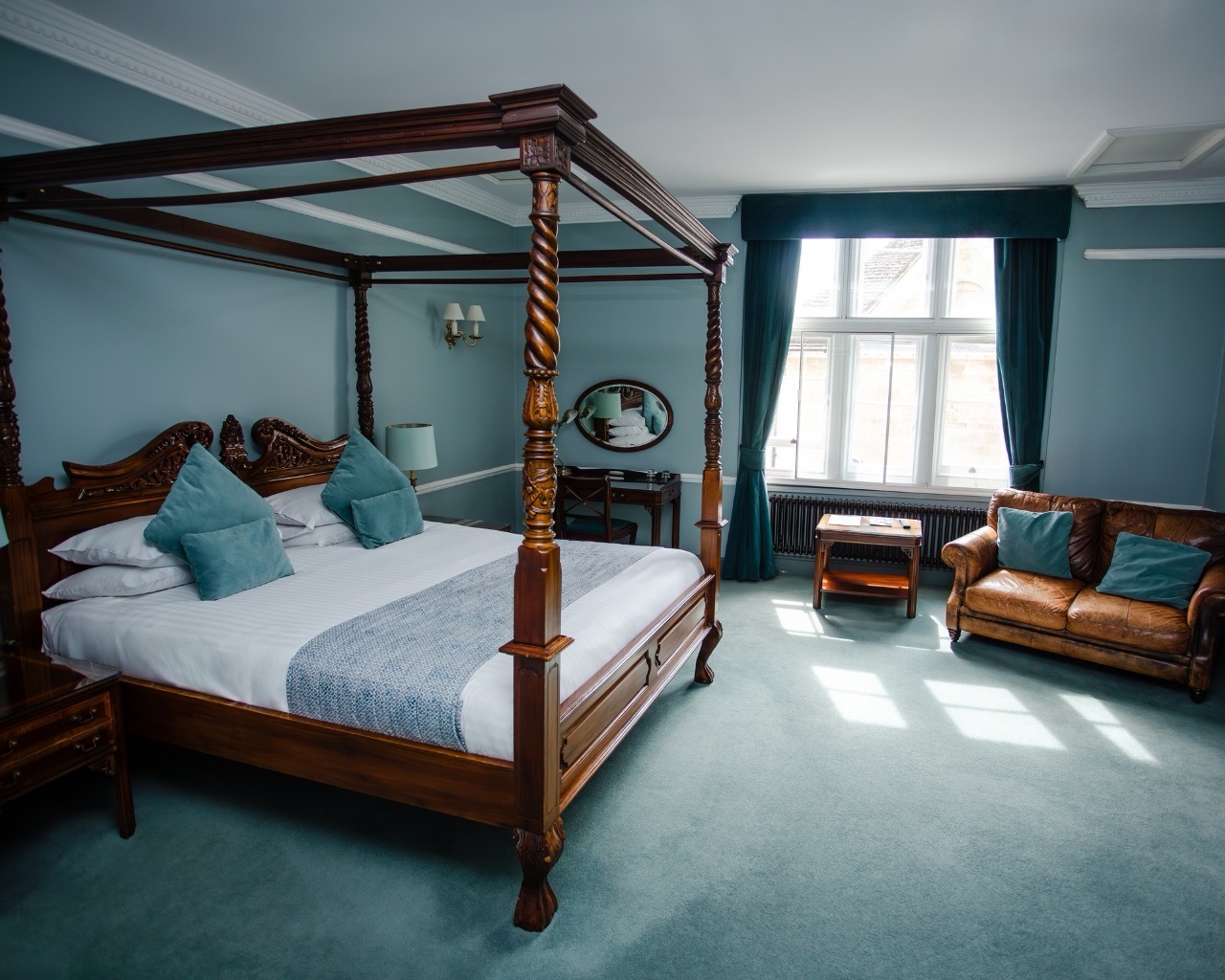
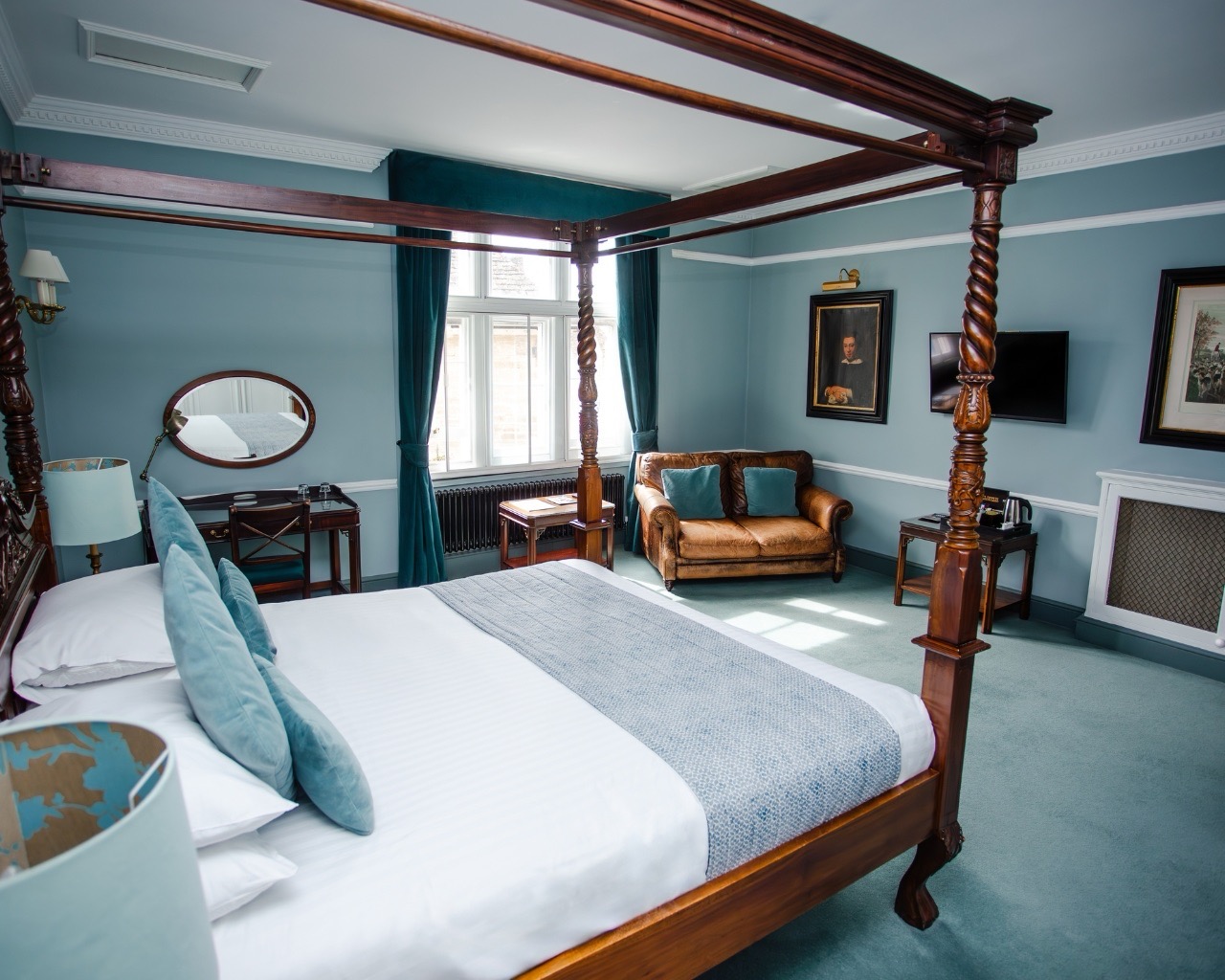
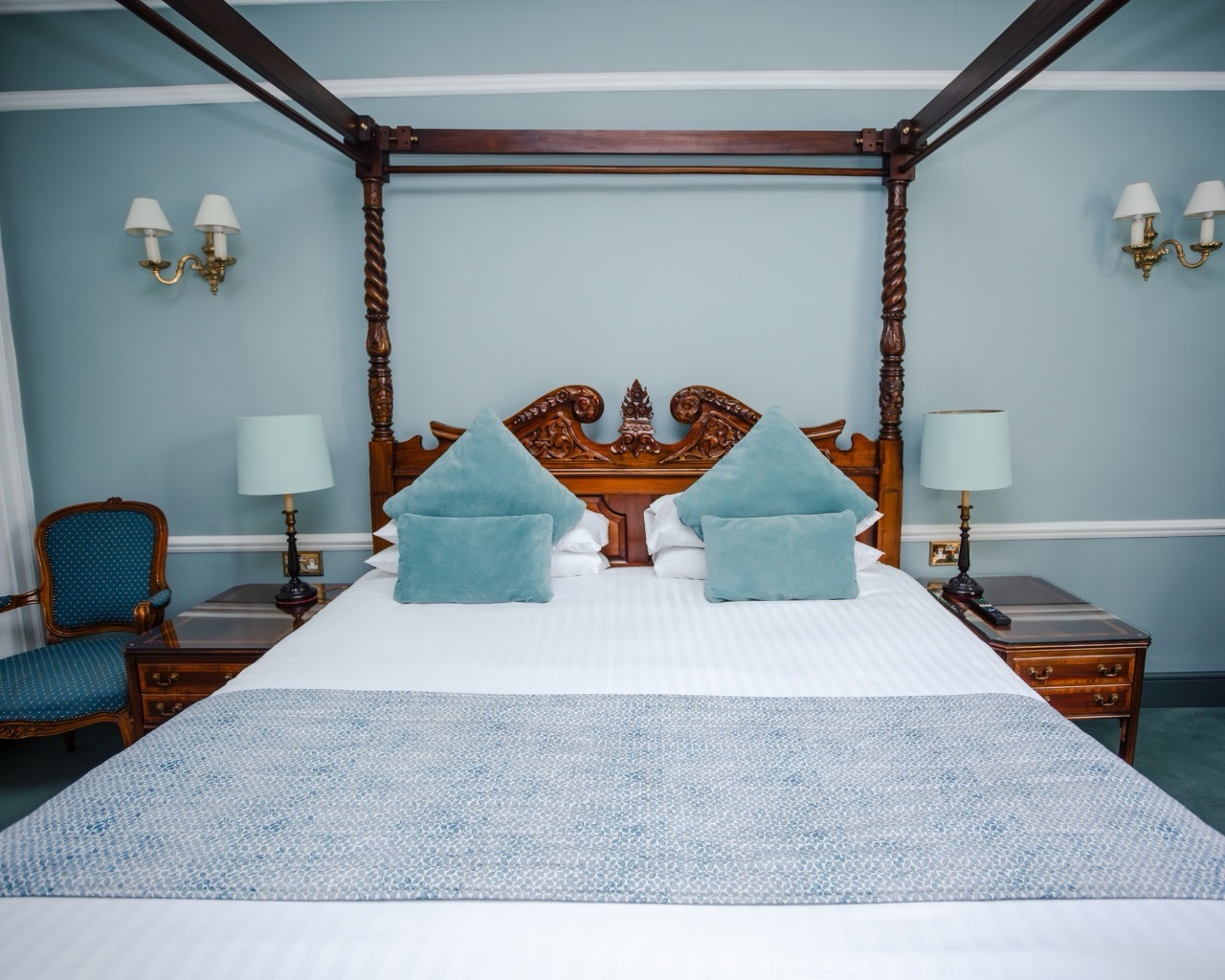
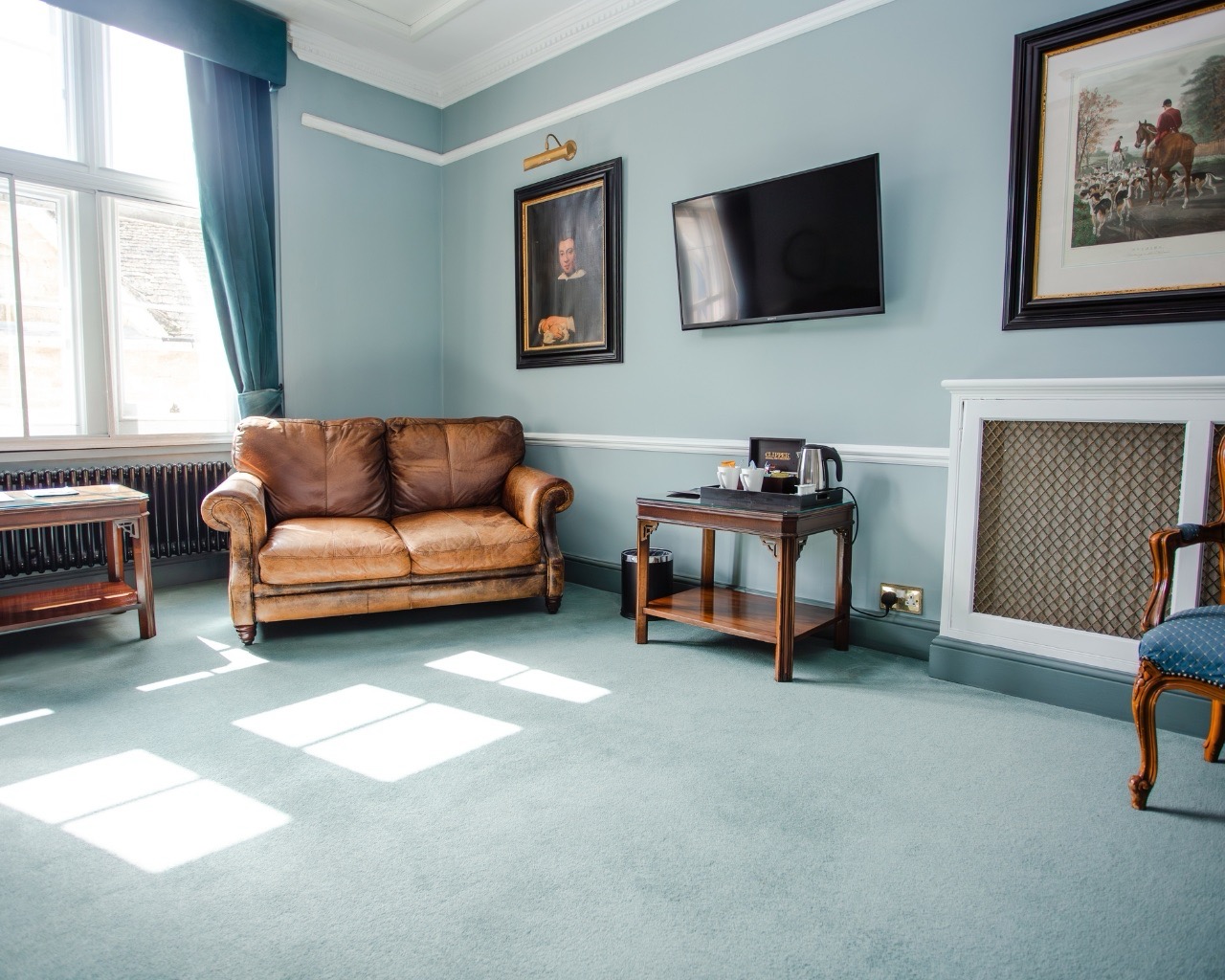
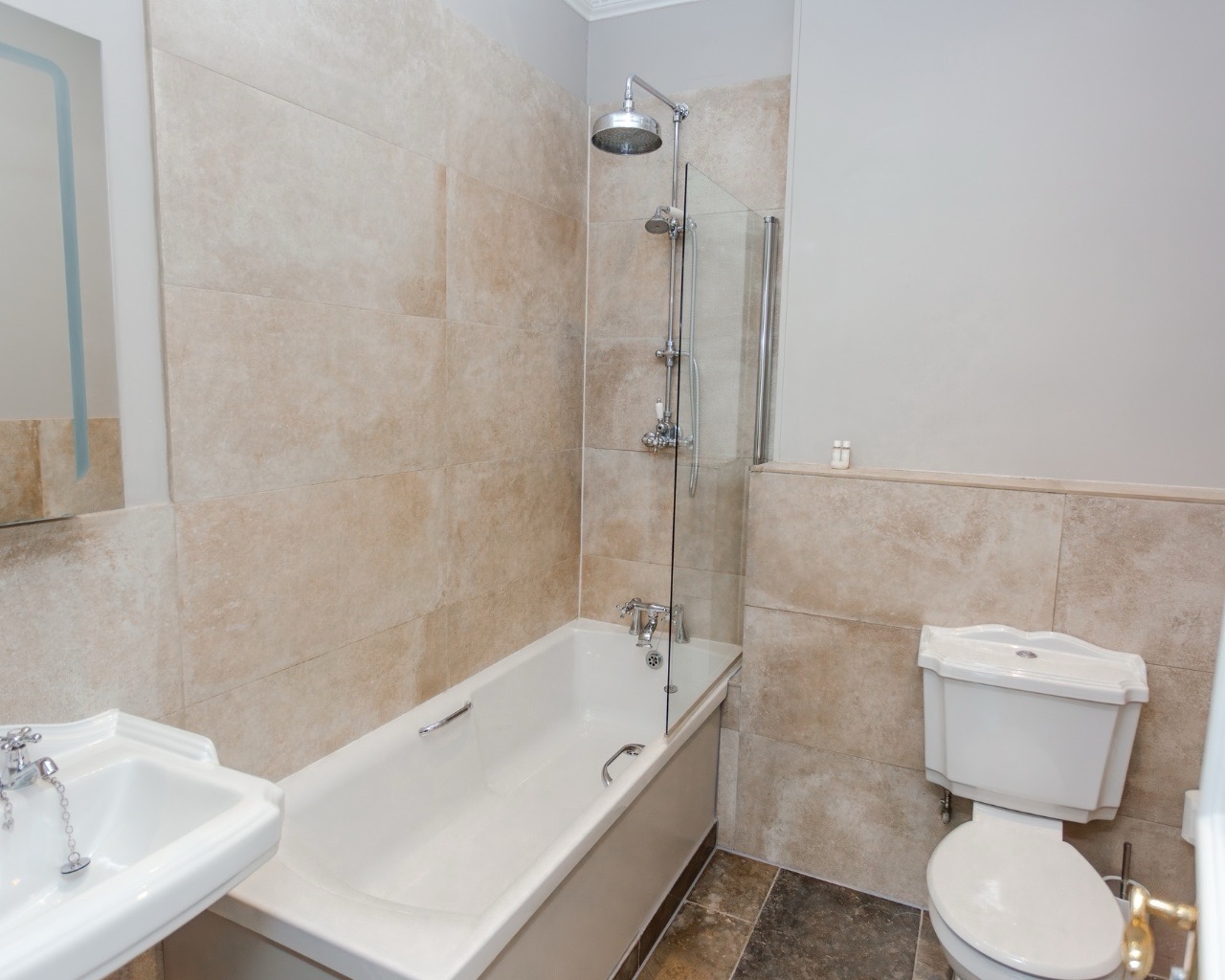
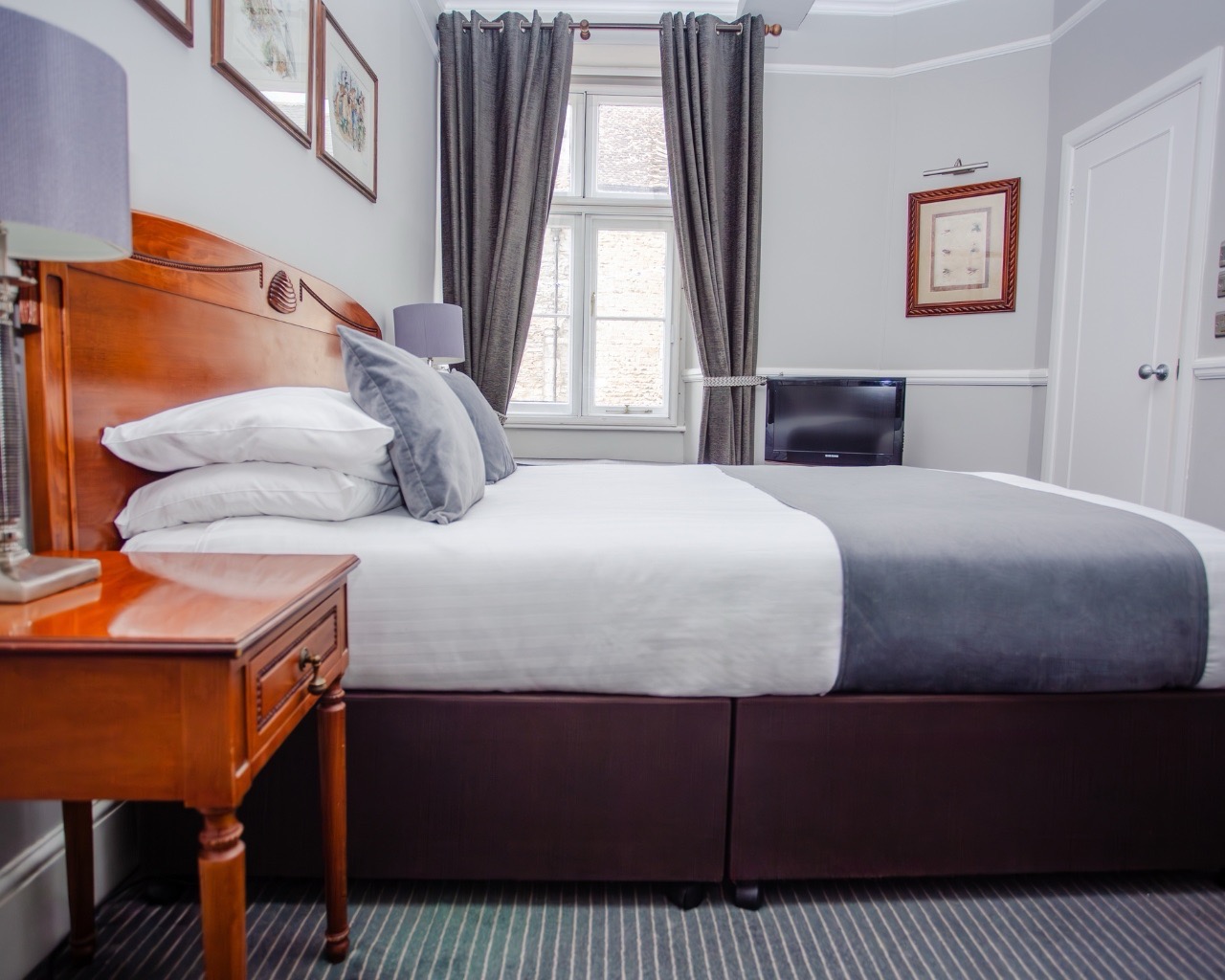
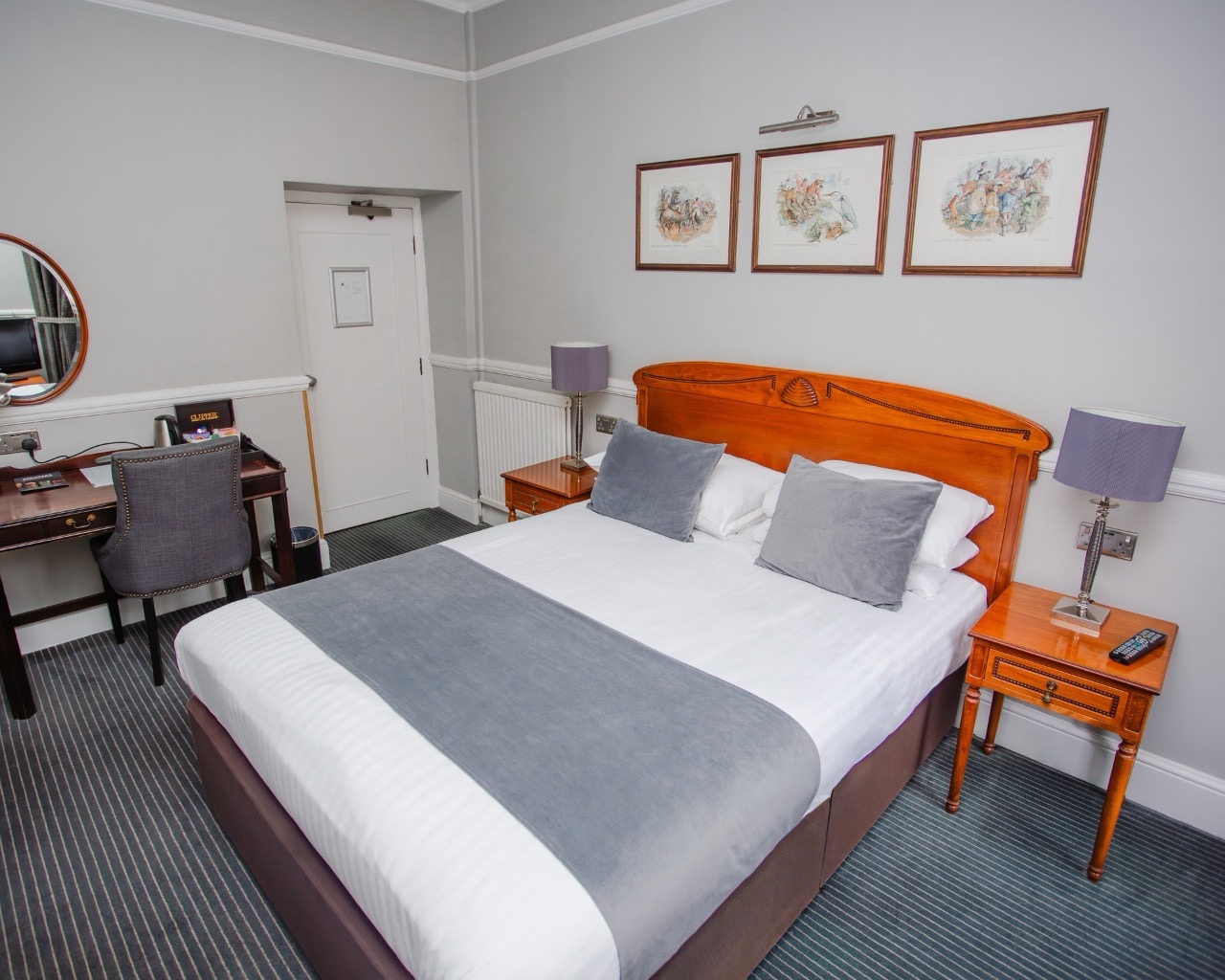
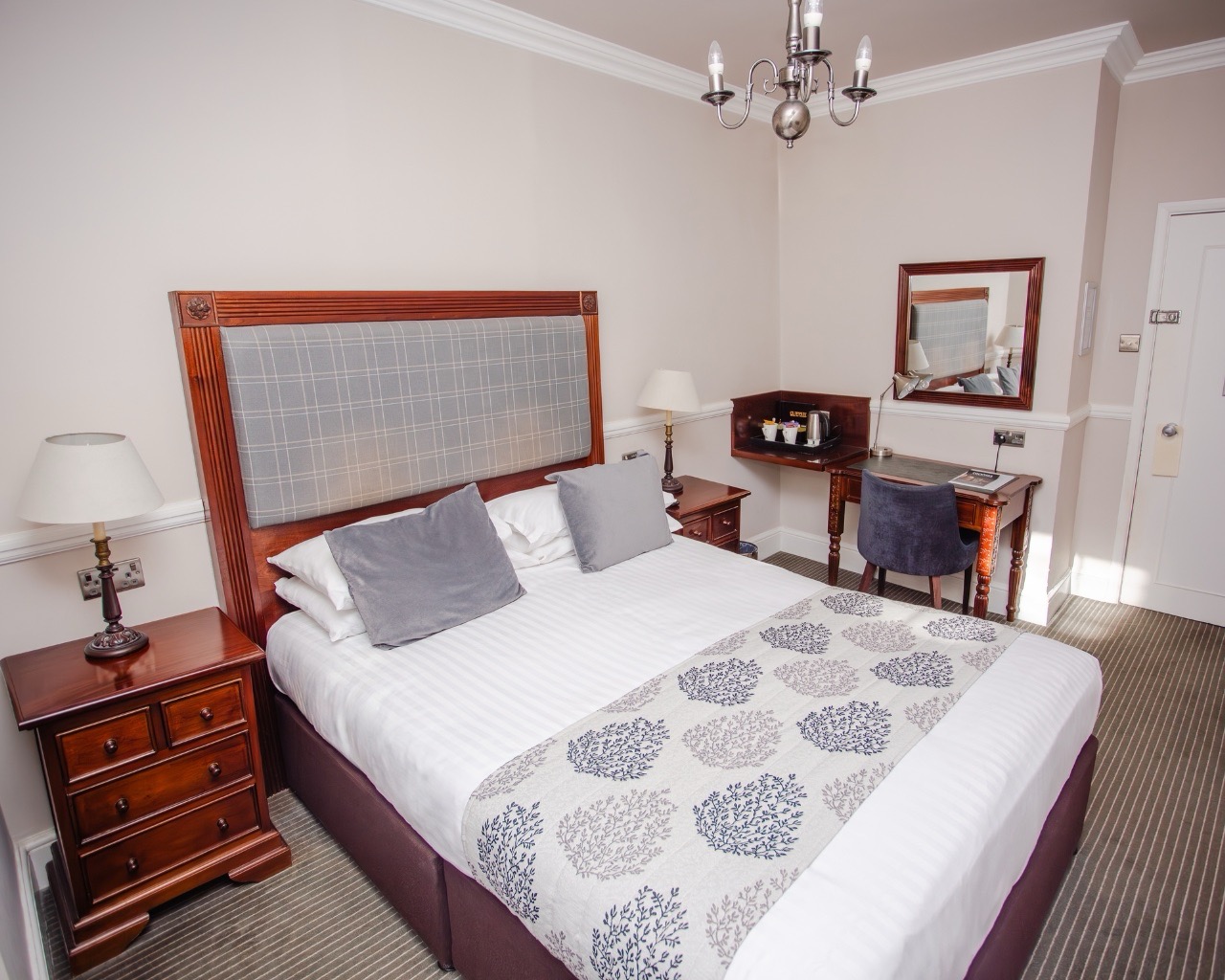
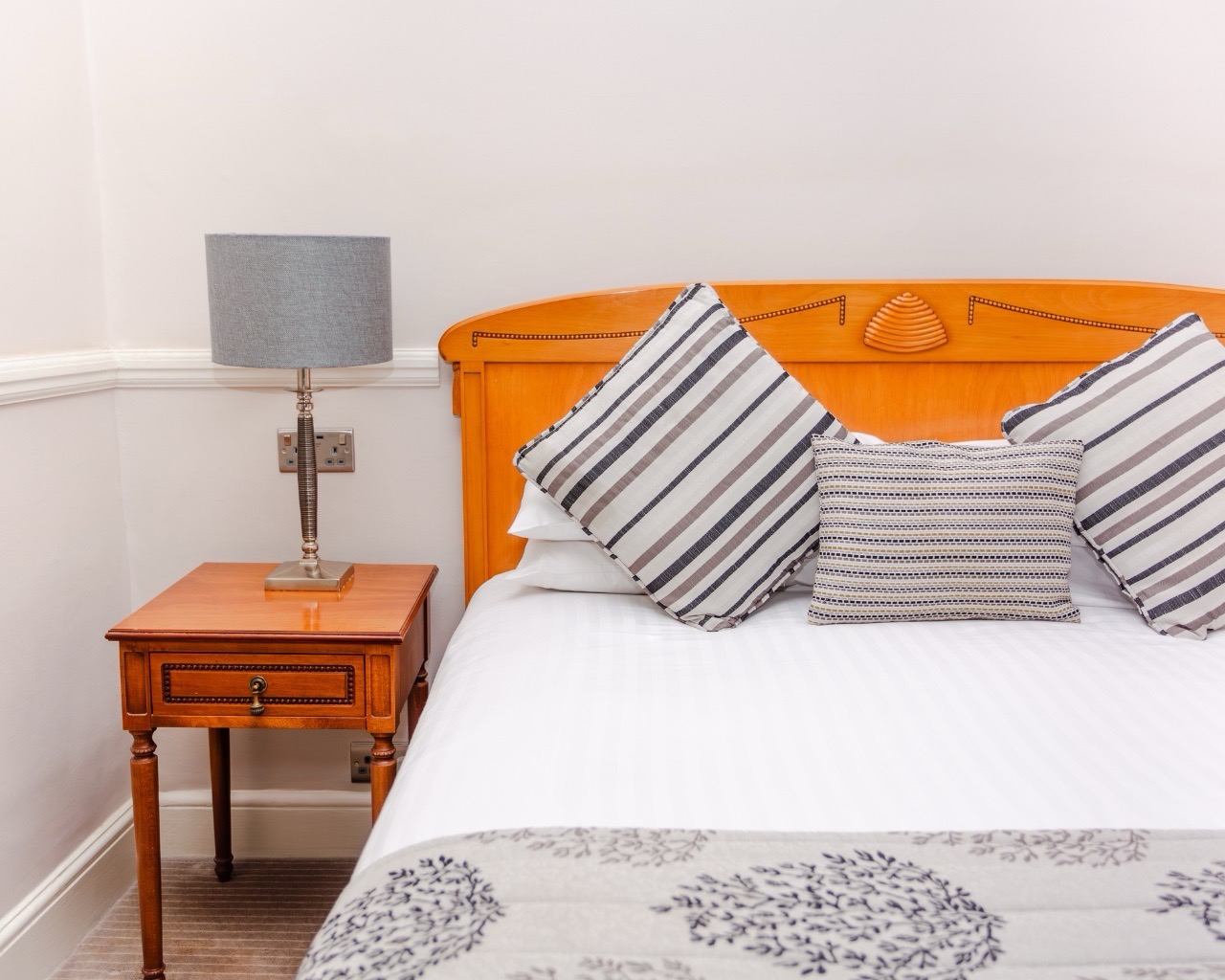
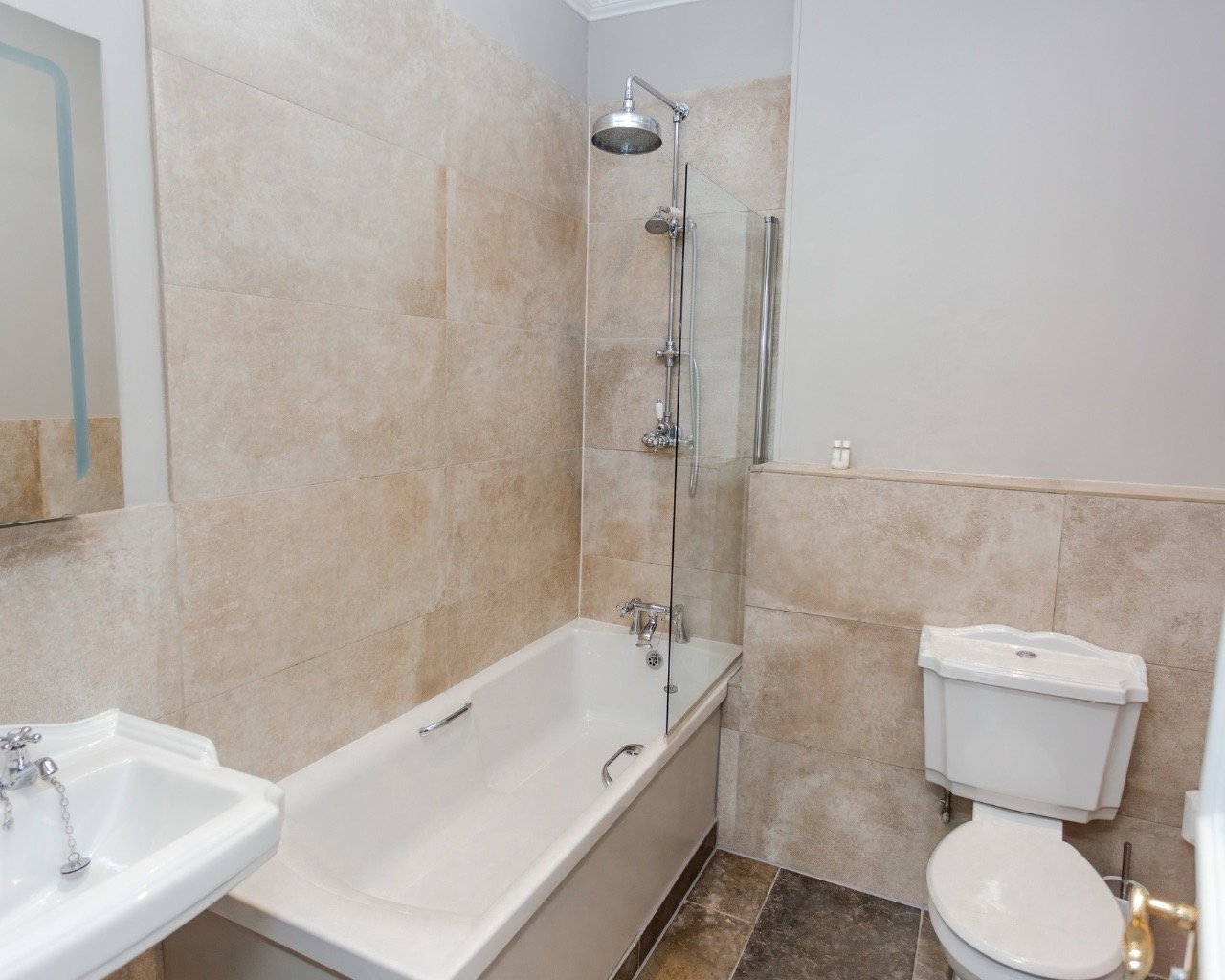
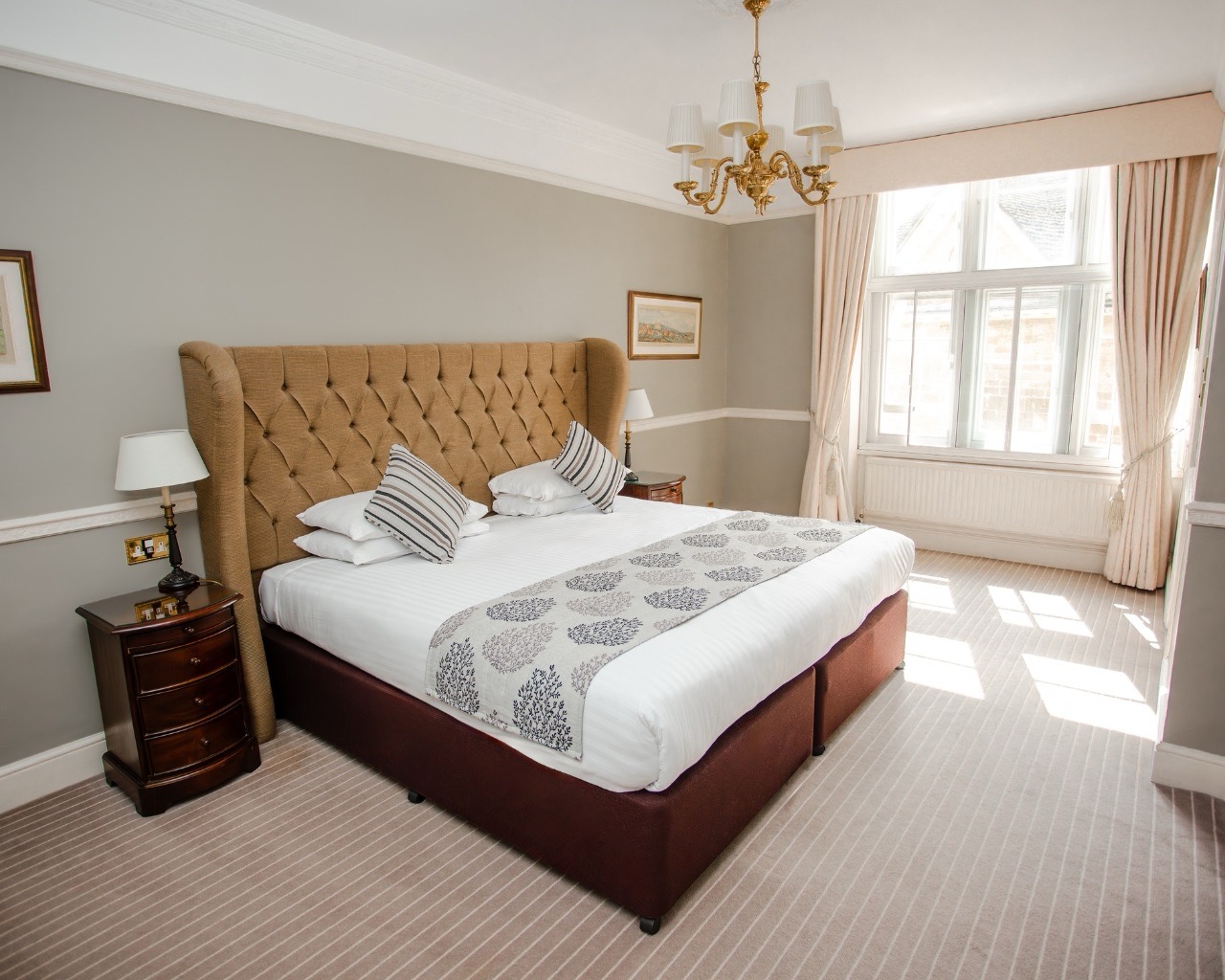
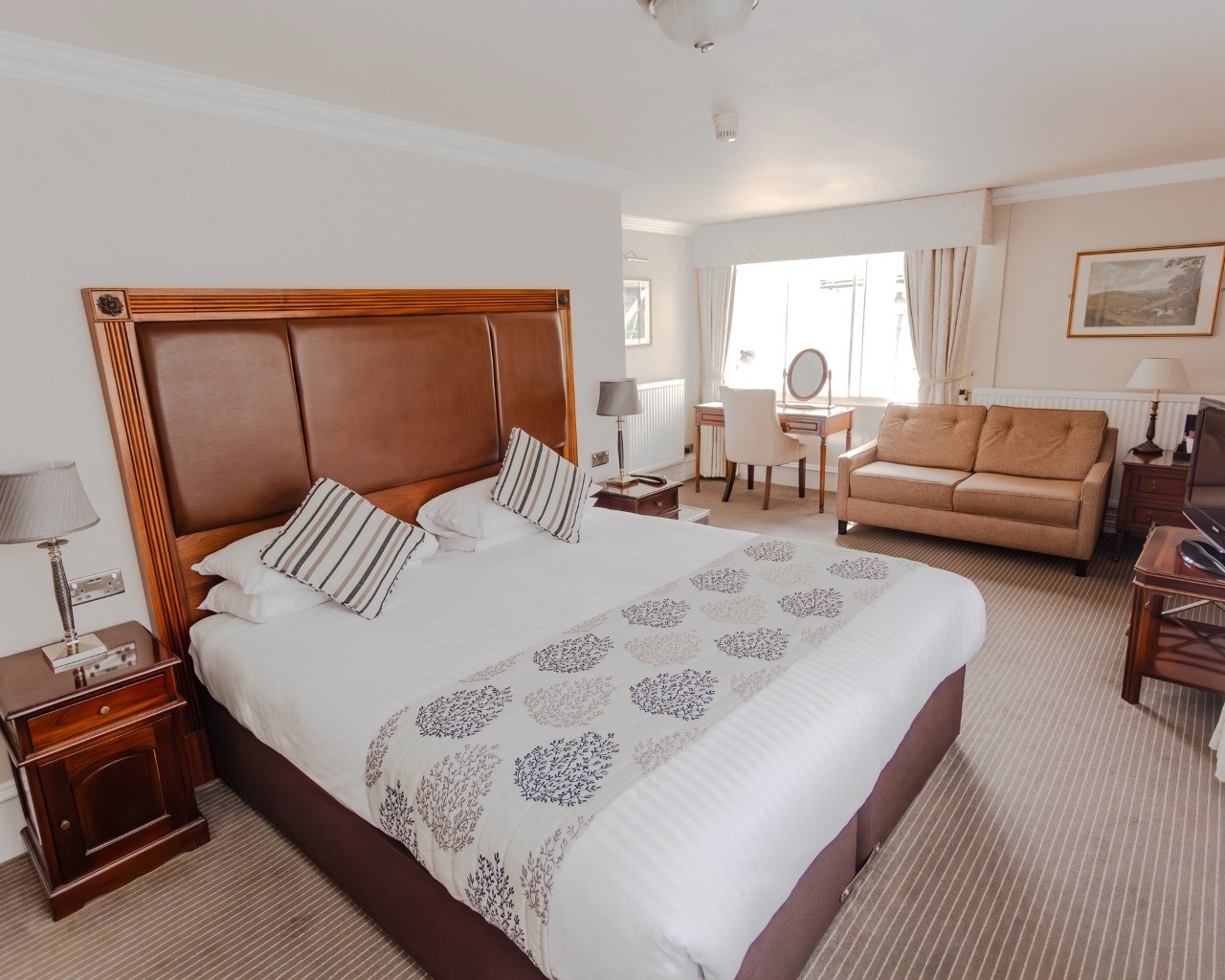
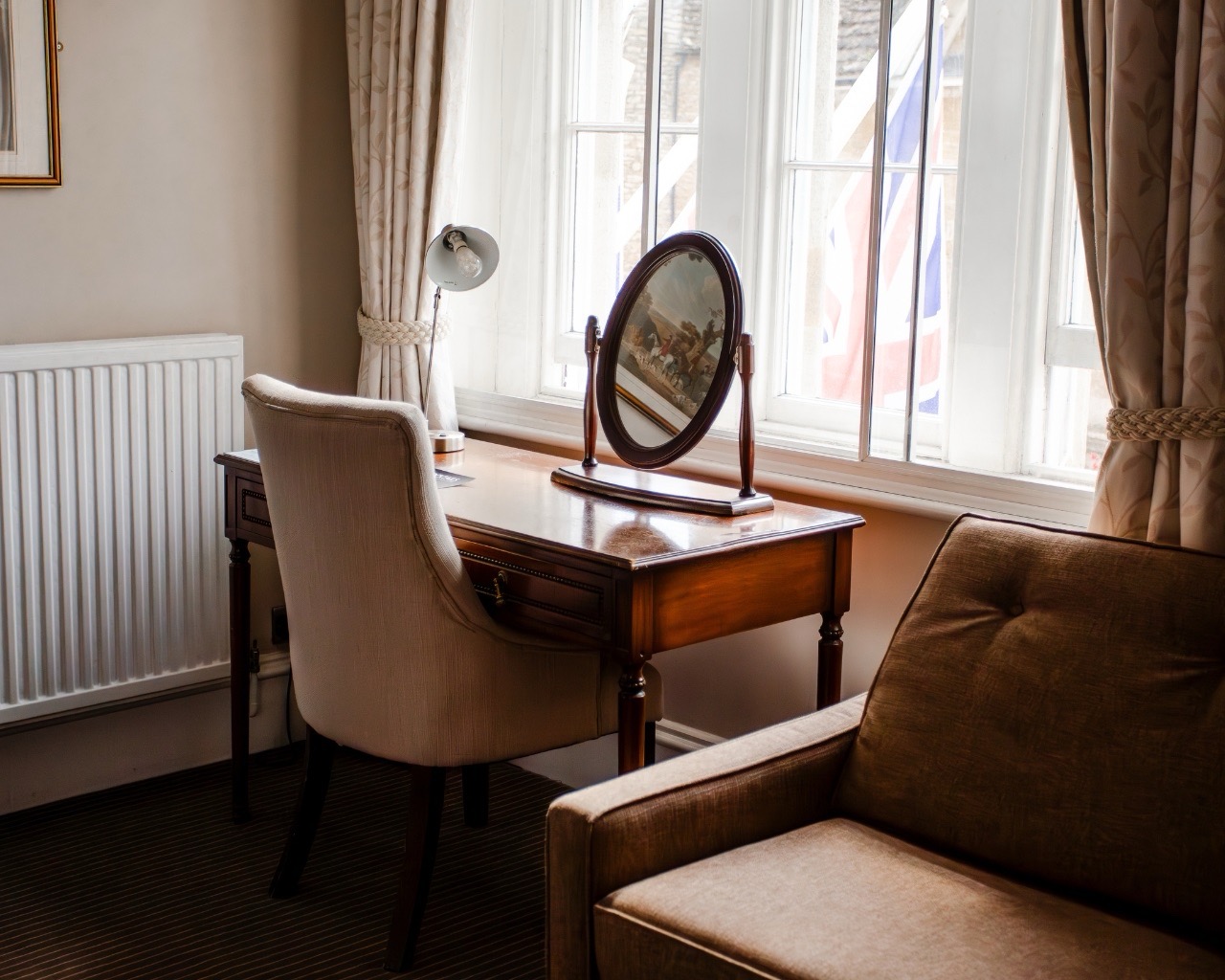
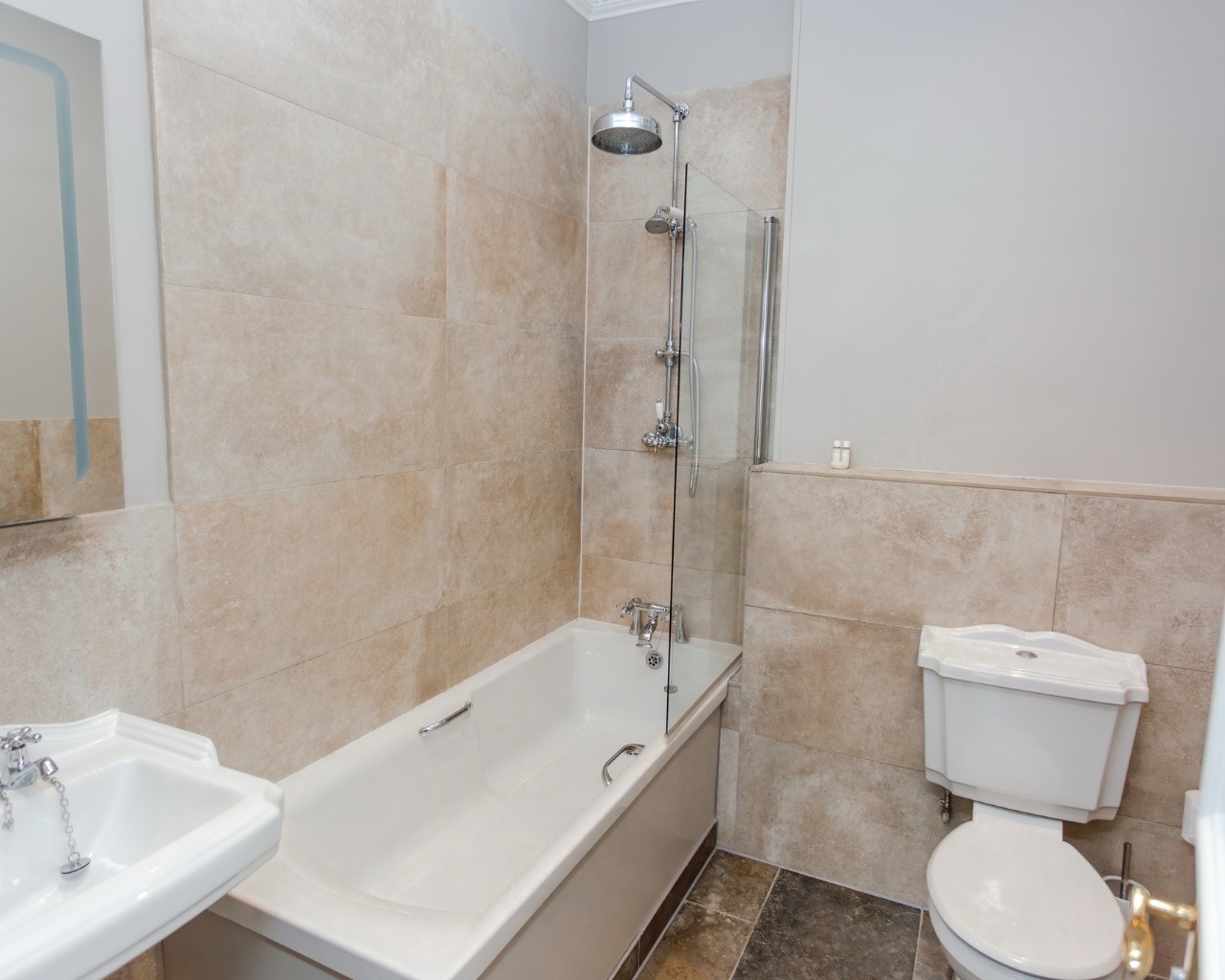
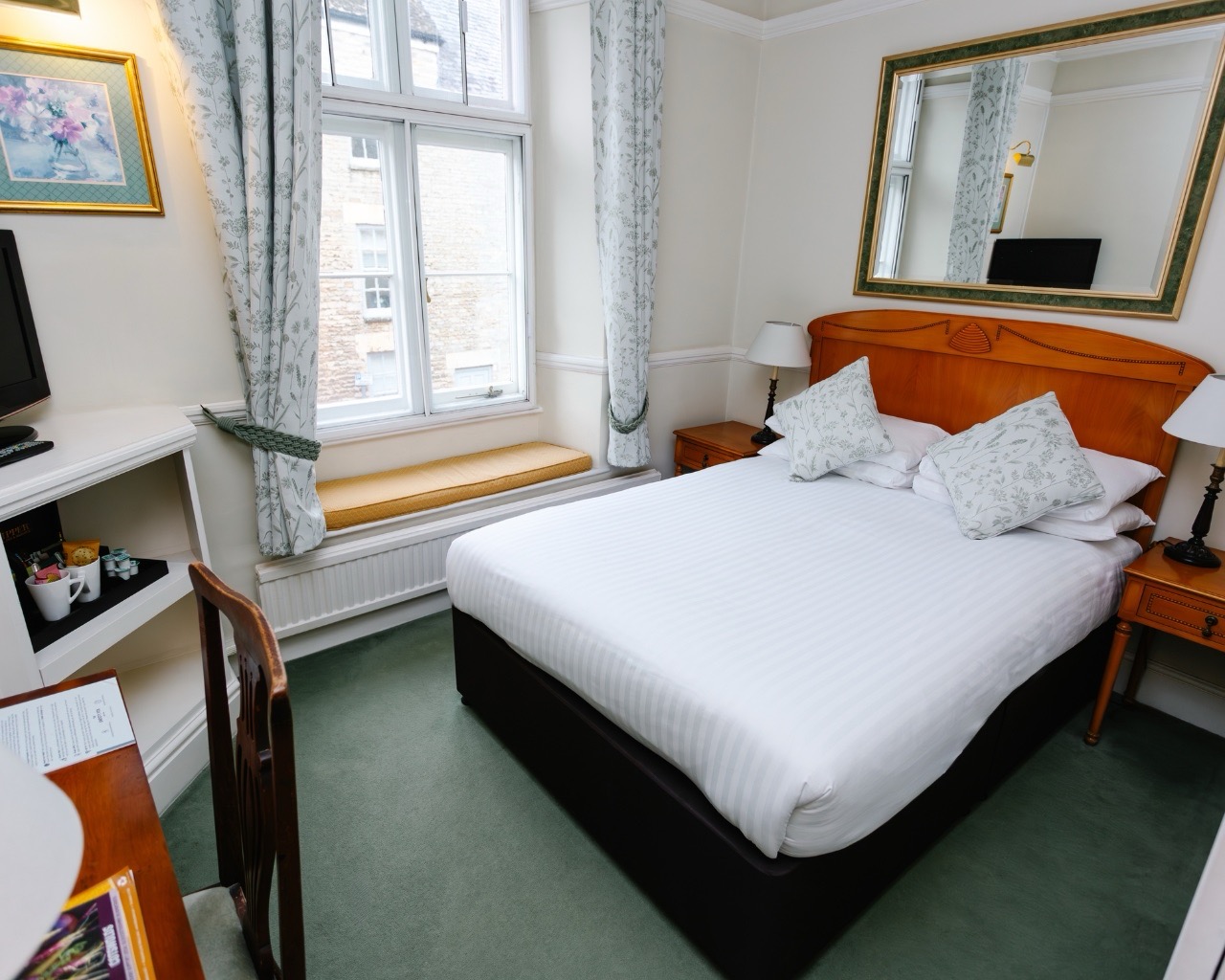
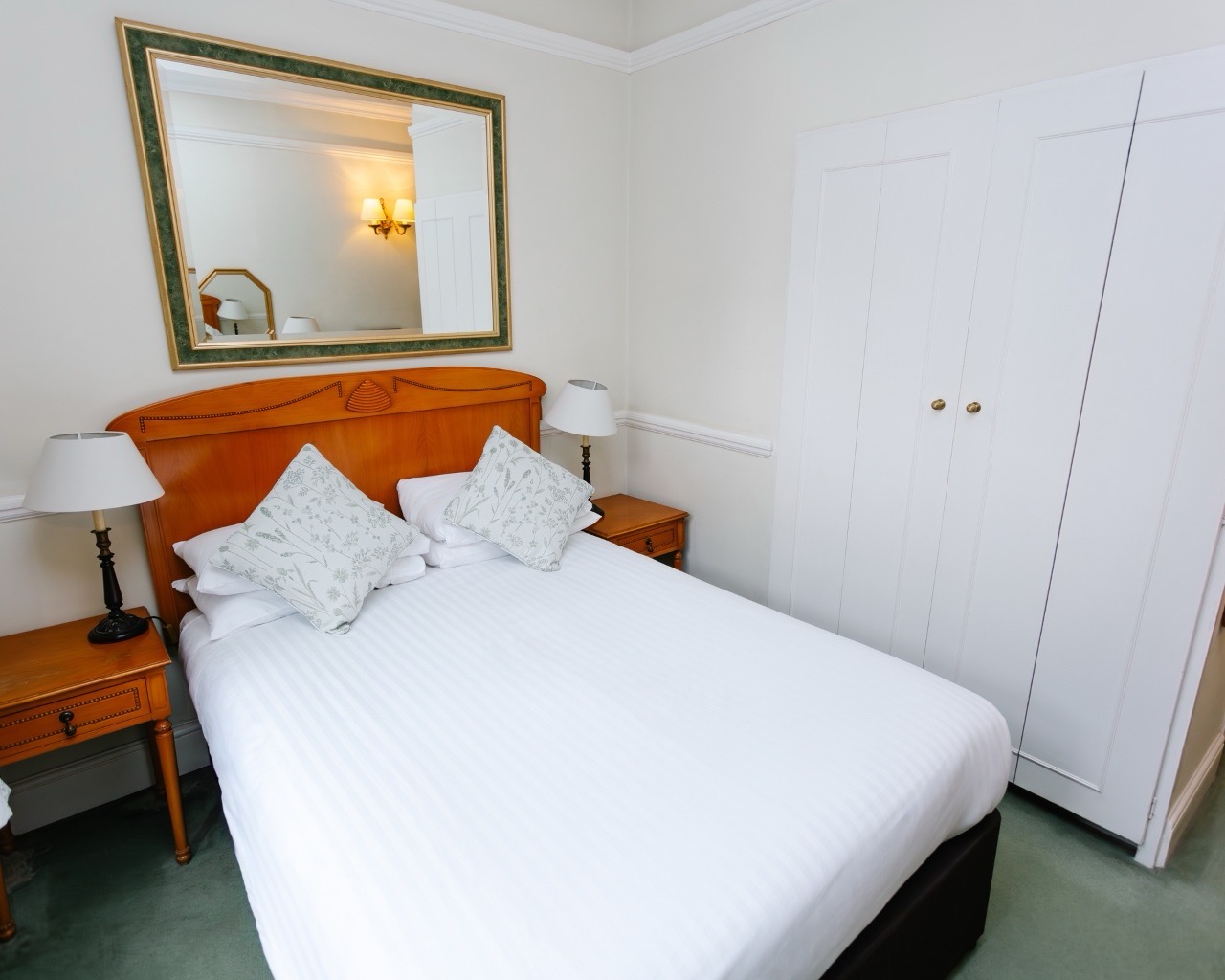
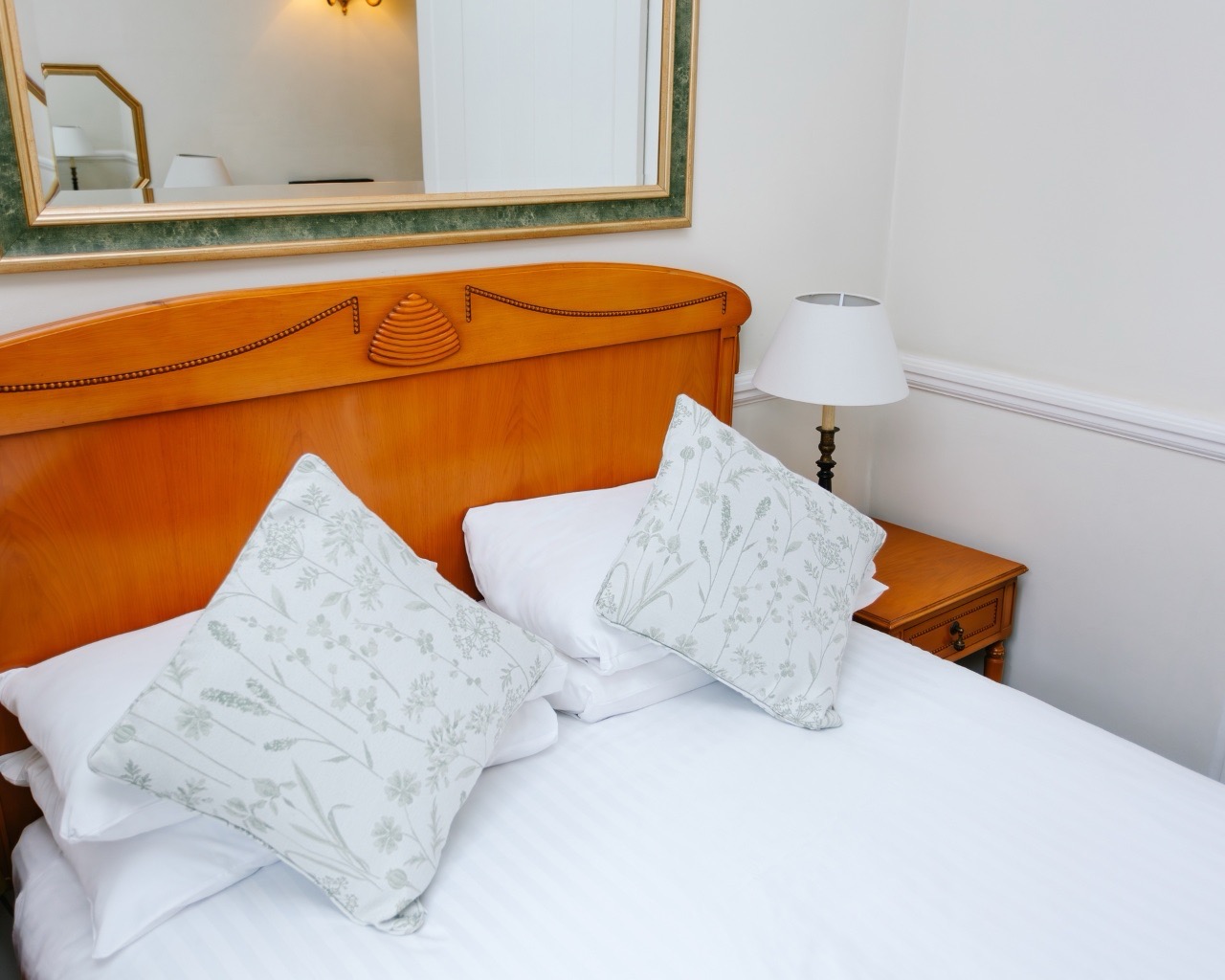
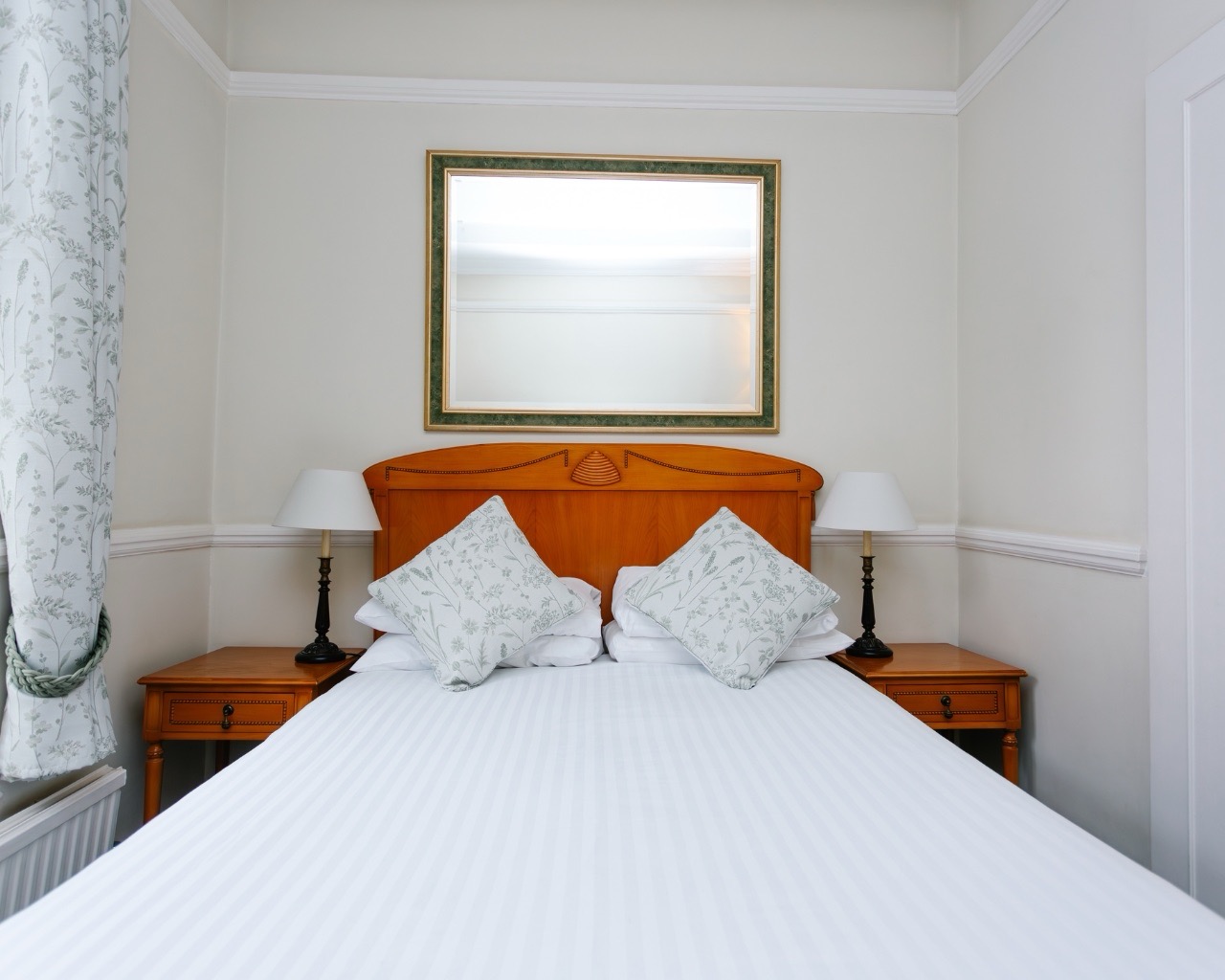
Accommodation is available in Four Poster, Superior and Standard Double Rooms. These room choices let you consider a place to stay alongside your celebration, whether you’re planning a smaller gathering or bringing guests together for a special occasion.
To discuss your reception plans and arrange Wedding Venue Hire, contact The Snooty Fox.
Your venue shapes more than the look of the day; it helps set its pace and how guests experience the celebration. As you choose between wedding venues, think about the feeling you want from the first gathering to the final farewell. The right fit is the one that works for your plans, not simply the one that makes the strongest first impression.
The Snooty Fox offers Wedding Venue Hire, alongside accommodation in Four Poster, Superior Double, Standard Double and Compact Double Rooms. You can plan your celebration and stay in one place.
Take the next step at your own pace. Contact The Snooty Fox to discuss your plans and explore whether its setting suits your celebration. A thoughtful choice can make the day feel unmistakably yours.
Often, but the venue’s terms determine which outside suppliers you can use. Some venues require you to use their catering team or approved suppliers, while others allow you to choose your own. Before booking, check the rules on supplier access, setup times, equipment and extra charges. For example, confirm whether your photographer can visit the space before the day.
Some venues include catering in a package, while others offer it separately or allow external caterers. This can shape the menu, service arrangements and timings. Ask for a written breakdown of food and drink options, service style and dietary arrangements; reviewing sample selections from destination eateries like Pine Lodge Steakhouse can help you decide what style of meal best suits your day. When comparing wedding venues, separate catering costs from room hire to see what each quote covers.
UK wedding venues include hotels, country houses, historic buildings, restaurants, gardens and marquees. Each creates a different atmosphere: a hotel may suit a structured celebration, while a garden or marquee can feel more informal. Some venues host ceremonies and receptions; others provide reception space only. Decide whether setting, catering, accommodation or flexibility matters most before narrowing your choices.
Inclusions vary by venue and booking, so the written quote and contract are the clearest guide. They may cover the event space, furniture, staff, catering or use of particular areas, but these items aren’t universal. Check whether setup and clearing are included and how changes to your plans are handled. Ask for optional extras to be itemised separately before agreeing.
Compare each option using the same details: guest numbers for each part of the day, room layout, atmosphere, catering format and supplier flexibility. A seated meal needs a different arrangement from a reception with dancing. Note whether menus are fixed or adaptable and whether food is provided in-house. Comparing wedding venues this way helps you judge practical fit as well as appearance.
The venue must meet the relevant approval requirements. Approved premises for civil weddings include buildings and linked outdoor areas, but requirements differ across England, Scotland, Wales and Northern Ireland. Confirm which spaces are approved for your ceremony.